Pin Dot And Coin Dot
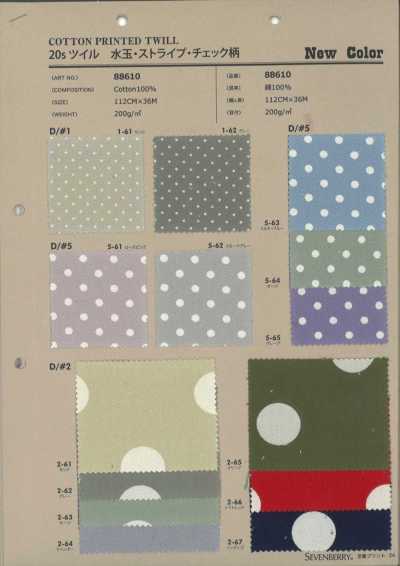
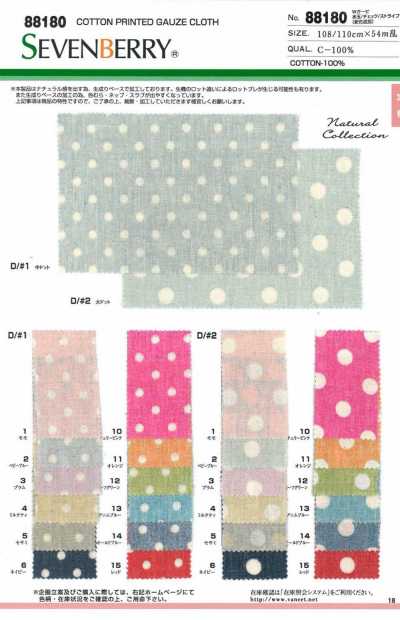
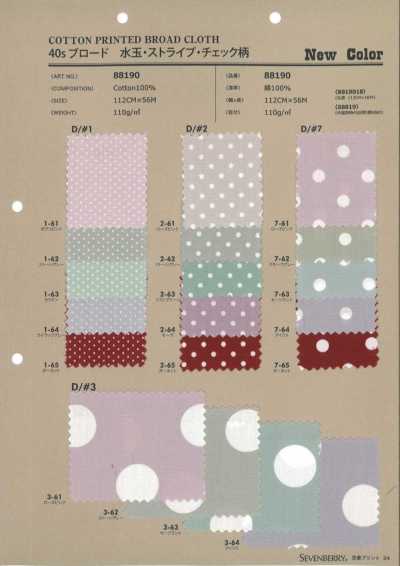
Pin dot and coin dot are terms for dot patterns in which round dots are arranged at regular intervals against the ground color, referring to very small dots about the size of a pinhead and larger dots that resemble coins.
Contents5 sections
Definition and Overview
Pin dot and coin dot are ways of distinguishing dot patterns in which round dots are arranged at regular intervals. Pin dot uses very small dots that bring a pinhead to mind, while coin dot uses relatively large dots that resemble coins. Both are names based on the size of the dots, and they are not terms that indicate weave structure or fiber type.
The dots may be expressed by printing, or as woven patterns created with yarn dyed designs or through structures such as dobby and Jacquard. Even when the name is the same, the dot diameter, spacing, arrangement, and sheen vary by fabric, so confirm the appearance with the actual item or a swatch.
How the Pattern Is Formed and How It Is Named
Pin dot often looks close to solid from a distance, and the subtle texture becomes clear when viewed up close, so it is treated as a restrained pattern. Coin dot has a stronger presence and gives a lighter, more decorative impression. However, there is no unified standard for the dot size used to distinguish the two, and there is some flexibility in how the names are used in planning and distribution.
When something is simply labeled dot, the dot size is not specified. Also, pinhead may refer to a woven pattern that appears as tiny dots, and this can differ from pin dot, which places round dots in print or other formats, in how the pattern is made and how it looks.
- Pin dot: a pattern with tiny dots arranged neatly, easy to use as a solid-like design.
- Coin dot: a pattern with larger round dots, giving the pattern a stronger presence.
- Dot: a general term for dot patterns without specifying dot size.
Main Applications and Seasons
Pin dot is used for shirts, blouses, neckties, suspenders, lining, and formal fabrics. It makes it easy to create a difference from solid while keeping the look subdued, and it suits everything from business wear to occasion wear.
Coin dot is used for blouses, dresses, skirts, children's clothing, and bag accessories. The look of the pattern is also affected by the fabric's sheerness, thickness, and color combination. On lightweight fabric it tends to create a light spring and summer feel, while on silk or brushed materials it can also be used for autumn and winter or formal wear.
Notes for Fabric Selection and Cutting
With small pin dots, differences in pattern matching may be less noticeable, but misalignment in the button placket, collar, pocket, or facing can stand out. Because coin dot uses larger dots, confirm that the pattern continues naturally across the left and right body pieces, side seams, and pocket placement.
For fabric with a directional arrangement, light and dark contrast, or differences in sheen, cut with the grain and pattern direction aligned. Check the repeat and pattern placement in advance, and allow for the extra fabric needed when symmetry or pattern matching is required. Before cutting, spread out the fabric and check for missing dots, printing misalignment, and differences between the face and back.
Frequently Asked Questions
What is the difference between pin dot and polka dot?
Polka dot is a general term for patterns using round dots. Pin dot refers to those patterns in which very small dots, like pinheads, are arranged regularly. From a distance it tends to look more like a solid, and it gives a more subdued impression than a typical polka dot pattern.
How much larger is coin dot than pin dot?
Coin dot is a name for patterns that use larger round dots than pin dot, but there is no fixed numerical standard for the dot diameter. Because the name varies by product and planning, it is important to check the pattern size, dot spacing, and repeat on a swatch or specification sheet.
Do dot patterns require extra yardage?
When matching dot placement across the left and right body pieces, collar, button placket, or pockets, more yardage may be needed than for a solid fabric. In particular, larger patterns such as coin dot make misalignment more visible, so check the pattern repeat and plan the cutting layout accordingly.