Prince Of Wales Check
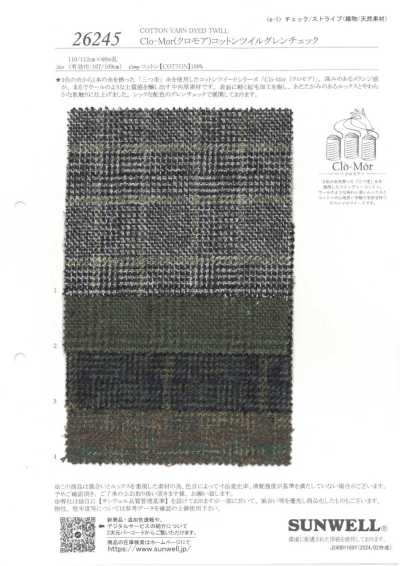
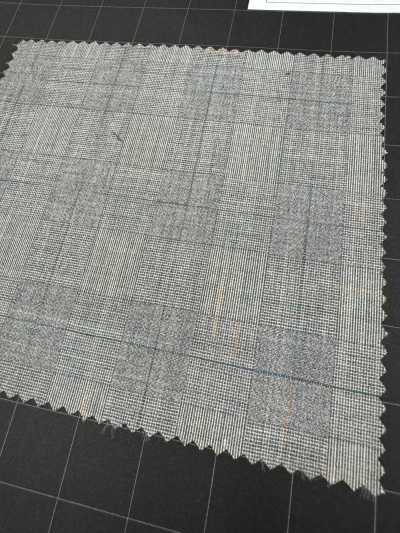
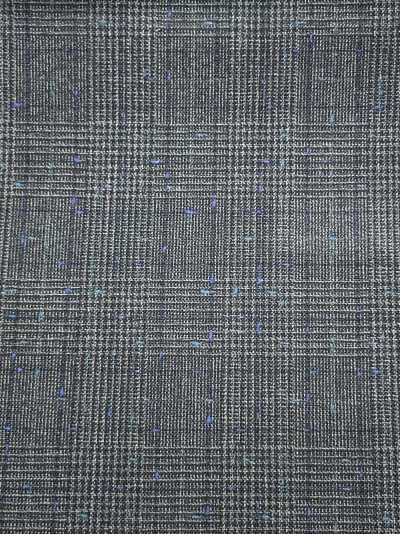
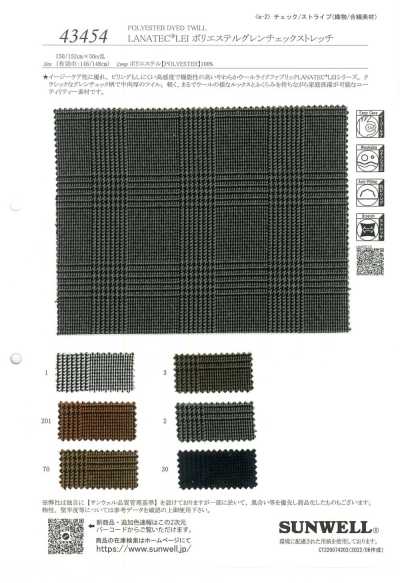
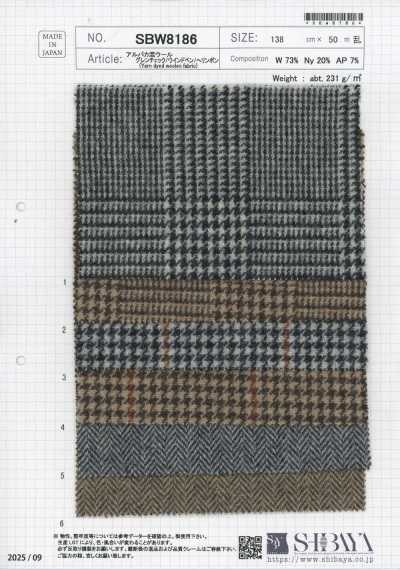
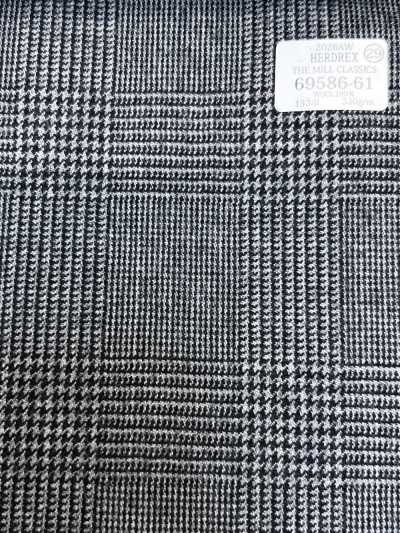
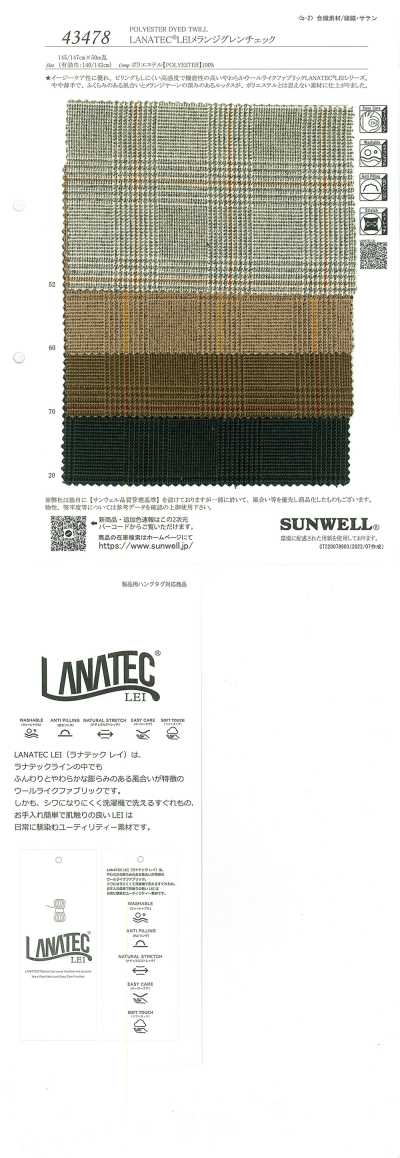
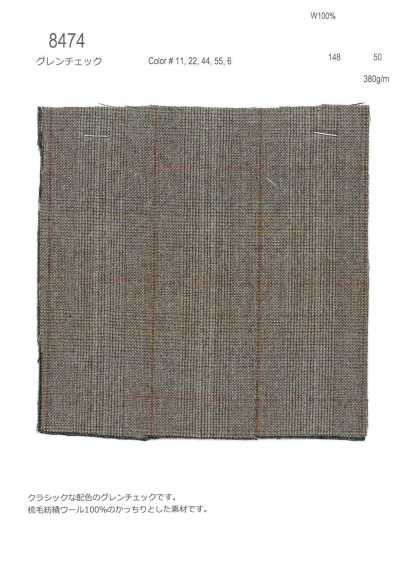
Prince of Wales check is a check pattern often used in suiting, with larger checks of different colors and line widths over a base of small checks.
Contents5 sections
Definition and Overview
Prince of Wales check is a pattern that layers large checks like a windowpane over a ground pattern made by combining small checks such as houndstooth. It is characterized by depth created by multiple colors and line widths, appearing understated from a distance while showing a complex look up close.
It is generally woven with yarn dyed yarns, and it is not the name of the weave structure itself. Depending on the material, yarn thickness, structure, and color arrangement, the outline of the pattern, seasonal feel, and overall appearance can vary greatly, whether in plain weave or twill weave.
Name and Pattern Origins
The name is said to come from the check pattern worn by the Prince of Wales of the British royal family. In suiting fabrics, it is called Prince of Wales check depending on the structure of the fine checks and whether an overcheck is layered on top.
It is closely related to Glen check, but there is a wide range in how the two are used. In some cases, Glen check is used as a broad general term, and the version with a noticeable overcheck on top is treated as this pattern, while in sales and planning settings the two are sometimes handled as nearly synonymous.
- Fine checks such as houndstooth form the base.
- The structure with large check lines layered over it is called an overcheck.
- The greater the color contrast between the ground pattern and the overcheck, the clearer the pattern appears.
Main Applications and Seasonal Feel
It is often used for items with tailored elements such as jackets, suits, vests, slacks, skirts, and dresses. In wool worsted fabrics, it gives a neat impression, while in tweed or flannel it creates a warm, casual look.
Although it is often associated with thick fabrics for fall and winter, it can also be used for spring and summer or year-round collections when expressed in lightweight wool, cotton, or polyester blends. Seasonal suitability should not be judged by the pattern name alone; check the fabric weight, thickness, breathability, and whether it is brushed.
Fabric Selection and Cutting Notes
When selecting fabric, check the size of one repeat of the check, the color combination of the ground pattern and overcheck, and the contrast of the pattern. Large checks can make the design stand out, but in designs with many small parts or curves, the pattern may be interrupted and not appear as intended.
In cutting, matching the pattern so that the check positions align on the left and right front panels, collar, pockets, sleeves, and so on is important. Specify in advance in the specification sheet and pattern which line will be used as the reference for alignment, such as the center front, bust line, or pocket opening, and check how the pattern appears within the roll before cutting.
Because parts are placed across one repeat of the pattern, more yardage may be needed than for a solid fabric. Even if the pattern appears to have no up or down direction, directionality may arise from the color arrangement, weave texture, or brushed direction, so whether fusing can be laid out freely should be judged from the actual material.
- Check the height and position of the check lines on the left and right front panels and the collar.
- Decide whether flap pockets and patch pockets will continue the body pattern or be intentionally offset.
- Check the position of prominent check lines on the front and back of the sleeves, and on the left and right sides as well.
- When estimating yardage, allow extra for pattern matching.
Frequently Asked Questions
What is the difference between Prince of Wales check and Glen check?
Glen check is the name for a pattern made up of fine checks, while Prince of Wales check may refer to a version with larger checks of different colors and widths layered on top. However, in distribution and planning, the two are sometimes treated as synonymous, so it is important to check the actual pattern and specifications.
Does Prince of Wales check require pattern matching?
In jackets and suits, it is standard to match the check positions on the left and right front panels, collar, pockets, and sleeves. In particular, misalignment in the overcheck lines is easy to notice, so the reference lines should be clearly defined. Depending on the size and design of the pattern, more yardage than for a solid fabric may be needed.