PVC
Vinyl chloride is a synthetic material made with vinyl chloride resin, used as a standalone sheet or film, or coated or laminated onto fabric to provide water resistance and a distinctive gloss.
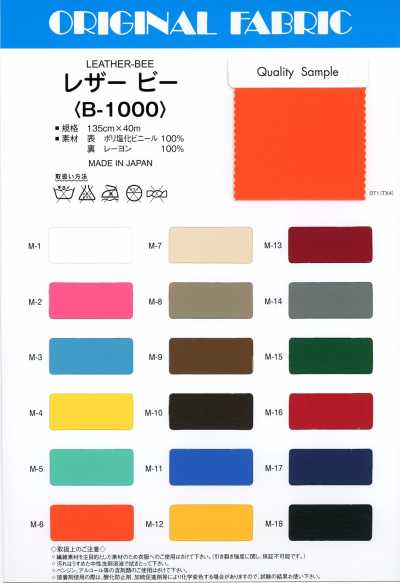
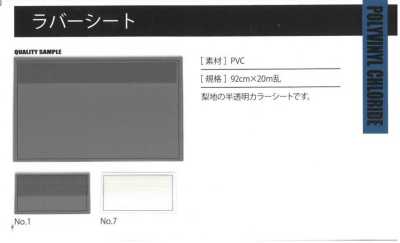
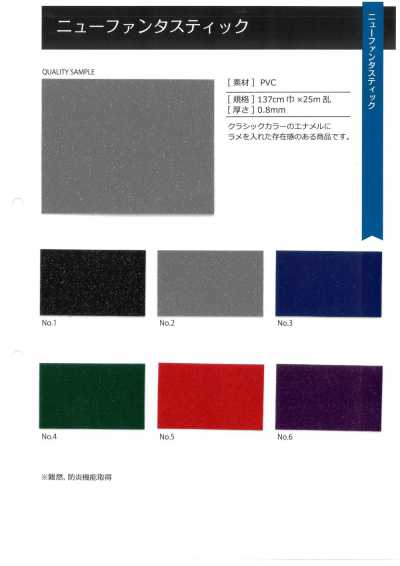
Contents6 sections
Definition and Overview
Vinyl chloride is a thermoplastic resin also known as polyvinyl chloride. In the apparel field, it is used in various forms, such as transparent or colored sheets, films, leather-like materials, and coated fabrics with resin applied to a base fabric.
PVC as a fabric often refers not to the yarn itself, but to a material in which PVC is coated or laminated onto a base fabric such as woven fabric, knit fabric, or nonwoven fabric. Depending on the base fabric and processing method, thickness, firmness, stretch, and surface feel vary greatly.
Characteristics and Appearance
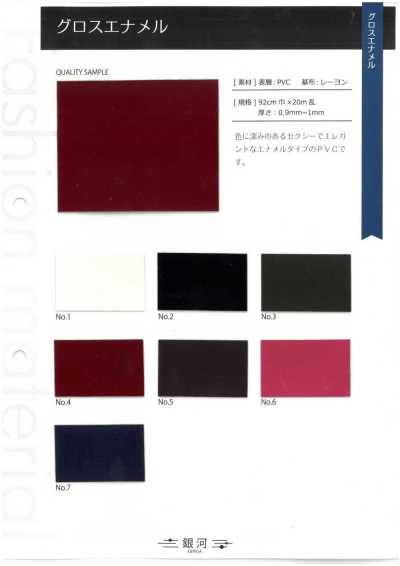
The surface is smooth and can express a range of looks, such as a strong enamel-like gloss, a matte texture, transparency, and an embossed grain effect. It is generally water-resistant and easy to wipe clean, but it tends to trap heat and is not a material to rely on for breathability.
Flexibility varies depending on the formulation of plasticizers and other additives, the thickness, and the base fabric. Thin film-like materials are prone to visible crease marks, while thicker materials provide firmness and shape retention; however, their stiffness may place stress on bent sections and seams.
- There is a wide range of surface designs, including gloss, matte, transparent, and embossed finishes.
- It is water-resistant and used for outer fabrics intended to block rain and dirt.
- It has low absorbency and breathability, so comfort should be checked for items that touch the skin directly.
- In low temperatures, it may become hard or show whitening at folded sections.
Main Applications
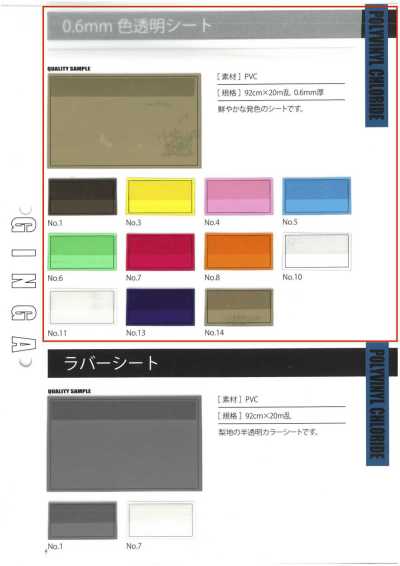
PVC materials are used for rainwear, bags, accessories, belts, pouches, stage costumes, and skirts and outerwear that emphasize decorative appeal. Transparent types are also used for design details such as pockets and panel inserts.
Thicker materials with PVC applied to fabric are suitable for bags, cases, and accessories used outdoors. In garments, they may be used for autumn and winter outerwear or fashion-focused items, but the placement is chosen with consideration for comfort, noise, and stiffness during wear.
Selection and Handling Notes
When selecting, check not only the PVC layer but also the type of base fabric, thickness, stretch, surface scratch resistance, cold resistance, and the appearance after sewing. For transparent products, yellowing and cloudiness should be anticipated, and for dark colors, color transfer from friction should also be considered; testing with the actual combination is important.
Suitability for washing or dry cleaning depends on the plasticizer formulation, base fabric, and the adhesive or lamination structure. High-temperature washing, drying, or ironing may cause deformation, hardening, surface stickiness, or delamination, so always check the care instructions and specifications for each material.
For storage, avoid high heat and humidity, direct sunlight, and strong pressure. If left in long-term contact with other materials, color transfer or sticking to the surface may occur. Rather than folding, consider in advance whether it can be stored in a low-stress condition.
Differences from Similar Sewing Terms
PVC tends to leave needle holes, and resewn areas may stand out. Adjust the presser foot, feed, needle, and stitch length to match the material’s slip and firmness, and perform sewing tests on offcuts. Excessive use of pins can leave marks, so check whether clips can be used instead.
Synthetic leather is a general term for materials in which a resin layer is placed on a fiber base material to create a leather-like appearance and texture. PVC may be used as that surface resin. On the other hand, tarpaulin generally refers to a sheet-like material made by applying resin to a fiber base fabric with strength and weather resistance in mind.
Frequently Asked Questions
Can PVC materials be washed at home?
Because washability depends on the construction of the PVC material, it cannot be judged universally. Heat, moisture, detergent, and friction may alter the surface, so check the care label and the fabric manufacturer’s specifications. Before commercialization, it is important to conduct washing tests including the actual secondary materials.
What should be noted when sewing PVC fabric?
PVC easily retains needle holes and marks from resewing, and the surface may stick to the presser foot or feed unevenly. Check the needle, thread, stitch density, and presser foot on offcuts, and use clips if necessary. Also check for whitening or cracking at folded sections after sewing.
What is the difference between PVC and synthetic leather?
PVC refers to a type of resin. Synthetic leather is a general term for materials made to look like leather by placing a resin layer on a fiber base material, and PVC may be used as the surface resin. Therefore, PVC can be one of the materials or surface layers used in synthetic leather.