Random-length Roll
Random-length roll refers to a form of transaction for textile sold in roll units, in which the rolled length is not standardized for each roll and is shipped and recorded based on the actual rolled length.
Contents5 sections
Definition and Overview
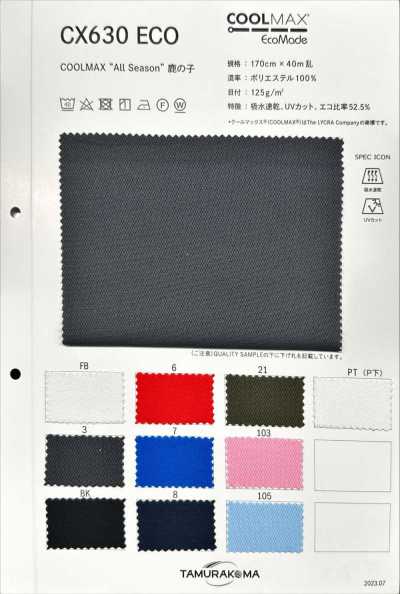
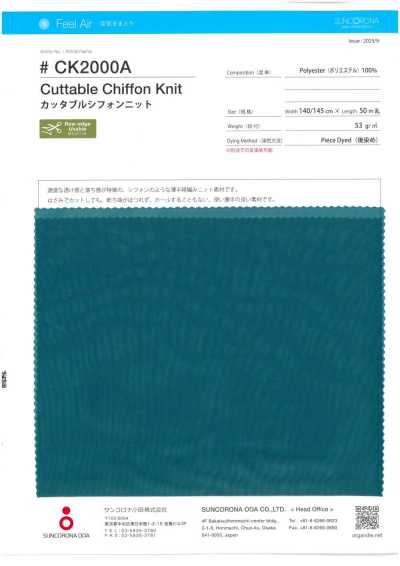
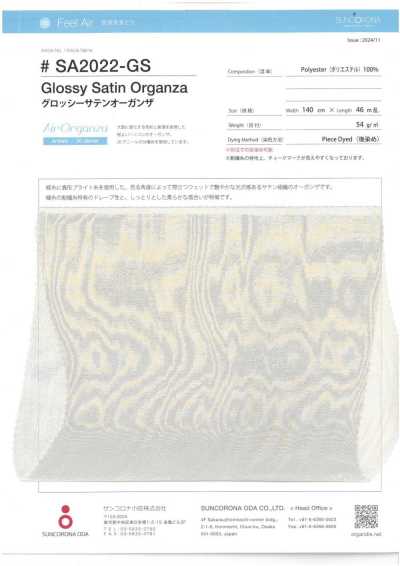
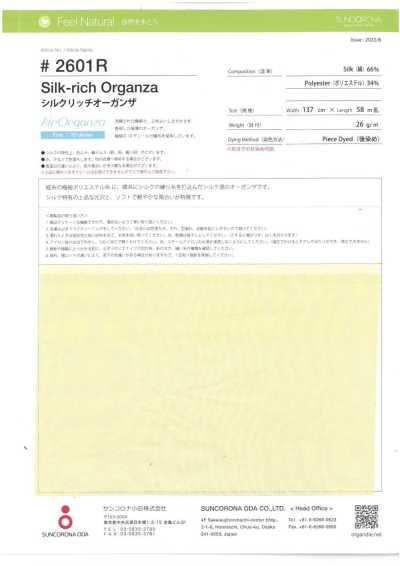
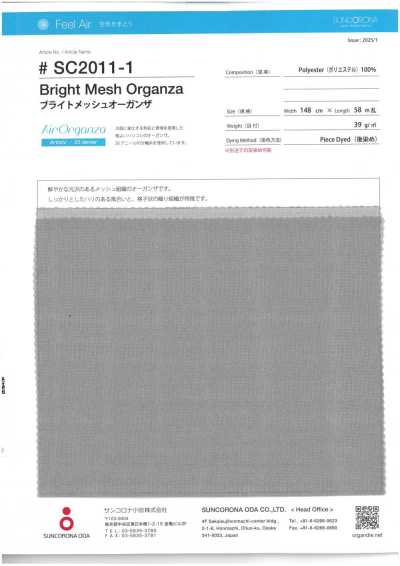
Random-length roll is a term that describes the packaging and transaction condition of textile whose length varies from roll to roll. It does not refer to the structure, material, or width of the textile. In the specification field, it is written with the standard length plus "random," such as "46 m random" or "50 m random."
In "m random" or "M random," the m indicates meters, and the number before it shows that the length of each roll is around that value. However, do not interpret that number as a guaranteed length for every roll; you need to confirm the selling conditions.
Situations Where It Is Used in Textile Transactions
Random-length rolls are confirmed in textile quotations, ordering and receiving, inventory management, shipping, and inspection. When ordering by entering quantities in meters, the quantity required for roll-based orders may be set. Before placing an order, confirm whether the required amount and order unit match.
In cutting plans, the required usage is allocated by roll. For patterned fabrics or one-way pile fabrics, the actual usable length is important. When using multiple rolls, also reflect the roll change point, waste, and whether they are from the same lot in the production instructions.
- When quoting or ordering, confirm whether the unit price is based on meters or per roll.
- When goods arrive, check the measured length written on the roll tag or similar document.
- Before cutting, add the allowance for spreading and cutting loss to the required usage and allocate accordingly.
Points to Check and How to Read the Numbers
When a product specification says "width × 46 m random" or "width × 50 m random," it indicates the approximate roll length together with the width. Since roll length differs by textile, if the required quantity is close to the boundary of the roll length, it is safer to ask in advance whether one roll will be enough.
The minimum order quantity, whether purchase below a full roll is possible, whether a cutting fee applies, and the minimum cuttable length all vary depending on the selling conditions. For example, restrictions or additional charges may apply to orders below a full roll, so it is important not to judge availability based only on the listed roll length.
Difference from a Roll and How to Prevent Misunderstandings
A roll is a transaction and management unit for wrapped textile, while a random-length roll indicates that the roll length is variable. Therefore, "1 roll" does not always mean the same number of meters. Distinguish it from standard-length rolls and confirm the actual length per roll.
In purchase orders and specifications, in addition to the textile product number, color, width, and required meters, clearly state "whether random-length rolls are acceptable," "whether roll-based ordering is requested," and "whether cutting is allowed." To avoid discovering shortages after delivery, share with the supplier whether the basis for determining the required amount is the measured length or the stated length.
Frequently Asked Questions
Does "50 m random" in a random-length roll always contain 50 m?
It does not necessarily mean it is exactly 50 m. "Random" indicates that the length differs from roll to roll. Even when it refers to a roll length of around 50 m, please confirm the actual length, allowable range, and calculation method according to each product's specifications and selling conditions.
Can I buy only the required number of meters from a random-length roll?
Whether you can purchase it depends on the selling conditions. Some textiles are sold only by the roll, some can be cut if they exceed a certain length, and some incur a cutting fee if they are below a full roll. If the required amount is close to the roll length, also confirm the actual length of the in-stock roll.