Raw Cotton
Raw cotton refers to cotton fibers collected from cotton bolls, with seeds and other impurities removed, before being spun into yarn. Selection and quality at the raw material stage affect the texture and appearance of the yarn and fabric.
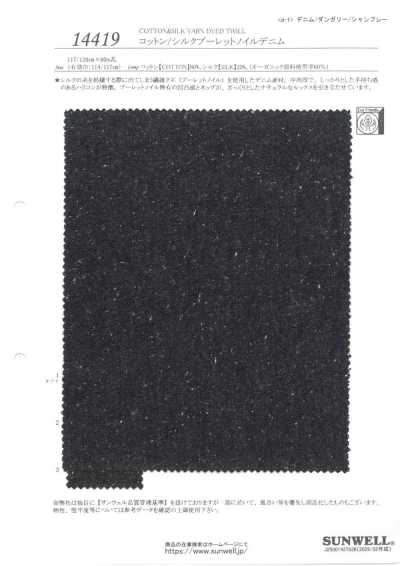
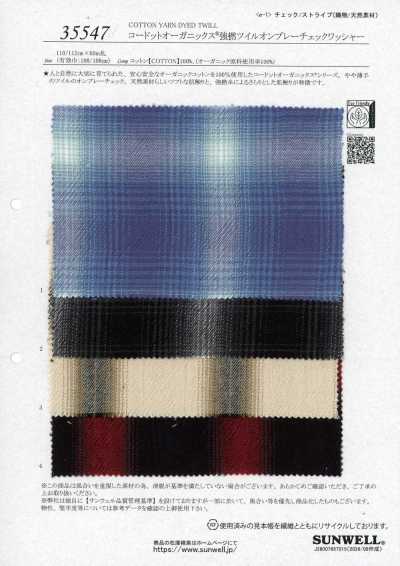
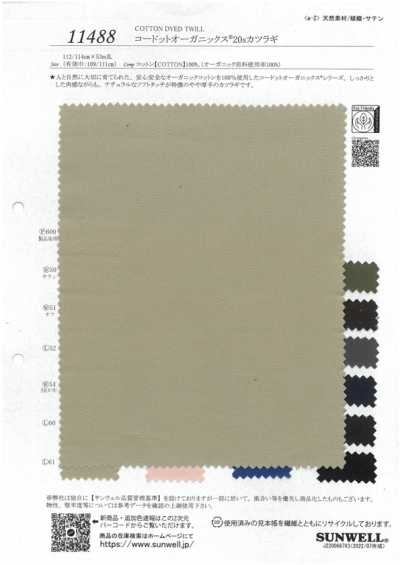
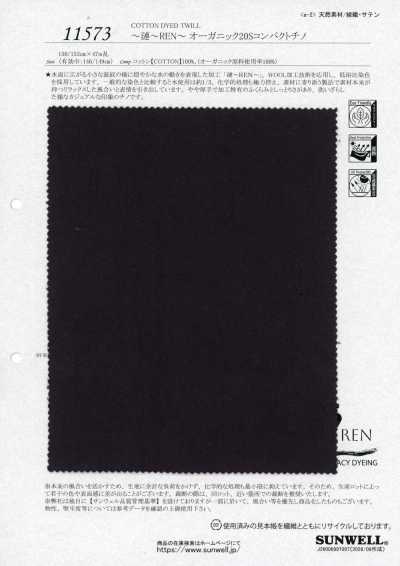
Contents6 sections
Definition and Overview
Raw cotton is cotton fiber collected from cotton bolls, processed to remove seeds and large impurities, and prepared before spinning. In spinning, raw cotton is taken through processes such as opening, blending and cleaning, and carding to loosen and align the fibers before turning them into yarn.
Normally, raw cotton refers to the raw material stage of cotton as a fiber material. However, in transactions and product descriptions, the raw materials for short fibers such as polyester may also be called raw cotton, so it is important to check this together with the material name.
Characteristics and Impact on Fabric
The fiber length, fineness, maturity, color, and amount of impurities in raw cotton affect the quality of the yarn after spinning. In general, raw cotton with long, uniform fibers is easier to spin into fine yarn and is said to help produce a smooth surface with less fuzz and irregular yarn appearance.
Cotton materials are absorbent and relatively gentle against the skin. However, the final hand feel, strength, luster, and whiteness are not determined by raw cotton alone. The spinning method, yarn twist, weave or knit structure, and scouring, bleaching, dyeing, and finishing processes also play major roles.
Main Applications
Raw cotton is used as the raw material for spun yarn and in a wide range of cotton products, including shirts, T-shirts, underwear, denim, towels, bedding, and canvas. Depending on the intended use of the fabric and the desired texture, yarn may be spun from raw cotton from a single origin or a blend of multiple raw cotton sources.
Applications range from lightweight garments to heavy workwear, and the season is adjusted through fabric thickness, structure, and finishing. Since raw cotton is not the name of a finished fabric, when judging its application, also check the yarn count, fabric weight, density, and processing details.
Selection and Handling Notes
When selecting fabric or yarn, do not judge quality by the phrase "uses raw cotton" alone; check the cotton blend ratio, yarn type, count, fuzz, surface feel, shrinkage rate, and colorfastness. Using white raw cotton does not guarantee color development or colorfastness in every color.
Cotton products may shrink through washing and drying. Before mass production, check the fabric shrinkage rate and, if necessary, consider whether water washing or shrink-resistant finishing has been applied. In sewing, align the grain and cut the fabric, and set needle, thread, and feed conditions suited to the fabric to reduce uneven length differences and puckering.
- For dark-colored items, check for color transfer caused by friction.
- For natural or light-colored items, also watch for yellowing and dirt during storage.
- Since there may be differences in color and texture depending on the lot, confirmation for each roll is required in mass production.
Differences from Similar Terms
Cotton is the general name for fiber materials derived from cotton plants. Raw cotton refers to the raw material stage before it becomes yarn. Combed yarn and carded yarn are spun yarns classified by the differences in the processes used when spinning raw cotton.
Natural refers to the color or state of fabric or products that have not been bleached or dyed. Raw cotton also has a natural color tone, but raw cotton and natural refer to different stages in the process.
Frequently Asked Questions
Do raw cotton and cotton mean the same thing?
Not exactly. Cotton is widely used as the name for fiber materials and product materials, while raw cotton mainly refers to cotton fiber before spinning. However, in sales materials and similar documents, short-fiber raw materials in general may also be called raw cotton, so check whether a material name other than cotton is listed alongside it.
Does the difference in raw cotton change the texture of the fabric?
It can. Fiber length, fineness, maturity, and the amount of impurities can affect fuzz, smoothness, irregular yarn appearance, and the way the fabric looks when dyed. However, the final texture of the fabric is determined not only by the raw cotton, but also by the conditions of spinning, twisting, weaving or knitting, dyeing, and finishing.
Does cotton fabric need to be washed before cutting?
It depends on the intended use and fabric specifications. Because there is a possibility of shrinkage in washing, water washing is sometimes done in home sewing. In product manufacturing, it is important to conduct shrinkage tests in advance and manage the specifications, including pattern allowance and whether shrink-resistant finishing has been applied.