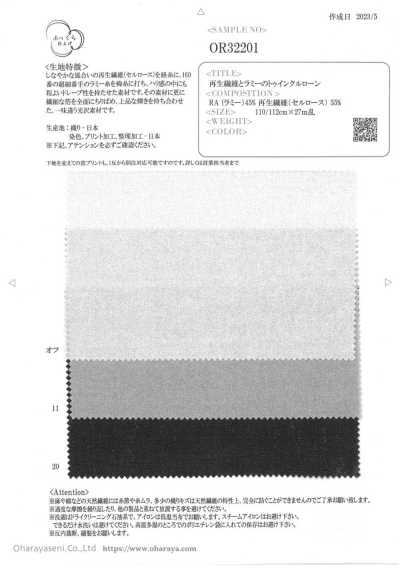
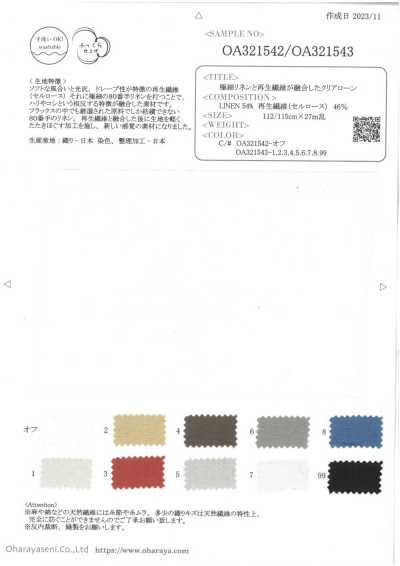
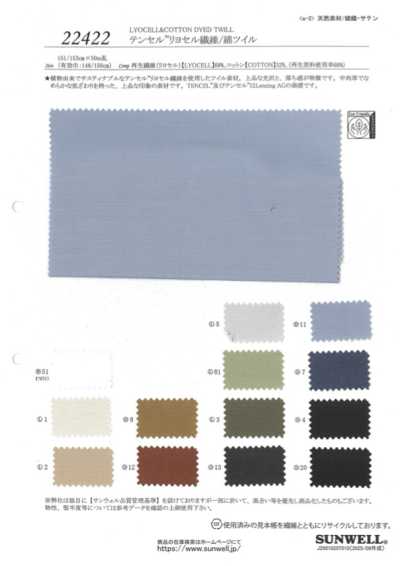
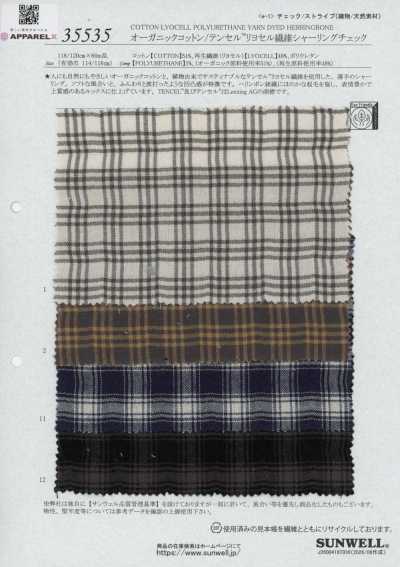
Regenerated Fiber
Regenerated fiber is a general term for man-made fibers made by once dissolving cellulose such as wood pulp or cotton linters and then re-forming it into fibers.
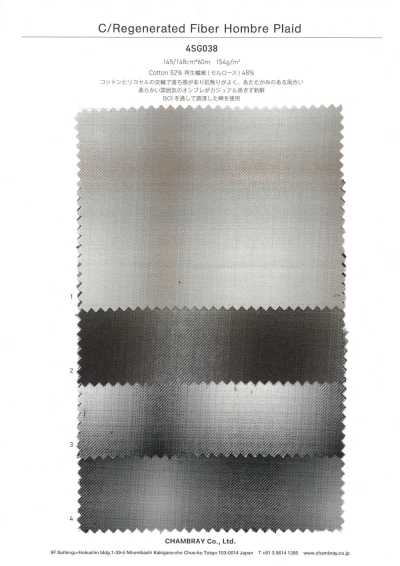
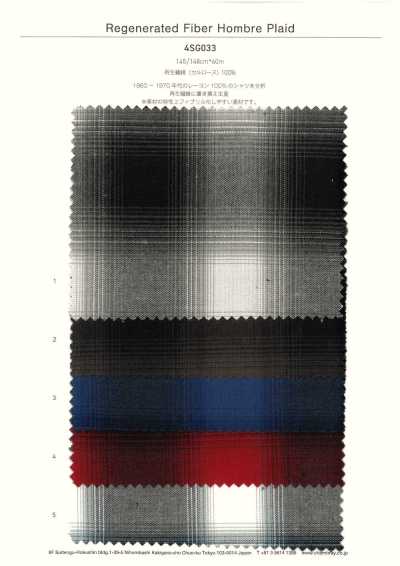
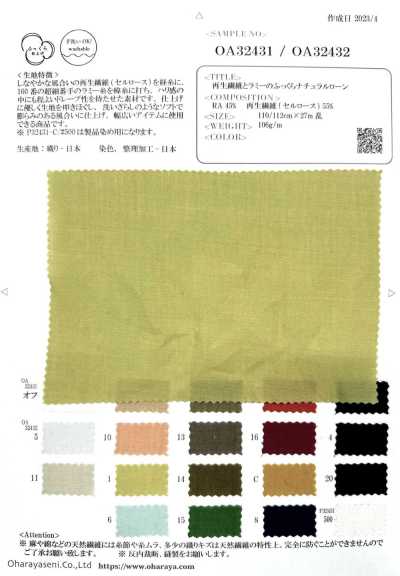
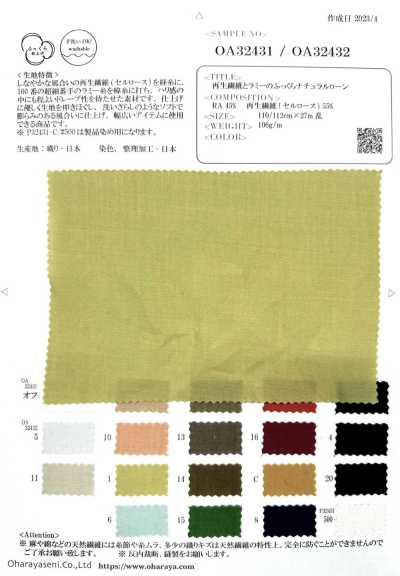
Contents6 sections
Definition and Overview
Regenerated fiber is a material made by chemically dissolving naturally derived cellulose as a raw material, then spinning it into fibers again. Representative examples include rayon, cupro, lyocell, and modal; the raw materials, production methods, and fiber properties differ by type.
It is distinguished from synthetic fibers such as polyester and nylon, which are made mainly from petroleum. In addition, acetate, which is made by chemically modifying cellulose, is generally treated as a semi-synthetic fiber and is classified differently from regenerated fiber.
Texture and Performance
Many regenerated fibers are moisture-absorbing and are characterized by a smooth, soft hand and a drape with graceful fall. Gloss, coolness, stiffness, and wrinkle behavior vary greatly depending on the type of yarn, weave or knit structure, fabric weight, processing, and blended fibers.
Rayon is well suited to expressing suppleness and luster, cupro is known for its smoothness, which also makes it suitable for linings, and lyocell is noted for retaining strength relatively well. However, product performance should not be judged by the material name alone; confirm it with fabric specifications and test results.
Main Applications
Taking advantage of drape and hand feel, it is used for blouses, shirts, dresses, skirts, gowns, cut-and-sew items, and innerwear. In addition to spring and summer apparel that seeks moisture absorption and a crisp feel, it is also used as an all-season material through blending and composites.
Cupro is used for linings in jackets, coats, skirts, and more, making use of its smoothness. In blends with polyester and other fibers, designs are made to complement the regenerated fiber's texture with reduced wrinkling, strength, and ease of handling.
Selection and Handling Precautions
When selecting, check not only the material name but also blend ratio, structure, fabric weight, dyeing and finishing, care label, shrinkage rate, and color fastness. In particular, fabrics containing rayon may experience strength loss, shrinkage, or shape distortion when wet, so it is important to carry out washing and sewing tests before production.
Before cutting, relax the fabric by allowing it to rest, and if necessary set cutting allowances and patterns with shrinkage in mind. In sewing, misalignment, puckering, and seam waviness are likely to occur with lightweight fabrics and highly drapey fabrics, so interlining, needles, thread, and feed conditions should be considered according to the fabric.
- Always confirm whether machine washing is possible and the ironing temperature by checking the care label and the fabric handling conditions.
- For dark-colored items, assume color transfer due to friction or washing and check color fastness.
- With lyocell blends, the surface may become fuzzy depending on friction and washing conditions, so confirm appearance changes through product testing.
Differences from Similar Terms
Regenerated fiber is a general term for a material classification, and rayon, cupro, lyocell, and modal are the individual fiber names included in it. On the other hand, cotton, linen, silk, and wool are natural fibers that use raw materials as fibers.
Regenerated fiber may use plant-derived raw materials, but the procurement method of the raw material and the manufacturing process differ by brand and producer. Therefore, environmental impact and sustainability cannot be judged uniformly based on the material name alone.
Frequently Asked Questions
What is the difference between regenerated fiber and rayon?
Can fabrics made of regenerated fiber be washed at home?
Whether home washing is possible is not determined by the fact that it is regenerated fiber alone. It varies depending on the fiber type, blend ratio, structure, processing, and product specifications, so check the care label. Some fabrics may shrink or change texture with water washing, so washing tests before mass production are necessary.
Is regenerated fiber a sustainable material?
Regenerated fiber uses cellulose as its raw material, but environmental evaluations vary depending on raw material sourcing, solvent management, manufacturing processes, and whether certification is in place. Do not judge it to have a low environmental impact based on the name regenerated fiber alone; confirm the basis for each material.
- Search products for "Regenerated fiber"
- Products with material "Rayon"
- Products with material "Lyocell"
- Products with material "Cupro"
- Products with material "Modal"
- Products for style "For Innerwear"
- Products for style "For Shirts/blouses"
- Products for style "For Skirts And Dresses"
- Products for style "For Costumes/dresses"
- Browse Textile products