Rinzu
Rinzu is a woven fabric characterized by its luster and smooth texture, made mainly with silk yarn and featuring woven-in patterns based on a satin weave.



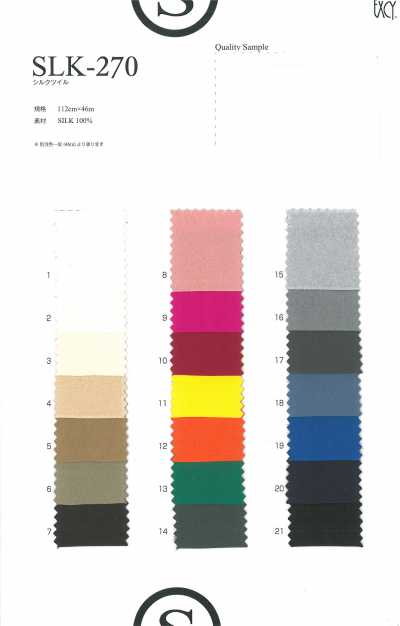
Contents6 sections
Definition and Overview
Rinzu is a figured fabric based on satin weave, in which patterns are woven in by varying the ground structure and pattern structure. Depending on how light hits it, differences in luster appear between the ground and the pattern, and the subtle woven design can still be enjoyed after dyeing. Traditionally, it is a fabric often made with silk.
As a fabric name, Rinzu refers not only to the material itself, but also to the nature of a woven fabric with a satin-like luster and woven pattern. For this reason, appearance and finished result can vary greatly depending on the blend ratio, thickness, density, and size of the pattern.
Texture and Appearance
The surface is smooth and tends to have an elegant luster and a soft drape. Even when it looks solid, woven patterns such as flowers, clouds, and geometric motifs emerge depending on the angle. Unlike printing, the pattern is expressed through the weave structure.
In satin weave, some yarn floats long on the surface, so care is needed to avoid snagging and shine caused by friction. The front and back, as well as the way the pattern appears, differ depending on the weave design, so check the front side and pattern direction of the fabric before cutting.
Main Applications and Seasons
Rinzu is representative of Japanese formalwear for celebratory and dressy occasions, and it is also used for obi sashes and accessories. In Western clothing, it is suitable for items that make use of luster and woven patterns as a design feature, such as blouses, dresses, skirts, stage costumes, and similar pieces.
It ranges from lightweight to relatively substantial types, and the applications and seasons are determined by fabric weight, sheerness, and material composition. Lightweight types are used for layering and spring/summer dresses, while heavier and denser types are used for autumn/winter formalwear and products that require decorative appeal.
How to Choose and Handling Notes
When selecting it, check the type of woven design, pattern direction, strength of luster, sheerness, thickness, and drape using an actual sample. Because the pattern may be interrupted at seams and switching points, it is important to plan pattern matching and allow extra fabric when using an all-over design.
Silk Rinzu can change in texture, shrink, or transfer color due to moisture and friction. Follow the material blend ratio and care label for washing, and in general avoid strong friction, long soaking, and high-temperature ironing. Use a pressing cloth when ironing, and test on an inconspicuous area first.
For sewing, choose a fine needle and a fine sewing thread suitable for the fabric to reduce needle holes and puckering. For fabrics that are prone to shifting during sewing, set appropriate presser foot pressure and feed conditions, and if necessary sew with basting or tissue paper as well.
Differences from Similar Terms
Satin weave is the name of the basic structure that creates a smooth luster. Rinzu refers to a woven fabric in which a woven design is created on a satin base, so not every shiny satin weave fabric is Rinzu.
Satin is used as a general term for fabric with satin weave or satin-like luster, but a major feature of Rinzu is that it has woven patterns. Damask also refers to a woven fabric with patterns expressed by a figured weave, and the difference is that Rinzu is often treated as a silk satin figured fabric.
Frequently Asked Questions
What is the difference between Rinzu and satin?
Satin is a broad term for fabrics with satin weave or satin-like luster. Rinzu refers to a woven fabric based on satin weave, in which a woven design is created by changes in the structure. Many Rinzu fabrics have a solid-looking appearance, but woven patterns can be seen depending on the light.
Can Rinzu be washed at home?
Whether Rinzu can be washed depends on the material composition and processing. In particular, silk versions may shrink, change texture, or transfer color when washed with water, so the basic rule is to follow the care label on the product. Even when machine washing is allowed, handle it in a way that reduces stress from friction and spinning.
What should I watch out for when sewing Rinzu?
Because the surface is smooth and slippery, and needle holes and puckering may stand out, test cutting and sewing first. Choose a fine needle and thread suitable for the fabric, and adjust presser foot pressure and thread tension. If the woven design has a direction, cut all pieces with the orientation aligned.