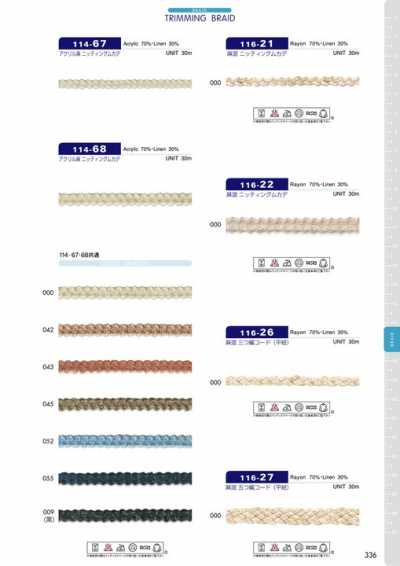
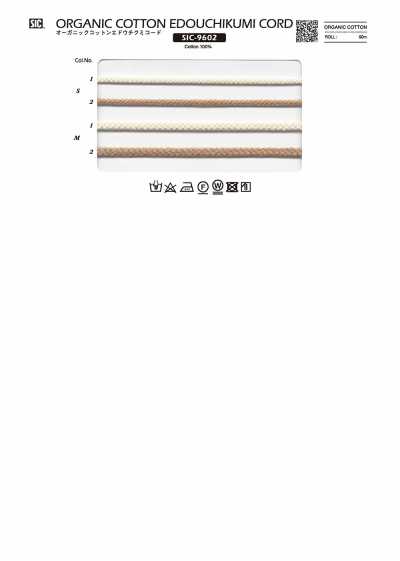
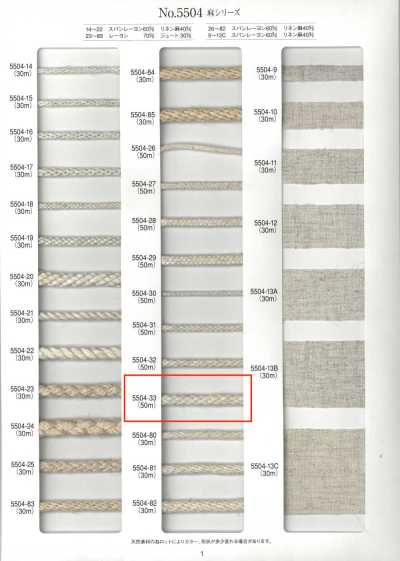
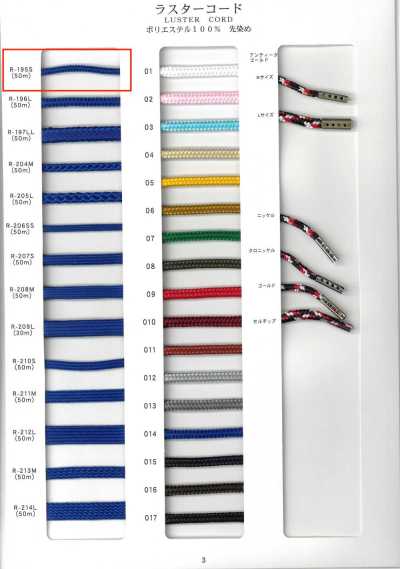
Round Braid / Flat Braid
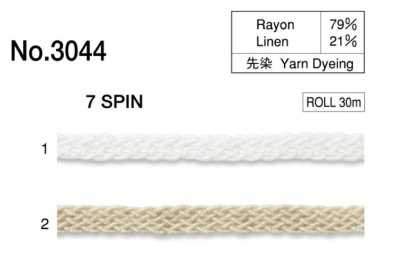
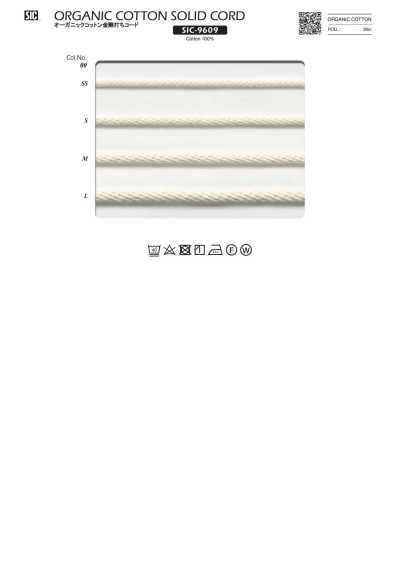
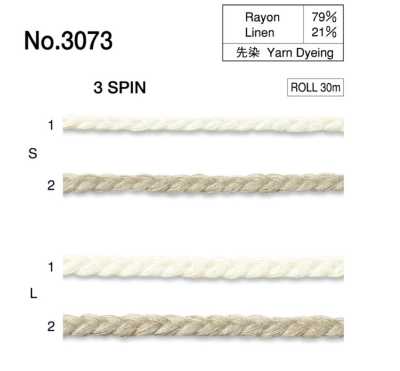
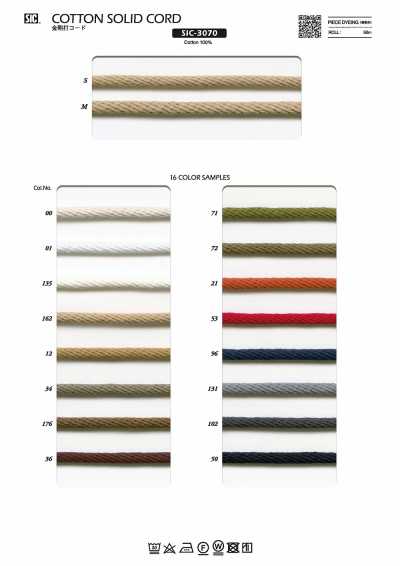
Round braid and flat braid are terms used to describe the cross-sectional shape of cords made by braiding yarn, and they are used according to applications and appearance, distinguishing between round, round braid and flat, flat braid.
Contents6 sections
Definition and Overview
Round braid and flat braid are names mainly used to distinguish the shape of braided cords and similar items. Round braid has a cross section that is close to circular, while flat braid has a band-like, flat shape. Both are basic terms used when specifying the thickness or width of a cord, its surface feel, and how it feels in use.
“Braid” is an expression derived from the cord-making process of braiding yarn to make a cord. However, in distribution, knitted cords and woven cords are also sometimes called round braid or flat braid, so the name alone may not identify the manufacturing method.
Materials and Structure
Materials include cotton, polyester, nylon, acrylic, and rayon. Strength, luster, stiffness, fuzzing, and stretch vary greatly depending on the material, yarn thickness, twist, and braiding density.
Round braid is often made by crossing multiple yarns in a three-dimensional structure, giving it thickness and a three-dimensional feel. Flat braid is made by spreading the yarns out in the width direction, making it easier to lie flat. Those with a buttonhole thread core may be easier to keep in shape.
How Dimensions Are Expressed
Round braid is generally expressed by diameter or thickness, while flat braid is expressed by width. However, because the cross section changes depending on the structure, load, and processing condition, the indicated dimensions should be checked as a standard reference. If necessary, thickness should also be checked.
Cords for apparel must match the opening, cord stopper, cord end, and knots. Round braid is easier to pass through, while flat braid is easier to select when you check the visible width and how it feels against the skin using an actual sample.
- Round braid: check the diameter, thickness, and whether there is a core.
- Flat braid: check the width, thickness, and how easily the edge frays.
- Common: check narrowing during extension, width changes, and how it passes through hardware.
Main Uses and How to Choose
Round braid is used for hood and waist drawcords, bag cords, loops, and similar items. It has a three-dimensional feel and is easy to thread, and it gives knots more volume, but thin types may feel like they dig in.
Flat braid is used for apparel waist cords, bag drawstrings, decorative tape-like cords, and similar items. It follows flat surfaces well and, depending on the width, can create a decorative effect. Choose the tensile strength, resistance to slipping, and hand feel needed for the application.
Handling and Sewing Notes
On braided cords, the yarn may unravel or fray from the cut end. Finish the end in a way that suits the specification, such as tying it off, stitching it in place, or attaching a cord end. Heat-sealing the end is limited to cases that include thermoplastic fibers, and the material specification and finished result should be checked in advance.
Stretching or shrinking during washing or drying, color transfer from dyed products, and fuzzing caused by friction vary depending on the material and structure. For products with cords threaded through the main body, take into account possible pull-out or tangling during washing, and review the specification including the end-fixing method, reinforcement of the opening, and washing tests.
Frequently Asked Questions
Which is better for a drawcord, round braid or flat braid?
Round braid is often chosen when ease of threading and the three-dimensional look of the knot are important, while flat braid is a candidate when the visible width and how it feels against the skin are important. Check the actual product to match the inner diameter of the eyelet or stopper, the dimensions of the opening, and the required strength.
What should you do if the ends of round braid or flat braid fray?
Depending on the material and application, finish the end by folding it back and stitching it down, making a knot, or attaching a cord end. Even when heat treatment is possible for fibers that melt, testing is necessary before mass production because hardening or discoloration may occur.