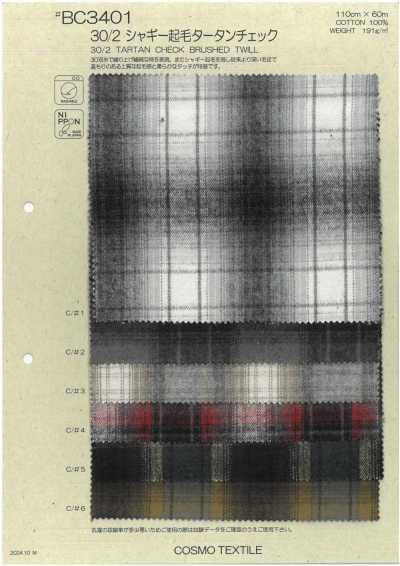
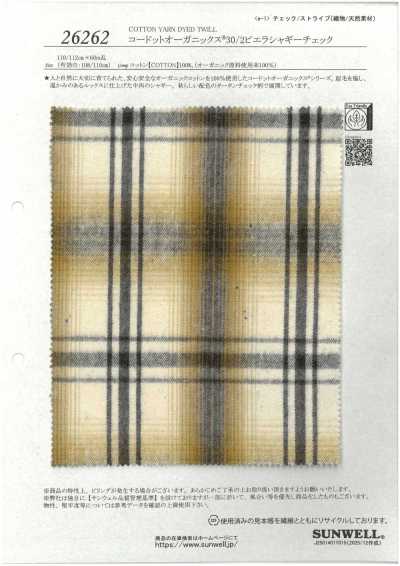
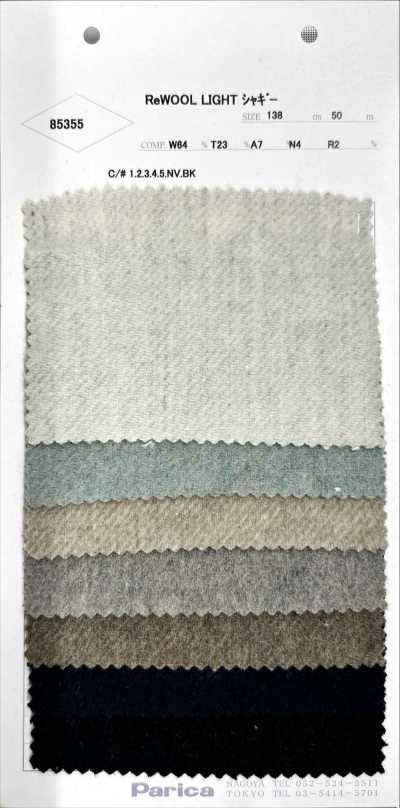
Shaggy
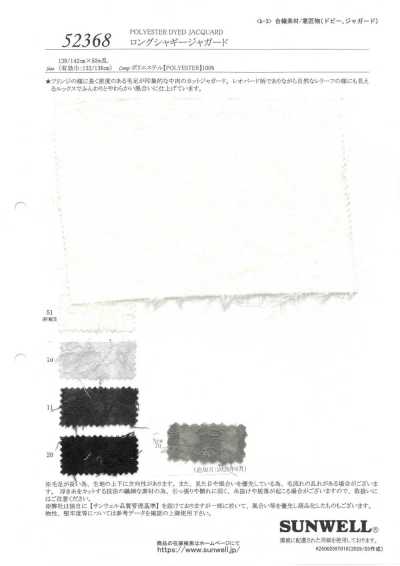
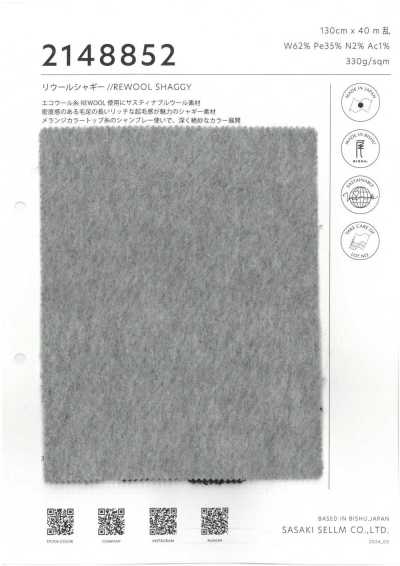
Shaggy is a term for a material or finish that gives woven fabrics and knits a fluffy, voluminous, and warm-looking appearance by raising longer fuzz or pile on the surface.
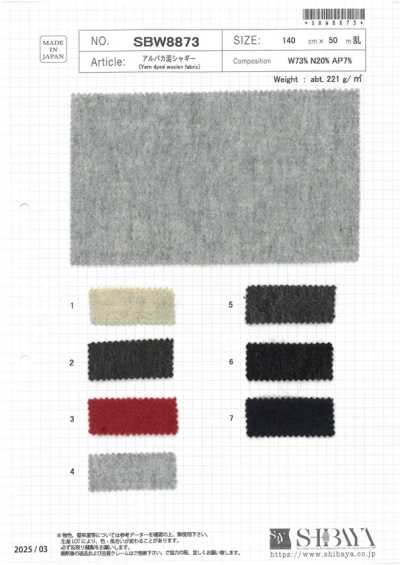
![68181 Wool Shaggy [Made With Recycled Wool Yarn]](/img/item/thumb/OKURA/1073683_t2.jpg)
Contents6 sections
Definition and Overview
Shaggy is a term for textiles characterized by a surface with long, uneven-looking pile. It does not refer to a specific weave structure or fiber name, but describes the appearance and texture created by the material, weave, yarn usage, brushing, or other finishing.
It is used for textiles containing animal fibers such as wool and mohair, as well as synthetic fibers and their blends. The impression varies greatly depending on pile length, density, direction, and the thickness of the base fabric, ranging from a light texture to one with a substantial feel.
Features
The surface nap traps air, giving it a soft appearance and making it easy to create a warm, autumn-winter feel. Depending on the shadows created by the pile and how the yarn colors mix, even solid fabrics can have depth and dimension.
On the other hand, the piled surface is prone to friction, and fuzzing, pilling, and shedding may become noticeable. Also, because the appearance of color depth and sheen changes with the direction of the pile, the direction must be aligned during cutting and sewing.
- Long pile emphasizes volume.
- Dense pile tends to look heavy, while sparse pile tends to look light.
- Warmth retention, lightness, and durability vary depending on the blended fibers and processing method.
Main Applications
Shaggy is often used for autumn-winter apparel that makes use of the material's presence, such as coats, jackets, vests, skirts, and dresses. When combined with patterns such as checks or Jacquard, the shadows created by the pile add a soft impression to the design.
The longer the pile, the more likely seams and details are to be obscured, so decorative designs require checking the overall balance. Whether to use a lining is determined by considering the thickness of the base fabric, skin feel, shedding, and ease of slipping when putting on and taking off the garment.
Selection and Handling Notes
During planning, confirm not only the blend ratio but also the pile length and density, nap direction, fabric weight, sheerness, and stretch in the actual material. If product washing is planned or the item will be washable, it is important to test shrinkage, fuzzing, and texture changes after washing in advance.
During cutting, align the nap in one direction to prevent differences in appearance between parts. Since cutting waste tends to be generated, take care with the work environment, and during sewing, brush out the pile as needed so it does not get caught in the seam allowance.
Washing methods vary depending on the fiber type and processing. Strong friction and long machine washing can cause pilling, fuzzing, and shrinkage, so follow the care label for each product, and store it carefully so the pile does not get crushed.
Differences from Similar Terms
Brushing refers to a process in which the fibers on the fabric surface are raised to create fuzz. Shaggy is not limited to that process; it refers to the overall appearance of long, fluffy pile, and is therefore a term focused more on appearance and texture than brushing.
Fake fur refers to a piled material that replicates the look of animal fur. Shaggy is not necessarily fur-like, and is also widely used for textiles with long fuzz on the surface of woven fabrics and knits. Mohair is the name of a fiber, and fabrics made with mohair may be called shaggy, but the two are not synonymous.
Frequently Asked Questions
Is shaggy the name of a weave structure?
Shaggy is not the name of a structure like plain weave or twill. It is used for both woven fabrics and knits, and refers to a fluffy surface created by long fuzz or pile. The base structure, fiber used, and whether brushing has been applied are confirmed for each textile.
Can shaggy textiles be washed at home?
Whether home washing is possible depends on the blended fibers such as wool, the brushing process, and the sewing specifications. Since shrinkage and distortion of the nap may occur with water washing, do not judge by the material name alone; check the product care label and conduct a preliminary wash test.
What should you be careful about when sewing shaggy?
If the nap is not aligned and cut consistently across all parts, differences in color and the way light appears will occur. Brush out any pile caught in the stitching, and check seam thickness and shedding as well. If there is a lot of cutting waste, cleaning during the process is also necessary.