Striped Pocket Lining
Striped pocket lining is a pocket lining woven with a striped pattern, mainly used for pocket bags in pants and jackets, and is a fabric that combines an attractive interior appearance with practicality.
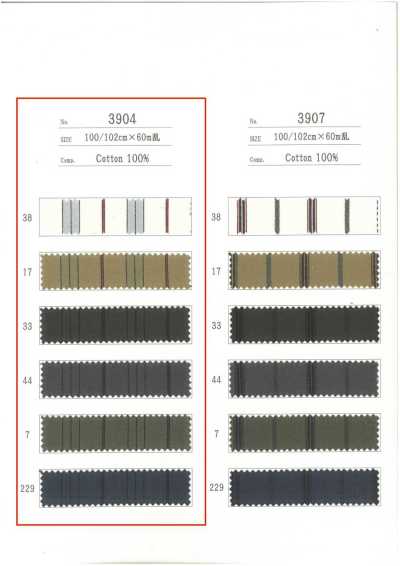
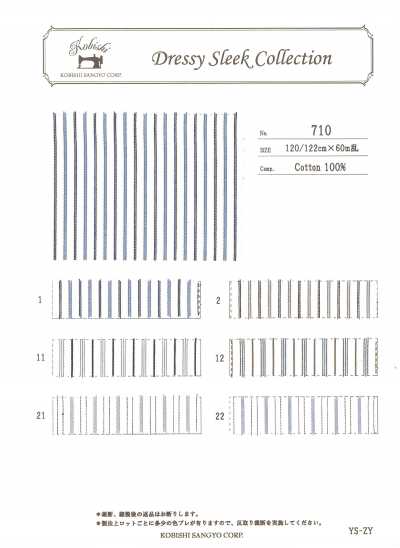
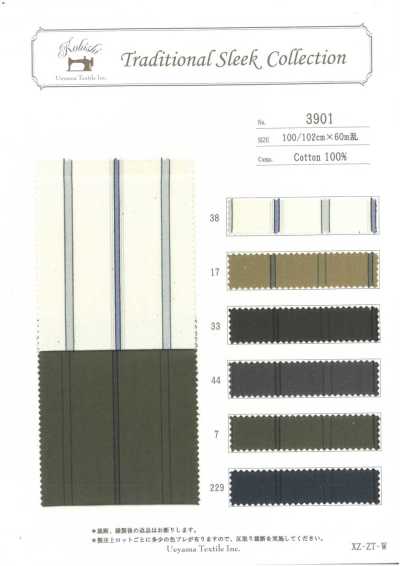
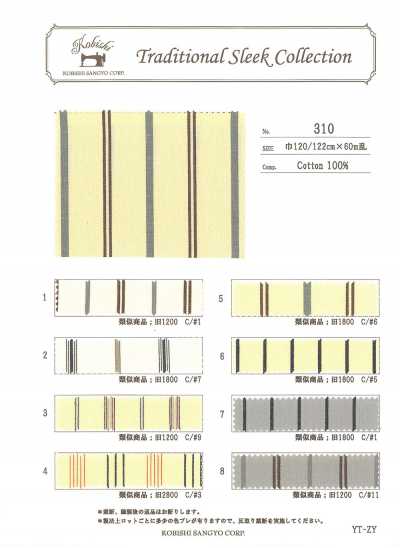
Contents6 sections
Definition and Overview
Striped pocket lining is a textile with a striped pattern applied to pocket lining used for pocket bags and similar parts. Pocket lining refers to the woven fabric used as a supplementary material that supports the outer fabric and relates to the strength and fit inside the pocket. Striped pocket lining also adds a decorative look that can be seen when the garment is taken off or when the pocket opening is exposed.
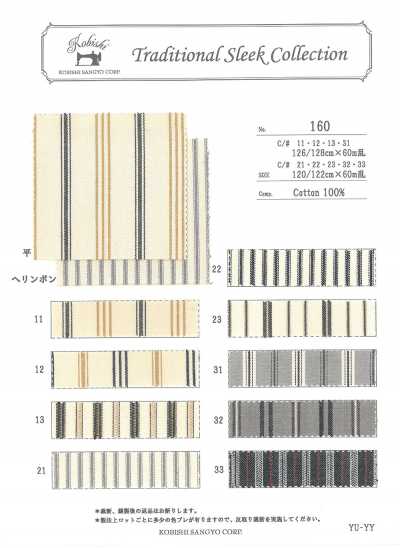
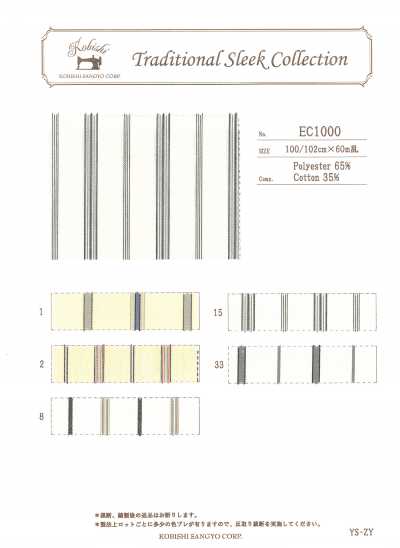
The stripes are often a yarn-dyed woven pattern rather than a print, and the appearance of the pattern varies depending on the yarn color, stripe spacing, and weave structure. However, the fact that it is striped does not limit the material, structure, or thickness.
Areas of Use and Role
The main areas of use are pocket bags for side pockets, coin pockets, and back pockets on trousers. On jackets, vests, and coats, it may be used for inner pocket bags or waist pocket bags. It adds a subtle decorative touch with a striped pattern to areas that are not highly visible from the outside.
Pocket bags are expected to withstand repeated friction from hands and stored items, be easy to handle during sewing, and not overly affect the silhouette of the outer fabric. Striped pocket lining should also be judged not only by the pattern, but by checking the strength and thickness needed for the intended use.
Materials and Types
Many striped pocket linings are made of cotton, including tightly woven fabrics and fabrics made with fine plied yarn. Cotton is absorbent and can easily provide a natural texture, but shrinkage after washing and color transfer should be checked according to the specifications.
The material is not limited to cotton; there are also blends with polyester. Because blended products differ in drying speed, wrinkling, and abrasion resistance, they are selected according to the outer fabric's washing method, whether the product is washed after sewing, and the required hand feel.
- 100% cotton: a type that makes it easy to make use of a natural texture.
- Cotton and polyester blend: a type designed with drying performance and dimensional stability in mind.
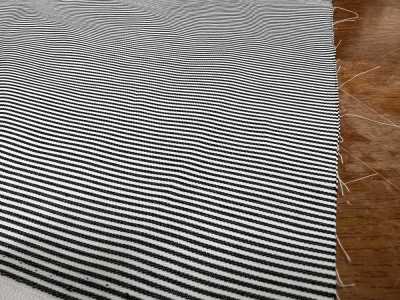
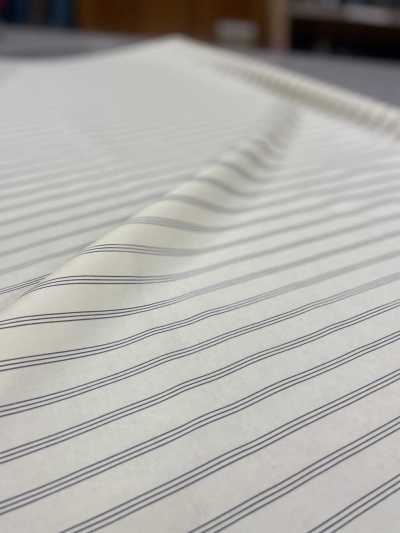
- Fine stripes: a pattern that tends to create a subdued, neat impression.
- Wide stripes: a pattern suited to specifications that show the pattern inside the pocket.
Main Applications
Striped pocket lining is often used for pocket bags in trousers, chinos, and work pants. In dressy trousers, it enhances the refined feel of the inside construction, while in casual trousers it becomes a design accent through color coordination with the outer fabric and the use of pattern.
On jackets and vests, it may be used as the pocket bag for inner pockets. It can add a design touch on the inside without changing the product's exterior, but with thin outer fabrics it is important to check whether the pocket bag color or stripes show through the outside.
How to Choose, Handling, and Sewing Precautions
When selecting, check the composition, fabric weight, density, thickness, and the direction and spacing of the stripes. For pockets that hold many items, consider abrasion and tensile stress, and for lightweight garments choose a thickness that will not overly affect the outer fabric. The color match with the outer fabric, stitching thread, and other pocket bags also affects the final appearance.
When cutting, align the direction and position of the stripes on the left and right pockets and any visible areas. If the stripes appear diagonal, it may be perceived as a misalignment of the grain line. Before sewing, it is reassuring to wet the fabric and perform a trial stitch to check shrinkage from washing, puckering, and the rubbing fastness of dark colors.
Frequently Asked Questions
Is striped pocket lining the same as lining?
Striped pocket lining is a textile mainly used for pocket bags, and its purpose differs from lining, which broadly covers the inside of a garment. Lining often emphasizes smoothness and ease of putting on and taking off, while striped pocket lining is selected with pocket durability, sewing ease, and inside decorative appearance in mind.
Can striped pocket lining be used for things other than trousers?
It can also be used for inner pocket bags or waist pocket bags in jackets, vests, and coats. However, with thin outer fabrics, it may show through or create impressions from pressing. Check the thickness and color difference from the outer fabric, and consider the specifications, such as limiting the visible area of the pocket bag if necessary.
Is pattern matching necessary when cutting striped pocket lining?
Pattern matching is important for specifications where the pocket bag is visible from the pocket opening, or where the left and right pockets are meant to look aligned. In addition to the stripe direction, the stripe positions should also be aligned on both sides. Even for pocket bags that cannot be seen from the outside, taking the grain line correctly during cutting helps reduce twisting and loss of shape after washing.