Super Number
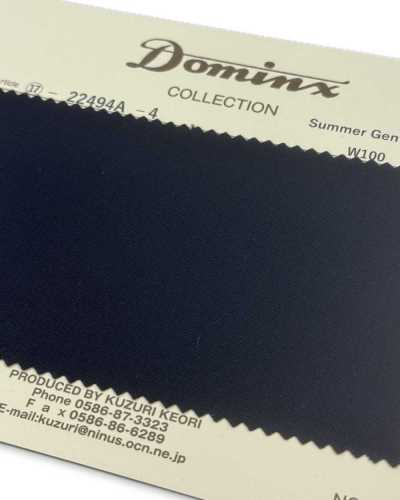
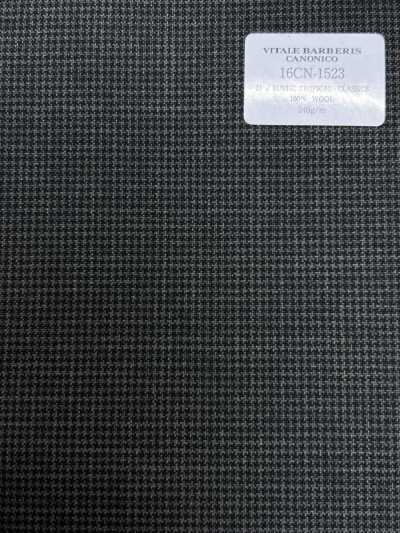
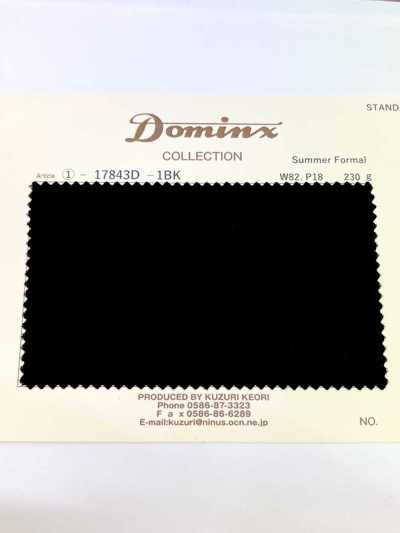
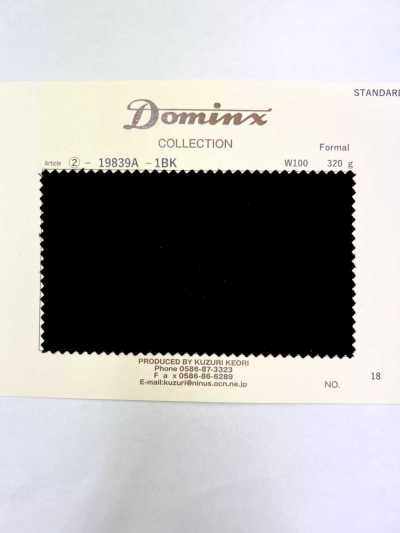
Super number is a customary indication used mainly for worsted wool to show the average fineness of the raw fibers in stages, and it serves as a guideline for choosing a textile's texture and appearance.

Contents6 sections
Definition and Overview
Super number is a customary indication used for worsted wool and similar materials to show the fineness of the raw fibers in stages. In general, the larger the number after S, the finer the fibers used in the material.
It does not indicate the fabric construction, fabric weight, density, finishing method, or blend ratio. Even with the same super number, thickness as a fabric, firmness, durability, and luster are not uniform, so quality overall cannot be judged by the number alone.
Hand Feel and Visual Characteristics
Wool made with finer fibers generally has a smoother surface and tends to feel more supple, making it easier to express subtle luster and a refined texture. Making it into worsted yarn also contributes to a clean appearance.
On the other hand, fiber fineness alone does not determine resilience, firmness, wrinkle recovery, or abrasion resistance. Depending on twist, yarn thickness, weave, density, and finishing conditions, the hand can vary greatly, from crisp summer styles to fuller autumn and winter styles.
Main Uses and Seasons
Worsted wool fabrics with a super number are used for garments that call for a neat appearance and a high-quality feel, such as jackets, suits, slacks, skirts, and dresses. The intended use is determined not by the number shown, but by checking the fabric weight, weave structure, stretch, and finish.
For spring and summer, plain weaves or coarser constructions that allow breathability are selected, while for autumn and winter, twills or fabrics with a brushed feel are chosen. However, the super number itself does not classify seasons.
- For jackets and suits
- For pants
- For skirts and dresses
- For formal wear
Selection and Handling Notes
During planning, in addition to the super number, check the blend ratio, fabric weight, density, construction, stretch, abrasion resistance, and care label. For thin, soft fabrics, it is important to verify the tailoring result with samples, including the selection of interfacing and the use of lining depending on the design.
Wool is susceptible to moisture, heat, and friction, and shrinking or changes in hand may occur depending on washing and drying conditions. Before production, carry out shrinkage tests and confirm whether preshrinking or sponging is needed, as well as the ironing temperature and use of a pressing cloth during sewing.
For fine-count fabrics with a delicate surface, seam slippage, wavy seams, needle holes, and fading may become noticeable. Adjust the needle, thread, feed conditions, and seam allowance treatment through test sewing, and avoid excessive pressing or friction.
Differences from Similar Terms
Super number is an indication related to the fineness of the raw wool fibers, and it differs from yarn count, which indicates yarn thickness. Yarn count is a unit that shows the thickness of yarn, and the yarn count or fabric thickness cannot be determined directly from the super number.
Also, merino wool is a term referring to the type and origin of wool, and is a different concept from super number. Shrink-resistant processing is a treatment that suppresses shrinkage from washing, and using fine raw material by itself does not guarantee shrink resistance or washability.
Frequently Asked Questions
Does a larger super number always mean higher quality?
A larger number generally indicates finer raw fibers, but it does not determine overall quality. Durability and tailoring performance are also affected by yarn design, weave structure, density, finishing, and blend ratio. Choose based on the physical properties suited to the intended use.
Can fabric thickness or season be understood from the super number alone?
No. The super number mainly indicates the fineness of the raw fibers and does not show fabric weight, weave structure, or fabric density. Suitability for spring and summer or autumn and winter is judged by combining fabric weight, breathability, surface texture, and finishing.
Can wool with a super number be washed at home?
The super number alone cannot determine whether home washing is possible. Suitable care depends on whether the fabric is shrink-resistant, the blend ratio, whether it is woven or knitted, and the sewing specifications. Follow the care label for each fabric or product, and perform washing tests before production.