Jersey Cotton
Jersey cotton is a plain-woven fabric made from cotton yarn, with a simple texture and moderate durability. Its thickness and hand vary depending on yarn thickness, density, and finishing.
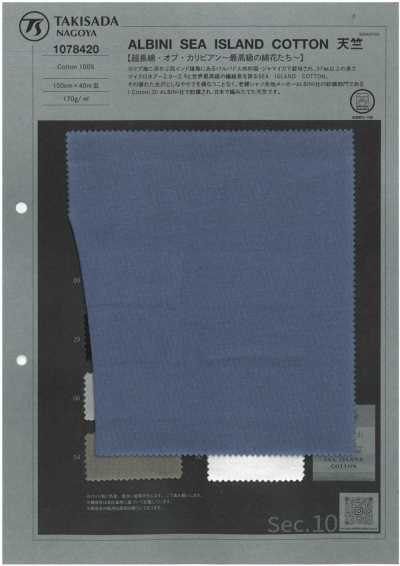
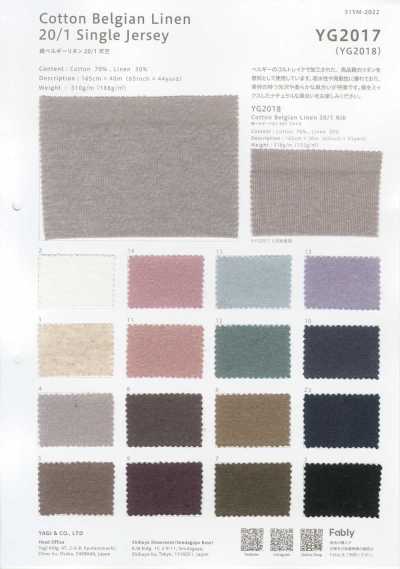
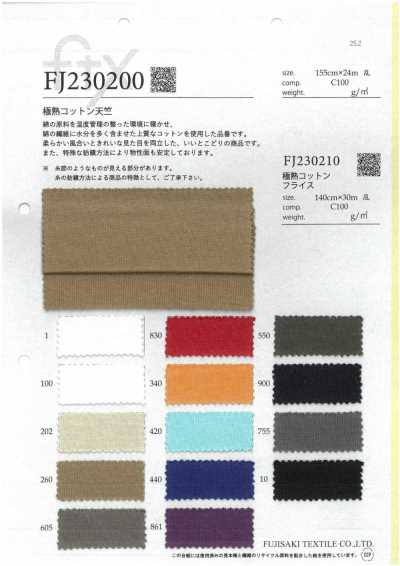
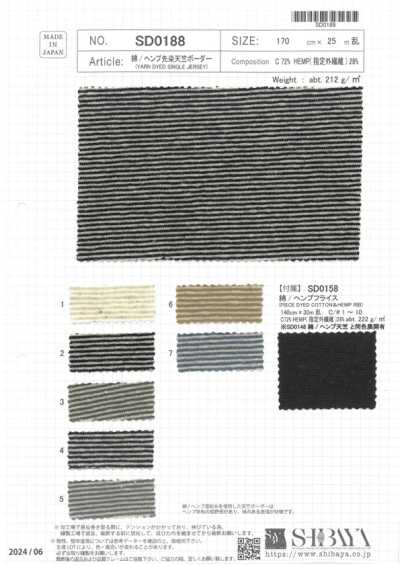
Contents6 sections
Definition and Overview
Jersey cotton is a plain-woven fabric made mainly from cotton. It has the basic structure of plain weave, in which warp and weft yarns are interlaced one by one alternately, resulting in a relatively even, clean surface.
Hand and Function
In general, it has the natural cotton feel and absorbency, with a smooth appearance. In lighter fabrics, it is easier to achieve lightness and breathability, while those made with thicker yarns or higher density have a firmer hand.
Because it is a woven fabric, its stretch is generally limited, and it does not follow body movement as well as knit fabric. On the other hand, its stable weave makes it easy to maintain its shape during cutting and sewing.
Main Applications
It is used for shirts, blouses, dresses, skirts, pajamas, and children's clothing. By checking thickness and sheerness, it can be considered for a wide range of garments, from light spring and summer wear to year-round apparel.
In addition to natural and solid colors, it is also sometimes used as a base fabric for piece dyed or printed goods. In light-colored, thin fabrics, sheerness is more likely, so they are designed with a lining or with the assumption that they will be worn with inner layers.
How to Choose and Handling Precautions
When selecting, check not only the blend ratio but also the fabric weight, density, fabric width, sheerness, firmness, and softness with the actual fabric. Even with the same Jersey cotton name, thickness, appearance, and sewability differ depending on yarn count and finishing.
For fabrics made mainly from cotton, shrinkage is likely with washing, and in dark colors, color fading and color transfer must also be considered. Before full production, perform a water soak or washing test and reflect the shrinkage rate in the pattern and specifications. In sewing, align the grain, and for thin fabrics, pay attention to needle holes and seam puckering.
- Before cutting, let the fabric relax to settle skewing and wrinkles.
- For thin fabrics, consider a fine needle and sewing thread in a suitable fine count for the fabric.
- Because the edges fray, finish the edges with overlock finishing or flat-felled seams.
Differences from Similar Terms
Jersey generally refers to jersey knit, that is, a plain knit with different front and back sides made from knit and purl stitches. Jersey cotton refers to a plain-woven fabric, so although the names are similar, the structure, stretch, and handling during cutting and sewing are different.
Sheeting is also treated as a cotton plain weave, but the intended use, yarn usage, and density range are not fixed. Even fabrics called Jersey cotton are not standardized, so it is important to check not only the name but also the fabric specifications and the actual fabric.
Frequently Asked Questions
Is Jersey cotton the same as jersey knit?
No. Jersey cotton refers mainly to a cotton plain weave, while jersey knit refers to a knit plain stitch. Jersey knit has stretch and the edges tend to curl, whereas Jersey cotton is stable as a woven fabric and tends to fray.
Does Jersey cotton shrink when washed?
Jersey cotton made mainly from cotton may shrink during washing or drying. The amount of shrinkage varies depending on the yarn, weave density, dyeing and finishing, and washing conditions. In garment production, check the shrinkage rate with a preliminary washing test and, if necessary, perform water soaking or dimensional correction.