Twill Line
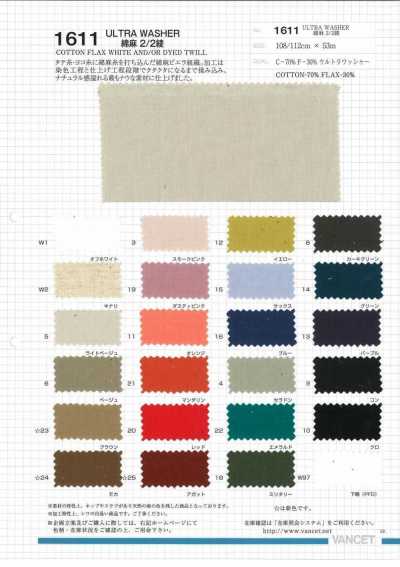
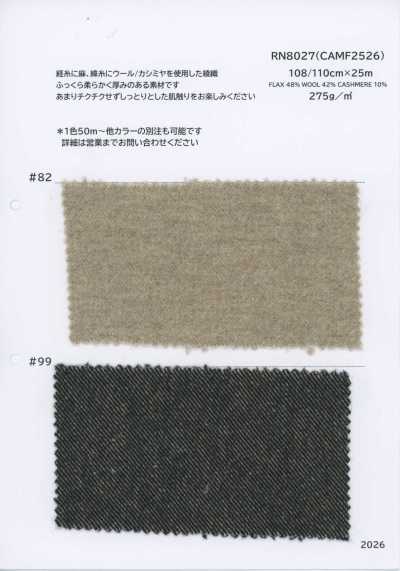
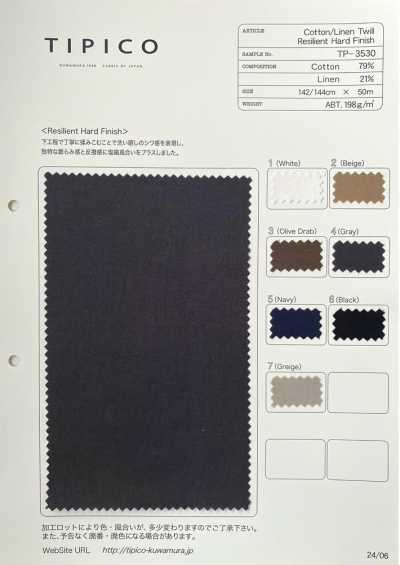
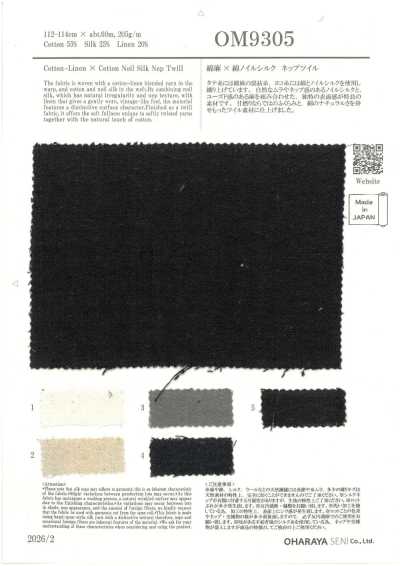
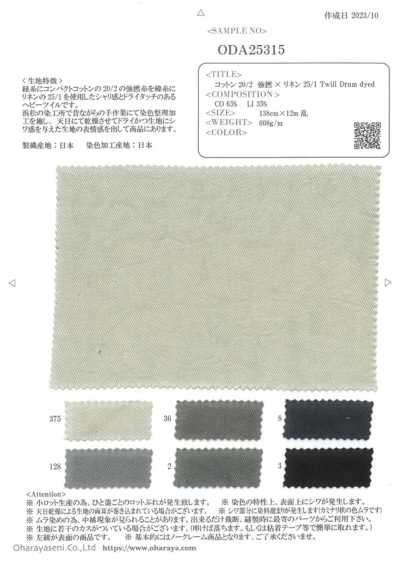
A twill line is a continuous diagonal rib pattern that appears on the fabric surface when the intersections of warp and weft shift in a regular pattern in a twill weave.

Contents6 sections
Definition and Overview
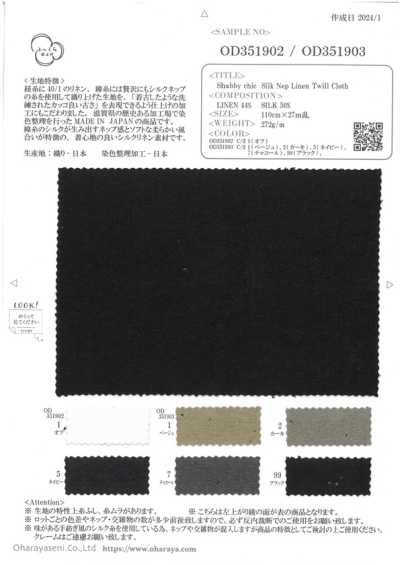
A twill line refers to the diagonal rib-like lines seen in twill weave. It is formed as warp or weft floats that appear long on the surface shift position little by little as the weave progresses. In English, it is called a twill line, or a wale.
A twill line itself is not the name of a weave structure or a fabric name, but the way the surface appears as a result of the weave structure. The angle, thickness, and clarity of the twill line vary depending on the weave structure, yarn thickness and twist, density, dyeing, and finishing.
Features and Appearance
Diagonal twill lines give fabric a sense of depth and direction. Clear twill lines create a casual and strong impression, while fine, even twill lines tend to look refined and sharp. Using thick-count yarn or differences in yarn thickness accentuates the raised-and-lowered texture.
Twill fabrics are generally more supple than plain weave fabrics, and depending on density and material, they also tend to drape more easily. However, thickness, firmness, absorbency, and durability are not determined by the twill line alone, so the raw material, yarn, weave structure, and processing must all be checked together.
- There are twill lines that slant up to the right and twill lines that slant up to the left.
- Depending on the direction of light and the viewing angle, the shadows and light-dark contrast of the twill line may appear to change.
- For fabrics where the twill line appears differently on the front and back, specify the side to be used before cutting.
Main Applications
Fabrics with clear twill lines are used for jackets, pants, skirts, dresses, coats, and more. They are also suitable for casual wear, uniforms, workwear, and bags that make use of durability and surface texture.
Because they are made in a wide range from lightweight to heavyweight fabrics, seasonality cannot be determined by twill line alone. Fine-count, lightweight fabrics are also used for spring and summer shirts and blouses, while thick-yarn, high-density fabrics may be used for autumn and winter bottoms and outerwear.
Selection and Handling Notes
When choosing fabric, in addition to the size and direction of the twill line, check the fabric weight, density, blend ratio, stretch, and finish. If you want to emphasize the diagonal appearance in the product, choose one with a clear twill line; if you prioritize pattern or design, choose one with a finer, more subdued twill line.
Because of the nature of the weave structure, twill fabrics may skew under washing or wear. This is especially important for fabrics with a pronounced twill line direction: cut accurately along the grain and align the twill line direction for left and right pieces. Since the degree of shrinkage and color fading varies depending on the material and processing, carry out washing tests and pre-washing before mass production.
In sewing, when using heavy fabric with a large twill line texture, be careful of seam slippage and puckering. Set the needle, thread, presser foot pressure, and thread tension to suit the fabric, and check seam sinking and surface fading on a sewing sample.
Differences from Similar Terms
Twill is the name of a weave structure that creates diagonal lines. A twill line refers to the diagonal streaks that appear on the fabric surface due to that twill weave. Twill is a broad term for twill weave or fabric made with twill weave, while a twill line is an appearance characteristic of twill.
A rib is a broad term for a streak-like raised-and-lowered texture that appears on the fabric surface. A twill line also appears rib-like, but it differs in that it is a diagonal line derived from the twill weave structure. Herringbone, meanwhile, is a pattern and weave structure in which the direction of the twill line is reversed partway through to form a continuous chevron shape.
Frequently Asked Questions
Do twill line and twill mean the same thing?
No, they do not mean the same thing. Twill is a term for twill weave, or fabric made with twill weave. A twill line, on the other hand, refers to the diagonal streak pattern that appears on the surface of twill and other twill fabrics. It is not a fabric name, but a term used mainly to describe appearance and how the weave presents itself.
Do twill line directions need to be matched during cutting?
In many cases, yes. If the direction of the twill line is mixed between the left and right body panels, the front and back of pants, pockets, and so on, the reflection of light and shadows will look different, creating an uneven appearance like a color difference. Before cutting, check the front and back and the direction of the twill line, and note it in the specifications as well.
Do fabrics with strong twill lines become diagonal after washing?
Not solely because the twill line is strong, but twill fabrics can skew due to forces during washing or wear. They are also affected by the material, density, finish, and sewing conditions. It is important to carry out fabric testing and washing tests before productization to check shrinkage and twisting.