Ultra-high-molecular-weight Polyethylene
Ultra-high-molecular-weight polyethylene is a synthetic fiber made from polyethylene with very long molecular chains, characterized by high strength, abrasion resistance, and light weight.
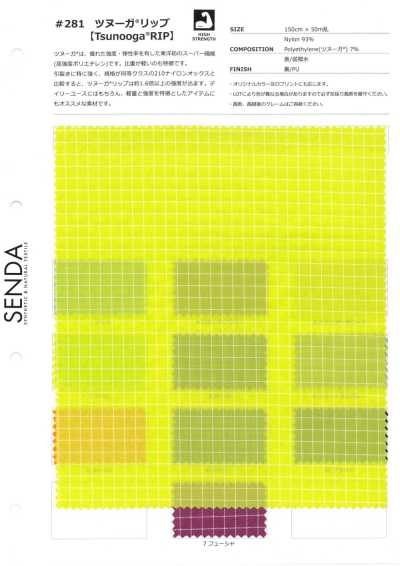
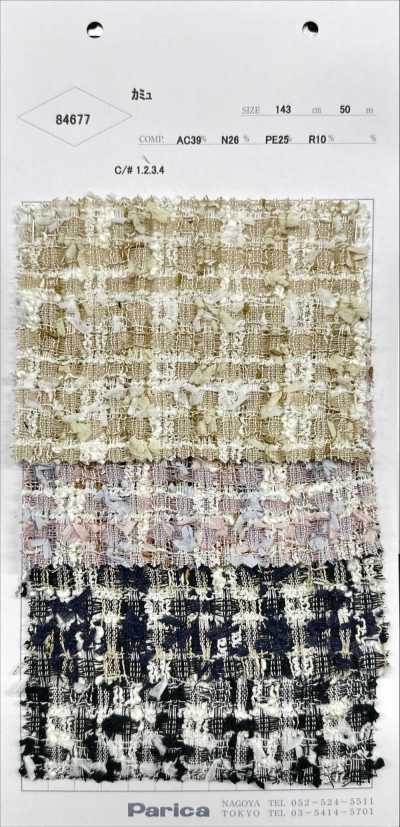
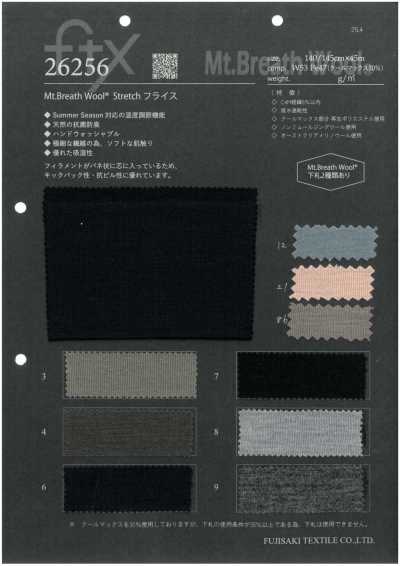
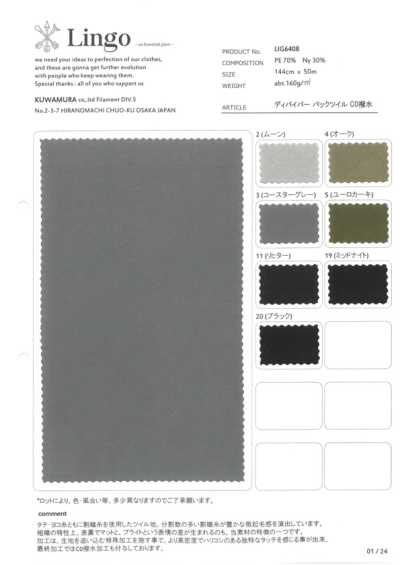
Contents6 sections
Definition and Overview
Ultra-high-molecular-weight polyethylene is a material made by fiberizing resin with a much higher molecular weight than ordinary polyethylene. For apparel, it is used on its own or blended with nylon, polyester, and similar materials to help improve fabric strength and abrasion resistance.
The term “ultra-high-molecular-weight” refers to the molecular structure of the material and is not the name of a weave or knit structure. Also, even if a material has high strength, the strength and cut resistance of the finished product should be judged by considering the structure, blend ratio, sewing specifications, and other factors.
Features and Hand
It is lightweight yet offers excellent tensile strength and abrasion resistance, and is characterized by low water absorption. When used as filament yarn, it tends to have a smooth, slightly stiff feel, and the hand changes greatly depending on the fabric thickness, structure, and blended materials.
The fiber itself is difficult to dye, and it may be hard to obtain vivid colors or dark shades. For that reason, solution-dyed yarn, union fabric or union knit with other materials, and surface finishes may be combined. Luster and appearance should also be checked not from the fiber alone, but through fabric design and processing conditions.
It is suitable for applications that require abrasion resistance and cut resistance, but it is not a highly heat-resistant material. To avoid heat-related deformation or shrinkage, care is needed with temperature conditions for ironing, drying, and adhesive processing.
Main Applications
Its light weight and durability make it useful for outdoor outerwear, pants, bags, and reinforcement fabrics. It may also be used for reinforcing areas that are subject to friction, or for gloves and workwear where cut resistance is a consideration.
Because it does not absorb much water, it is suitable for outdoor use since it does not become heavy from moisture. On the other hand, because it is not primarily intended for warmth retention or moisture absorption, autumn and winter garments use quilt batting, lining, and layering to provide the necessary wearing comfort.
- Outdoor outerwear, shells, and pants
- Reinforced parts of bags, pouches, and gear
- Materials for workwear and protective applications
- Reinforcement for elbows, knees, bottoms, and other high-friction areas
Selection and Handling Notes
When selecting it, check not only the blend ratio but also fabric weight, structure, surface finish, and test values such as tear strength and abrasion strength according to the intended application. If cut resistance is required, evaluate based on the structure of the finished product, the protection area, and related performance requirements, rather than judging performance by the fiber name alone.
Washing methods vary depending on the blended materials and processing, so follow the product label and the conditions provided by the fabric supplier. In general, avoid high-temperature washing, tumble drying, and hot ironing, and check before mass production whether there is heat shrinkage, deformation, or surface change. Dimensional change from washing should be tested for each fabric.
During sewing, the fabric may be slippery, so be careful of shifting during cutting, seam misalignment, and puckering. Also consider the effects of needle heat, and adjust needle size, sewing thread, sewing speed, and presser foot pressure in advance; then confirm seam appearance and strength with trial stitching.
Differences from Similar Terms
Polyethylene is a broad term for resin in general, while ultra-high-molecular-weight polyethylene is a type with a higher molecular weight. Even if a material is made of polyethylene, not all types have the same strength or applications.
Aramid is also a synthetic fiber used in high-strength applications, but its heat resistance, specific gravity, dyeability, weather resistance, and other properties differ from ultra-high-molecular-weight polyethylene. It is important to compare the required performance in terms of abrasion resistance, heat resistance, flame resistance, weight, and so on.
Frequently Asked Questions
Can ultra-high-molecular-weight polyethylene be washed at home?
Whether it can be washed depends not on ultra-high-molecular-weight polyethylene itself, but on the blended materials, weave or knit structure, coating, and so on. In general, high temperatures should be avoided, so follow the care label and check shrinkage, appearance, and strength after washing before mass production.
Can ultra-high-molecular-weight polyethylene fabric be dyed?
Because of the surface properties of the fiber, it is difficult to dye using ordinary methods, and there may be limitations on color selection and color fastness. If color is important, check each fabric for whether solution dyeing is possible, how it looks when blended with other fibers, and its suitability for printing or surface finishing.
Is ultra-high-molecular-weight polyethylene the same as aramid?
No, they are not the same. Both are used in applications that take advantage of their strength, but the polymers used as raw materials are different. Ultra-high-molecular-weight polyethylene is characterized by light weight and abrasion resistance, while aramid is sometimes considered for applications that emphasize heat resistance and flame resistance.