Mixed Yarn
Mixed yarn is yarn made by combining raw materials or fibers with different properties or colors, then spinning or twisting them together to create colors, texture, and functions that are difficult to achieve with a single material.
Contents6 sections
Definition and Overview
Mixed yarn is yarn made by combining raw materials or fibers of different types or colors. It can be produced either by blending materials at the raw-material stage and spinning them, or by twisting multiple yarns together, and the finished result varies greatly depending on the material composition and manufacturing method.
This is not the name of a woven or knitted structure, but a term for yarn composition and manufacturing method. It may also be used as a fabric name, but the term only indicates mixed twisting and does not allow you to determine the blend ratio, twisting method, or yarn thickness.
Texture and Functional Characteristics
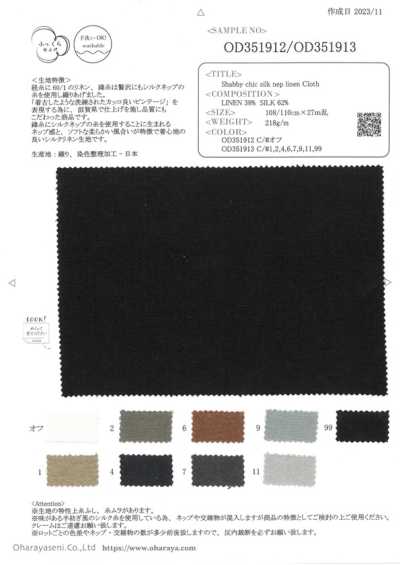
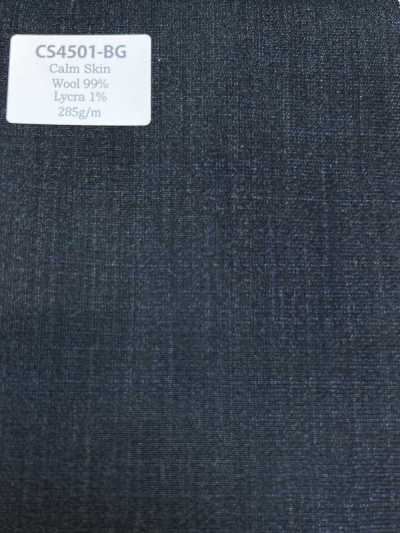
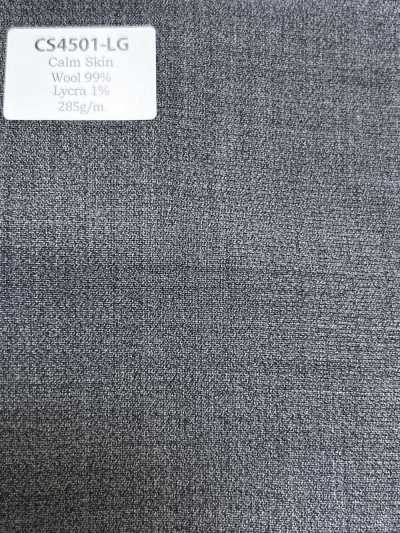
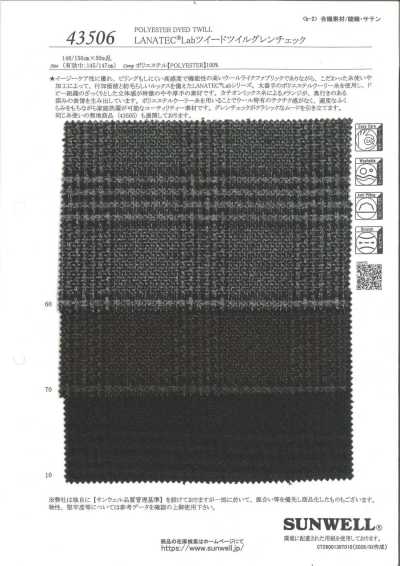
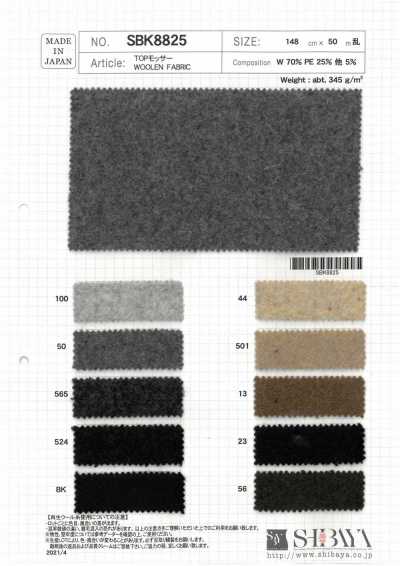
Mixed yarn made with raw materials of different colors is characterized by the way the fibers blend finely together, making it easy to create deep, heathered or mottled color tones. When combined with knitting patterns or weave structures, the color appearance becomes softer and the fabric takes on a calmer look.
When combining different materials, it is possible to design to take advantage of the hand feel of one material and the elasticity or shape recovery of the other. However, moisture absorption, heat resistance, and tendency to fuzz are also affected by the material combination, so the fact that it is mixed yarn does not guarantee any specific performance.
Main Applications
It is used for sweaters, cardigans, cut-and-sew items, jackets, pants, and more, making use of its depth of color and material texture. In particular, for knitted fabrics that emphasize a heathered look, it is easy to create products with character while remaining solid, and it is often seen in autumn and winter apparel.
Mixed yarn combining cotton with elastic synthetic fibers is also used in shirting, seersucker, and casual apparel. Applications are determined not only by the yarn itself, but also by the fabric structure, density, fabric weight, and finishing process.
How to Choose and Handling Notes
When selecting, check not only the name mixed yarn, but also the blend ratio, yarn composition, twist, knit or weave structure, and finishing process. If you prioritize a heathered look, confirm the color difference and appearance; if you need stretch, confirm the elongation recovery rate; and if the product will be washed, confirm dimensional change after washing through testing.
For mixed materials, shrinkage during washing, dyeability, and drying speed may differ. Before cutting and sewing, relax the fabric, and if necessary, carry out hot-water scouring or straightening. In sewing, it is important to set needle, thread, and feeding conditions that match the fabric's stretch and thickness, and to check for puckering and seam waviness.
- Perform a wash test before mass production to confirm shrinkage rate and skew.
- Check heathered fabrics with strong light and dark contrast, as the color appearance may vary between lots.
- Determine iron temperature and whether steam can be used according to materials with low heat resistance.
Differences from Similar Terms
Blended fiber refers to mixing multiple fibers and making them into a single spun yarn. Mixed yarn may also include a blended spinning process, but it is also used when different yarns are twisted together, so it may be treated as a broader practical term than blended fiber.
Union fabric means weaving with warp and weft yarns of different materials, and mixed knitting means knitting different yarns separately within a knitted fabric. These indicate the composition at the fabric-making stage, whereas mixed yarn mainly indicates the yarn stage before it becomes fabric. High-twist yarn is yarn with a greater number of twists, and it is distinguished from mixed yarn, which means a combination of different materials or colors.
Frequently Asked Questions
Are mixed yarn and blended yarn the same?
They are sometimes treated as synonyms, but strictly speaking, confirmation is needed. Blended yarn generally refers to yarn made by mixing multiple fibers and spinning them. Mixed yarn, on the other hand, indicates a combination of different materials or colors in yarn or raw materials, and may be used for both combinations at the spinning stage and combinations at the twisting stage.
Does fabric made from mixed yarn shrink easily?
Shrinkage depends not only on whether it is mixed yarn. It varies according to the types of materials and blend ratio, yarn composition, knit or weave structure, and dyeing and finishing processes. Because dimensional changes can be more likely when natural fibers are included or in knitted fabrics, it is important to conduct shrinkage tests suited to the washing method before mass production.