Vat Dye
Vat dye is a dye for cellulose fibers such as cotton, in which a dye that is difficult to dissolve in water is reduced, penetrates the fibers, and is then oxidized to develop color and set.

Contents6 sections
Definition and Dyeing Mechanism
Vat dye is a dye that does not readily dissolve in water as it is. During dyeing, it is reduced and changed into a water-soluble state, allowed to penetrate the fibers, and then returned to its original insoluble state by air or an oxidizing agent to develop color.
In the Japanese fabric industry, it is also called sulfur dye. It is mainly used for cellulose fibers such as cotton, linen, and rayon, and refers not to the name of a dye itself but to a classification of dyes based on this dyeing principle.
Color Tone and Performance Characteristics
In general, it can provide durable dyeing that is highly resistant to fading from washing and sunlight. It is often chosen for applications where lightfastness is especially important, and for light to medium shades vat dyes are used, while for dark shades sulfur dyes may be used instead.
The dyeing method itself does not determine the weave or knit, thickness, or softness of the fabric. However, because it goes through wet processes such as reduction, oxidation, and washing, the fabric's firmness, drape, and surface feel may vary depending on the finishing conditions.
Main Applications
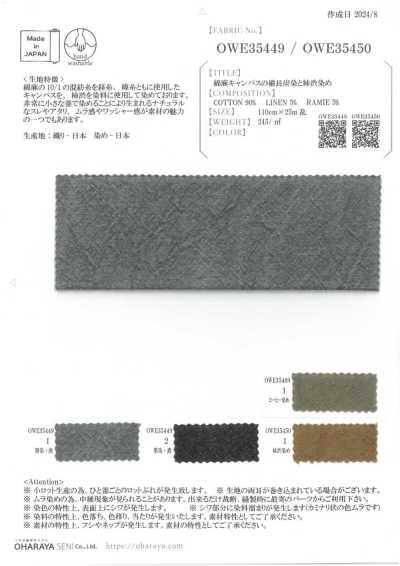
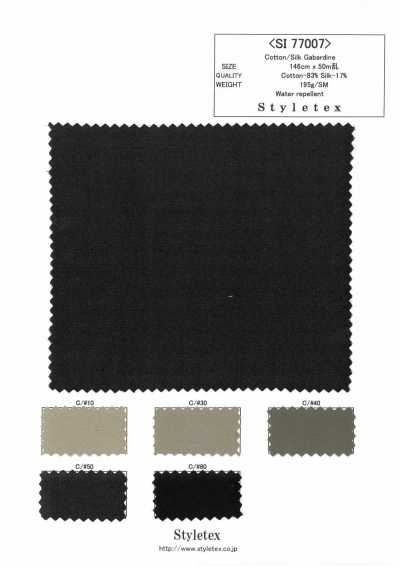
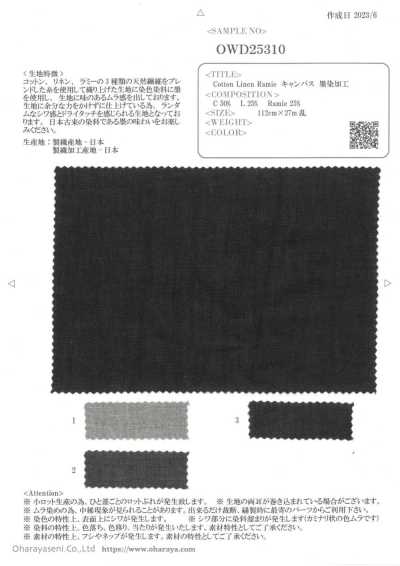
It is used for cotton woven and knitted fabrics where lightfastness and washing fastness are important. In addition to shirts, pants, workwear, and casual wear, it is also suitable for apparel fabrics and interior applications that are exposed to sunlight.
It is used not only for fabric dyeing but also for yarn dyeing. In yarn dyed fabrics where the warp and weft are dyed different colors, a deep color tone and appearance can be designed by combining the weave structure and color arrangement.
- Cotton shirts and blouses
- Pants and casual wear such as chinos and twills
- Uniforms and workwear
- Products such as curtains that are easily exposed to sunlight
Selection and Handling Notes
When adopting it, check the required lightfastness, washing fastness, and rubbing fastness for the desired color, by fabric, color, and processing conditions. Because fastness is not determined uniformly by dye type alone, it is important to judge based on test results and actual samples.
Whether shrinkage occurs and the shrinkage rate cannot be determined by whether it is a vat dye alone. It varies depending on the material, weave, scouring, and finishing after dyeing, so before mass production, carry out water soaking and washing tests and reflect the results in the pattern.
In sewing, especially for dark-colored items, check for color transfer and staining due to friction with sewing thread, interlinings, and trims. To prevent cutting waste and dirt during sewing, and when product washing is performed, evaluate the color tone, dimensions, and seam condition after washing in advance.
Differences from Similar Terms
Reactive dye is a dye that is applied in a water-soluble state, and the dye bonds with the fiber to set. Vat dye differs in that it is temporarily made soluble by reduction and becomes insoluble inside the fiber after oxidation.
Sulfur dye is also mainly used for cellulose fibers and is a dye applied by reduction. It has a process similar to vat dye, but differs in color range, fastness characteristics, and the shades it is good at. In general, the two are not treated as names with the same meaning.
Frequently Asked Questions
Are vat dye and sulfur dye the same?
In many cases, vat dye and sulfur dye refer to the same type of dye. Sulfur is a common term, and in the field or fabric descriptions, it may be written as sulfur dyeing. When ordering, also confirm the target material, color, and required fastness.
Does vat dye prevent color fading?
Vat dye generally tends to be resistant to washing and light, but that does not mean color fading will never occur. Performance varies depending on whether the color is dark or light, the material, after-treatment, and washing conditions. Check the test items suitable for the application, such as washing, rubbing, perspiration, and lightfastness.
Will cotton fabric dyed with vat dye shrink?
Shrinkage is not determined by the dye alone, but depends on the cotton structure, density, finishing after dyeing, washing method, and more. Especially for products intended to be washed in water, conduct washing tests at both the fabric stage and product stage, and determine the shrinkage rate before setting the fabric requirement and pattern.