Sulfur Dyeing
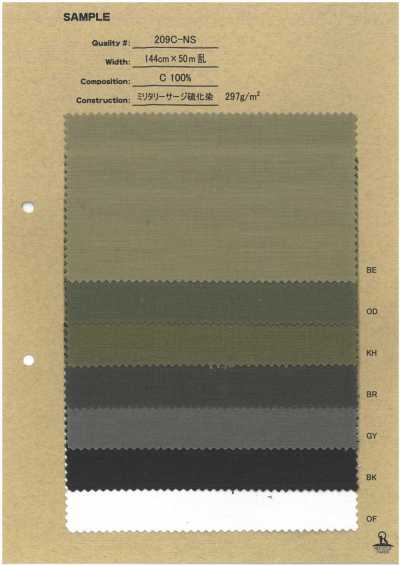
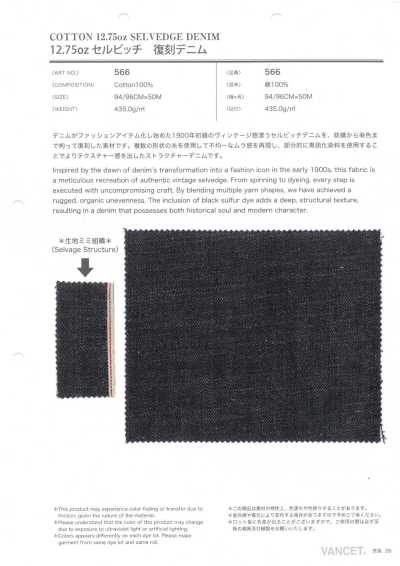
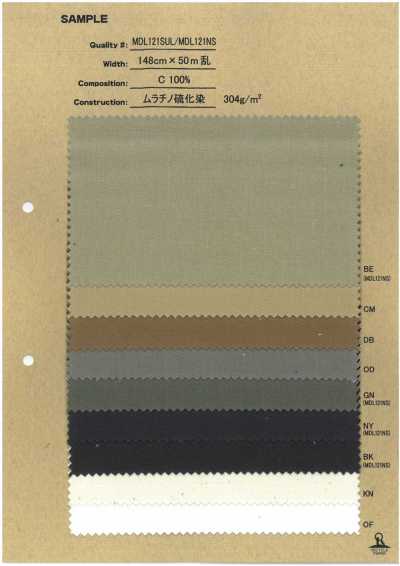
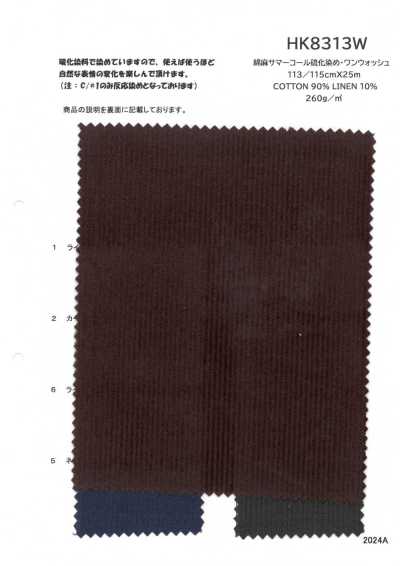
Sulfur dyeing is a dyeing method that mainly colors cellulosic fibers such as cotton with sulfur dyes, making it easy to create natural fading and fading from washing and friction.
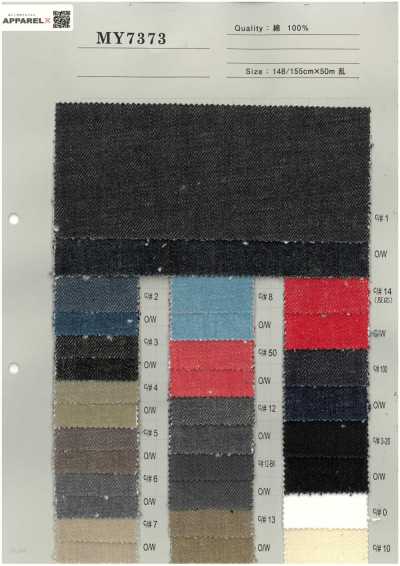
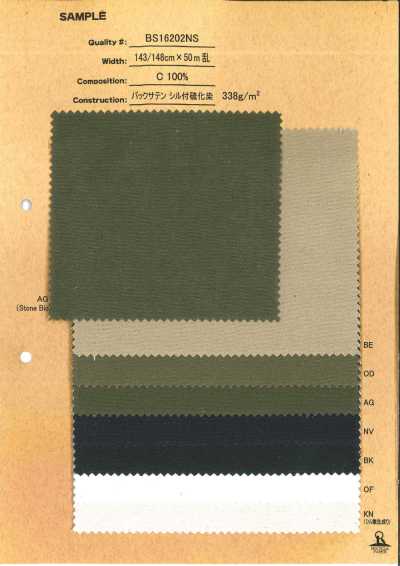
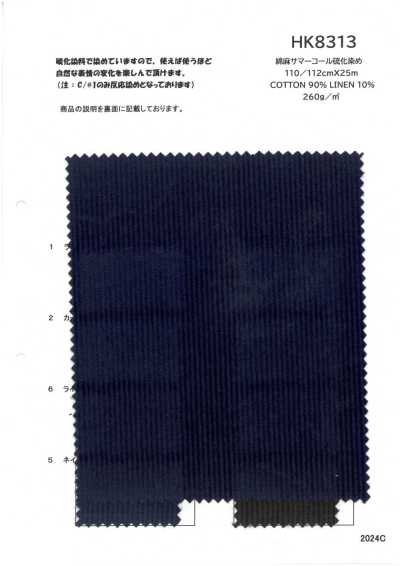
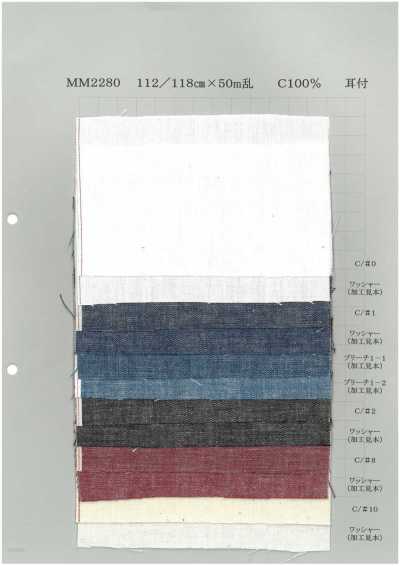
Contents6 sections
Definition and Overview
Sulfur dyeing is a dyeing method in which insoluble sulfur dyes are reduced to penetrate deep into the fibers and then oxidized to produce color and fix it. It is mainly used for cellulosic fibers such as cotton, and can express deep, subdued tones.
It is often carried out as piece dyed after the textile has been woven, and can be used regardless of structure or yarn use. However, sulfur dyeing is not the name of a textile or woven structure; it is a term for the dye and the dyeing method.
Texture and Appearance Characteristics
A characteristic of sulfur dyeing is that the color gradually fades with repeated wear and washing, and whitish fading is likely to appear on seams, edges, and areas prone to friction. The uneven, natural faded look gives the material a worn-in appearance.
The final color tone, the speed of fading, and how the fading appears vary depending on the type of fiber, structure, dye, after-treatment, and washing conditions. Being sulfur dyed alone does not determine functions such as softness or durability.
Main Applications
It is used for pants, jackets, blousons, shirts, skirts, and similar items that make use of work, military, or casual styling. It can also be combined with cotton woven fabrics that have moderate density and firmness, such as serge and down proof.
Because it is easy to treat age-related change as part of the design, it is adopted without being limited to a particular season. It is especially considered for items worn as outer layers and for plans that seek a rough look created by washing.
Selection and Handling Notes
At the planning stage, check not only the hue but also color change after product washing, wash fastness, and rub fastness. For dark colors, it is important to perform rubbing tests in both dry and wet states and anticipate color transfer to light-colored linings, pocket bags, tapes, bags, and similar parts.
Shrinkage is not determined by sulfur dyeing alone, but is affected by the material, structure, finishing, and washing method. Before cutting and sewing, allow the fabric to relax and perform a test wash to confirm shrinkage rate and skew, then reflect the results in the pattern. If product washing is planned, select accessories and sewing thread with the post-wash appearance in mind as well.
When washing, separating from other garments and avoiding long soaking or strong friction makes it easier to reduce color transfer and localized fading. Whether bleach can be used and how to dry the item should be determined based on the care label and test results for each textile.
- Select sewing thread with consideration for color differences that appear after the textile fades.
- Check in advance whether interfacing, adhesives, prints, and metal accessories will change or become soiled after product washing.
- Because color differences can occur between lots, secure the same lot and confirm the color when making additional production.
Differences from Similar Terms
Indigo dyeing is also a dyeing method enjoyed for color loss and fading, but the dye used is different. Since both can be characterized by appearance changes due to washing, compare the desired color tone, how the fading occurs, and the post-processing appearance using actual samples before choosing.
Pigment dyeing is a method in which pigment is fixed to the fabric surface with a resin binder. Its color development mechanism differs from that of sulfur dyeing, and the way surface changes appear through washing or friction also differs. Reactive dyes are dyes that bond with fibers to color them, and are a different type from sulfur dyes.
Frequently Asked Questions
Does sulfur dyed fabric always fade?
Sulfur dyed fabric tends to develop a faded look and fading through washing and friction, but the degree of fading varies depending on the dye, concentration, after-treatment, material, and usage conditions. Before adoption, it is necessary to perform wash and rub tests and a product wash test to confirm the acceptable appearance changes.
What should be noted when sewing sulfur dyed fabric?
Before cutting, allow the fabric to relax and check shrinkage rate, skew, and uneven color. With dark colors, also be careful of fading caused by rubbing during sewing, and color transfer to light-colored sewing thread and accessories. If product washing will be carried out, confirm the appearance with a trial wash including sewing thread, interfacing, tape, zippers, and other components.
Are sulfur dyeing and indigo dyeing the same?
No, they are not the same. Sulfur dyeing is a dyeing method that uses sulfur dyes, while indigo dyeing is a dyeing method that uses indigo dyes. Both may change in appearance through wear and washing, but the color development, fading, and post-processing appearance differ, so in planning, compare fabric samples and wash samples.
- Search products for "Sulfur dyeing"
- Products with material "Cotton"
- Products with material "Linen"
- Products with material "Rayon"
- Products for style "For Outerwear/blousons/coats"
- Products for style "For Pants"
- Products for style "For Jackets/Suits"
- Products for style "For Shirts/blouses"
- Products for style "For Uniforms/Workwear"
- Browse Textile products