Warp Satin · Weft Satin
Warp satin and weft satin are weave structures in satin weave that produce different lusters and textures by bringing long floats of warp yarns or weft yarns to the surface.


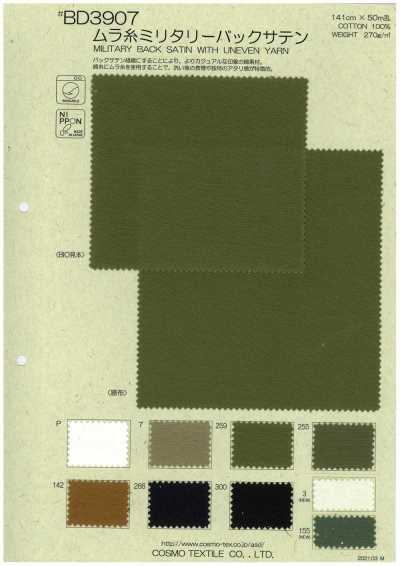
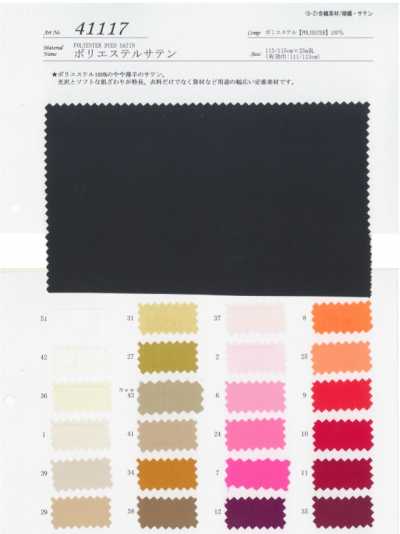
Contents6 sections
Definition and Overview
Satin weave is a weave structure in which warp yarns or weft yarns float over multiple yarns. Depending on the direction of the floating yarns covering the surface, those in which warp yarns are mainly visible are called warp satin, and those in which weft yarns are mainly visible are called weft satin. On the back side, yarns in the opposite direction to the surface appear more prominently.
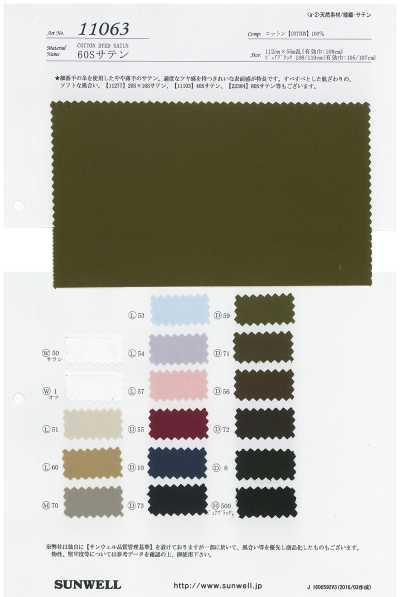
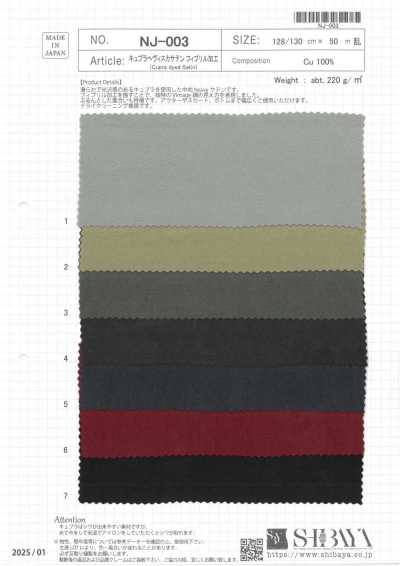
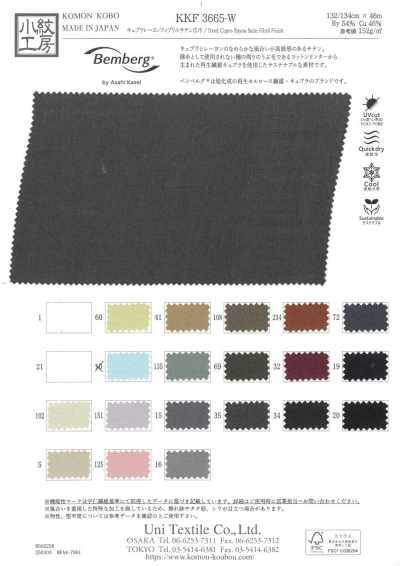
Warp satin is generally called satin, and weft satin is sometimes called sateen. However, since satin and sateen are used not only as weave names but also as common names for lustrous fabrics, it is important to check the front and back and the weave structure in specifications.
Characteristics
Because long floats reduce the number of interlacing points, this weave has a smoother surface than plain weave or twill weave, and it is more likely to develop luster when exposed to light. Depending on the fiber used, yarn thickness, twist, density, and finishing, the strength of the sheen, drape, and firmness can vary greatly.
In warp satin, the appearance is largely influenced by the quality of the warp yarns, and filament yarns tend to produce a clear luster. Weft satin can more easily bring out the texture of the weft yarns on the surface, and using spun yarns or thick weft yarns can create a soft sheen, a subdued appearance, and a substantial hand feel.
On the other hand, the surface floats are more susceptible to friction and snagging, so snags and loose yarns may stand out. Do not judge durability by weave structure alone; check abrasion and friction performance according to density, yarn selection, and intended applications.
Main Applications
Warp satin is used for dresses, blouses, skirts, formal wear, linings, bedding, and more, taking advantage of its smooth surface and luster. It can be designed from lightweight to heavy fabrics, and depending on the material and finish, it can be used for year-round items as well as seasonal products.
Weft satin is also used for sateen made with spun yarns such as cotton, fabrics with a brushed moleskin-like finish, and firm stretch materials. It is used for pants, jackets, casual wear, coverings, and other applications where softness and firmness are desired in addition to luster.
Selection and Handling Notes
When selecting, confirm whether the side you want to show is warp satin or weft satin, and evaluate the surface luster, back-side feel, sheerness, drape, and thickness using the actual material. Even with the same satin weave, performance and appearance differ depending on fiber type and blend ratio, density, and processing such as brushing or calendaring.
The degree of shrinkage, change in luster, and color fading caused by washing varies depending on the material and processing. In particular, with cotton and similar materials, the luster may become more subdued after washing, so before mass production, perform washing tests and confirm the shrinkage rate, and handle the product according to its care label.
When cutting and sewing, pay attention to slippery surfaces and grain misalignment. During cutting, stabilize the fabric, use precise notches, and during sewing, test the presser foot pressure, feed, needle, and thread tension in advance. When pressing, use a pressing cloth to prevent pressing marks and shine on the surface.
- Before cutting, check the surface across the entire roll so the front and back are not mixed up.
- For patterned materials or materials prone to differences in sheen, confirm whether one-way cutting is necessary.
- For applications where snagging is a concern, also check friction with trims and contact during wear.
Differences from Similar Terms
Satin weave is the general term for structures that include warp satin and weft satin. Satin often refers to warp satin, but it may also be used like a material name. Sateen may refer to weft satin, especially weft satin made with cotton and similar materials, but the name alone does not determine the weave structure or material.
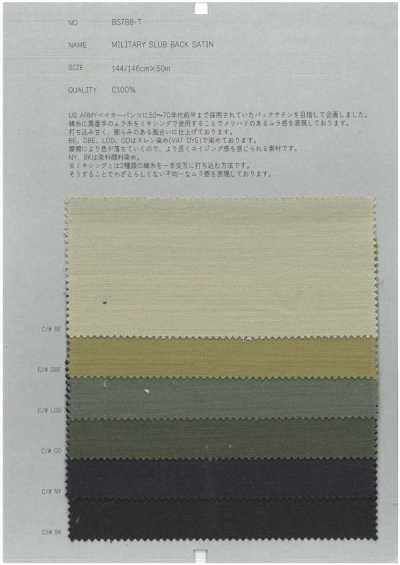
Back satin refers to a fabric in which the satin weave is placed on the back side rather than on the surface. Warp satin and weft satin classify the direction of the yarns appearing on the surface, whereas back satin refers to the arrangement of the weave structure on the front and back sides.
Frequently Asked Questions
Can warp satin and weft satin be distinguished by appearance alone?
In some cases, they can be inferred from the direction of the luster and the yarns that appear prominently on the surface, but the appearance changes depending on the material, dyeing, brushing, and processing. To identify it reliably, observe the weave with a magnifying glass or check the warp and weft float pattern using the fabric specification sheet or weave diagram.
Are satin and sateen the same fabric?
Both are names related to satin weave, but strictly speaking, satin is sometimes used for warp satin and sateen for weft satin. However, in practice they are also used as common names to describe texture and luster, so do not treat them as identical based on the name alone; check the weave structure and blend ratio.
What should you be careful about when sewing satin-weave fabrics?
The surface can be slippery, and needle holes, sewing shrinkage, presser marks, and snagging may stand out easily. Before full production, combine interfacing, needles, thread, stitch density, and presser foot pressure in trial sewing, and determine the conditions under which there is no grain misalignment or puckering.