


Whipcord
Whipcord is a durable twill-type woven fabric with a sharply angled twill weave that appears clearly as rib-like ridges, and has firmness and resilience.
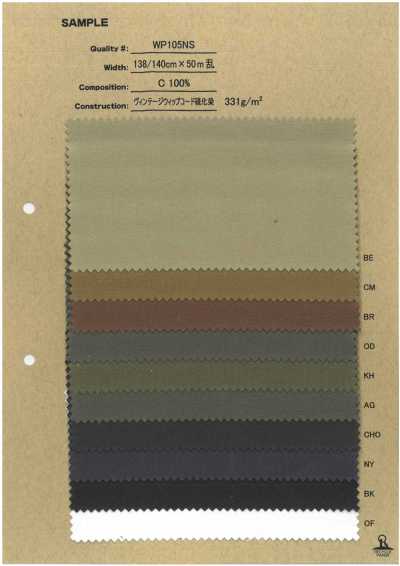
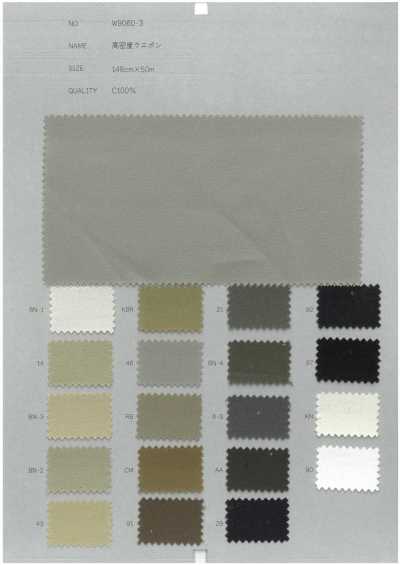
Contents6 sections
Definition and Overview
Whipcord is a woven fabric in which diagonal twill lines running at a relatively steep angle appear on the surface as fine cord-like ribs. It is generally woven with a high density, and the twill structure and yarn use create a clear twill line and a firm body.
Wool is the most typical material, but cotton and polyester may also be used. For this reason, whipcord is treated not as a material name but mainly as a fabric name that focuses on the ribs, structure, and texture of the surface.
Hand and Function
The surface shows continuous diagonal ribs, giving even a solid fabric a sense of depth. The fabric is relatively crisp and resilient, and it tends to tailor well; however, its firmness, thickness, and sheen vary greatly depending on the material, yarn thickness, density, and finishing.
In high-density constructions, it tends to resist wear and keep its shape. Wool versions are easier to give elasticity and warmth, while blends with synthetic fibers can add lightness and ease of handling. It is important to check the blend ratio and finishing to understand the performance.
Main Applications and Season
It is used for items that require durability and a neat appearance, such as pants, jackets, suits, uniforms, workwear, and coats. Because the direction of the twill line is visible, it is well suited to designs that make the fabric's texture stand out even in simple shapes.
Medium to heavyweight types are common, and it is generally used in fall and winter clothing. However, if the material and fabric weight are designed to be lighter, it may also be used for spring and summer pants or jackets. Applications are judged by thickness, fabric weight, and blend ratio.
Selection and Handling Notes
When selecting, check the rib width and twill angle, fabric weight, fabric width, blend ratio, and stretch. For pants and uniforms, it is easier to judge suitability by testing abrasion strength, and for jackets, by also checking crispness and drape in tests or with an actual sample.
Shrinkage and appearance changes during washing depend on the fiber type and finishing. Before cutting, let the roll rest, and if necessary, wet it out or sponge it, then carry out a washing test before mass production. In particular, for wool blends, management according to the product's care label is required.
Because the twill lines run diagonally, cut accurately along the grain and align the direction of the twill lines on the left and right pieces. In sewing, pay attention to thickness differences and press marks at bulky areas, and adjust the needle, thread, and feed conditions through test sewing.
Differences from Similar Terms
Whipcord is treated as a type of twill or as a twill-family fabric name, and its defining feature is a sharply angled, clearly defined ribbed twill line. Twill is a broader term for twill fabrics in general, and its structure and appearance cover a wider range than whipcord.
Gabardine is also a high-density woven fabric with a steep twill line, but the way the name is used can overlap with whipcord depending on the material, yarn use, place of origin, and trade practices. When ordering, do not decide by name alone; check the actual sample and specifications.
Frequently Asked Questions
Is whipcord the same as gabardine?
Both may feature a steep twill line, and in practice their appearance and applications may be similar. However, the scope of the names does not match exactly. Check the type of yarn, density, rib visibility, fabric weight, and finishing using a fabric swatch and specifications before selecting.
Can whipcord be machine washed at home?
Whether it can be machine washed at home is not determined by the name whipcord alone. It depends on the wool blend ratio, whether shrink-resisting finishing has been applied, and the dyeing and post-finishing. Carry out washing tests at the fabric stage, and set the care label for the product based on the material and test results.





