Muslin
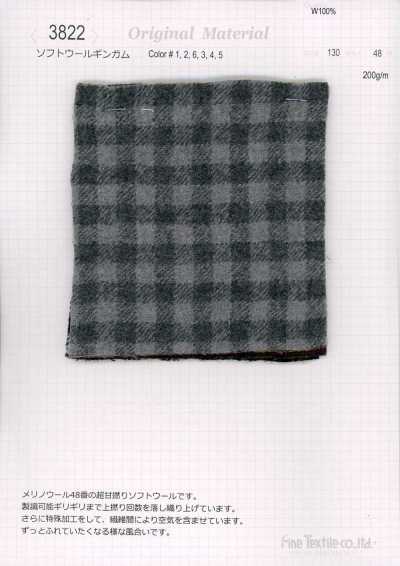
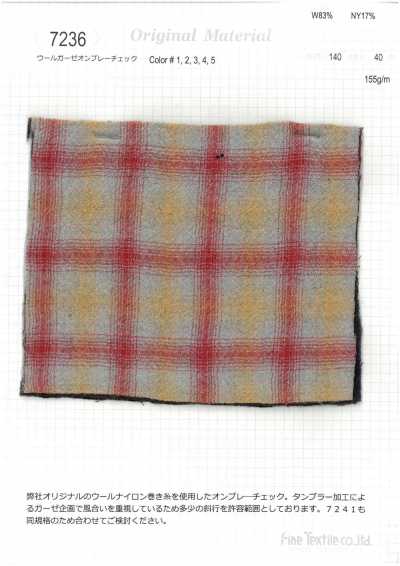
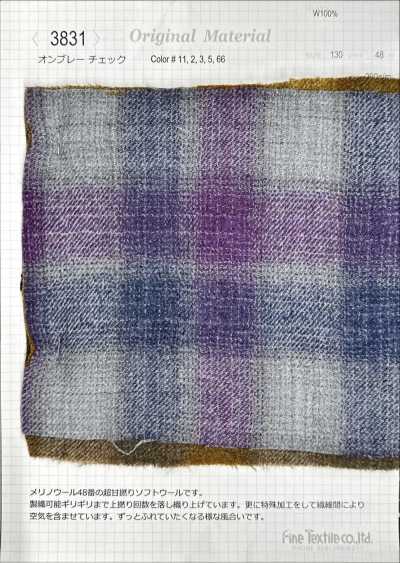
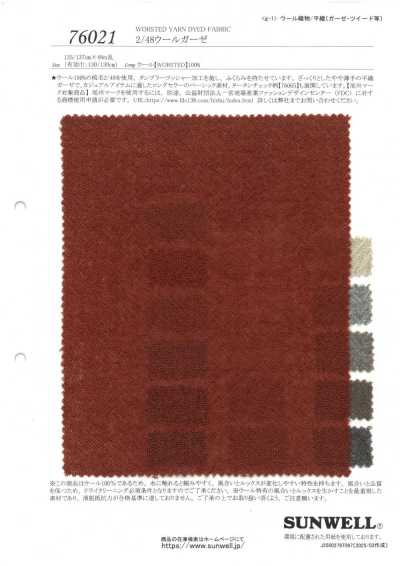
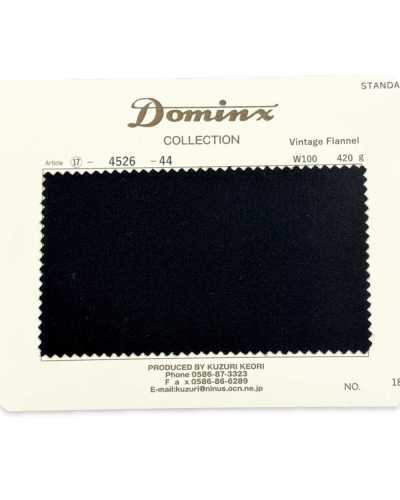
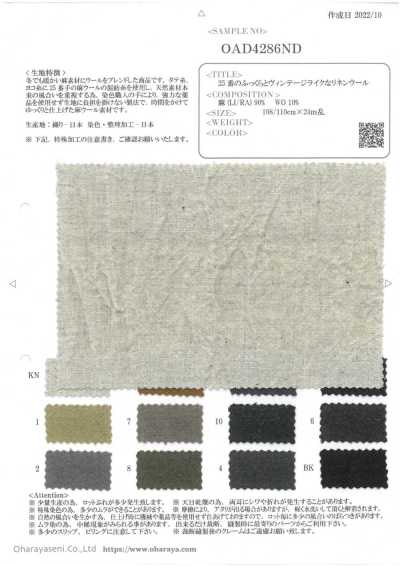
Muslin is generally a lightweight plain-woven wool fabric made from fine wool yarn such as worsted yarn, with a soft and light texture.

Contents6 sections
Definition and Overview
Muslin generally refers to a lightweight woven fabric made primarily from wool, and it is often made in plain weave. In Japan, it is also called merin, and it is used as a traditional term linking the material name and weave structure.
However, the term muslin varies in usage depending on the region and distribution sector, and it may also refer to lightweight fabrics made of cotton, silk, or synthetic fibers. When selecting fabric, confirm not only the name but also the blend ratio, weave, fabric weight, and finish.
Features
Lightweight muslin made with fine-count yarn has lightness, softness, and moderate drape. It can make use of wool's moisture absorption and heat retention, and it is characterized by a relatively gentle feel against the skin.
Depending on the density, yarn twist, and whether it is fulled, the sheerness, firmness, fuzziness, and warmth can vary greatly. While loosely woven fabrics are more likely to trap air, care is needed to avoid friction and snagging.
- It has a subdued surface appearance, with the fine weave pattern typical of plain weave.
- Even as a lightweight fabric, it may have wool's characteristic loft and a slightly dry hand.
- Depending on the finish and blend, it ranges from smooth to slightly fuzzy.
Main Applications
Muslin is used for blouses, one-piece dresses, skirts, dresses, and scarves, taking advantage of the balance between lightness and warmth. It is suitable for lightweight tailoring and, depending on the material design, can also be used for transitional-season clothing, not just autumn and winter.
For lightweight fabrics with sheerness, they are designed on the assumption that they will be paired with linings or petticoats. Outside of clothing, they may also be used for soft fashion accessories or costume applications.
How to Choose and Handling Notes
During planning, confirm the blend ratio, fabric weight, density, sheerness, and shrinkage rate, and determine the strength and drape required for the application. Because dimensional change and surface change after washing vary depending on processing, it is important to conduct washing tests and sewing tests with the actual material before mass production.
Fabrics with a high wool content may shrink or felt when washed in water. Whether home washing is possible depends on the care label and fabric specifications, and if the product will be water-washed, also confirm whether shrink-resist treatment has been applied.
Lightweight fabrics are prone to seam slippage, seam puckering, and fraying at the seam allowance, so choose a fine needle and fine-count sewing thread suited to the fabric. Align the grain before cutting, and if necessary, stabilize with seam finishing or partial interfacing.
Differences from Similar Terms
Cotton muslin refers to a lightweight plain weave fabric woven from cotton, and its material characteristics differ from muslin made primarily from wool. Do not judge the material by the name alone; it is necessary to confirm the blend ratio.
Voile is a lightweight fabric characterized by a crisp feel and sheerness created by highly twisted yarn, and it may feel firmer than muslin. Gauze is a loosely woven fabric that is soft and airy, and its weave density and appearance differ from those of typical muslin.
Chinese crepe is sometimes treated as another name for muslin, but chirimen often refers to woven fabrics with a textured surface created by highly twisted yarn, and it is not necessarily the same specification as plain-weave muslin.
Frequently Asked Questions
Can muslin be washed at home?
Wool-based muslin may shrink, felt, or change texture when washed in water. Whether it can be washed at home depends on whether shrink-resist treatment has been applied and on the blend ratio, so follow the product care label. During planning, confirm the dimensions after washing with test fabric and the product.
Are muslin and cotton muslin the same fabric?
No, they are not the same. Muslin is also used as a name for a lightweight woven fabric, while cotton muslin is made of cotton and wool muslin is made of wool. Moisture absorption, warmth, behavior during washing, and surface feel differ by material, so confirm the material label and fabric specifications.
What should be noted when sewing muslin?
Lightweight muslin is prone to shifting during cutting and sewing, and needle holes, puckering, and fraying at the seam allowance may stand out. Before sewing, align the grain and use a trial stitch to match the needle, thread, and thread tension. Finish seam allowances with overlocking or French seams.