


Zigzag Stitching
Zigzag stitching is a method of sewing a continuous zigzag shape by alternately moving the needle stitches to the left and right of the seam line, and it is a stitch type used for securing stretch, finishing edges, reinforcement, and decoration.
Contents6 sections
Definition and Overview
Zigzag stitching is a method of creating a continuous mountain-shaped stitch by moving the needle left and right as it advances. Unlike straight lockstitching, it is characterized by making the stitch itself easier to follow horizontal movement.
In general, it is performed with a sewing machine equipped with a zigzag function. “Zigzag sewing machine” may refer not to the sewing method itself, but to the sewing machine or function that corresponds to that method. In specifications, the two should be distinguished and described separately.
Position in the Process
In product manufacturing, it is used in processes such as edge finishing or reinforcement after cutting, or in processes that ensure stretchability at the same time as sewing pieces together. Which process it is used in depends on the properties of the fabric, the method used to finish seam allowances, and the design of the appearance.
For knit materials and accessories including elastic band, it may be used in the assembly process so the stitch can follow the stretch during wear. On the other hand, to help woven fabric cut edges resist fraying, it may be done before assembly.
- Secure the cut edge as edge finishing
- Sew while stretching elastic band or stretch fabric
- Reinforce areas that are subject to stress
- Use as a decorative stitch that is visible on the surface
Specification Instructions and Workflow
When placing an order, do not just write zigzag stitching; share the sewing location, front and back appearance, stitch width, stitch length, thread color, thread type, and how the start and end of sewing are handled in the specification sheet and sample. Stitch width is the extent to which the needle moves left and right, and stitch length is the interval between stitches.
For stretch materials, the amount of stretch applied to the fabric or elastic band during sewing is also important. Do not judge only by the finished sewing; check the stretched condition during wear and the condition after washing. Depending on the thickness and surface texture of the fabric, adjustments to the presser foot, needle, and thread tension may also be necessary.
Quality Control and Precautions
Common defects include skipped stitches, thread breakage, seam shrinkage, puckering, waviness in the stitch line, and noticeable needle holes. In particular, for thin fabrics, highly stretchable fabrics, and slippery fabrics, it is important to check the appearance of the stitches and the strength during stretching with test sewing.
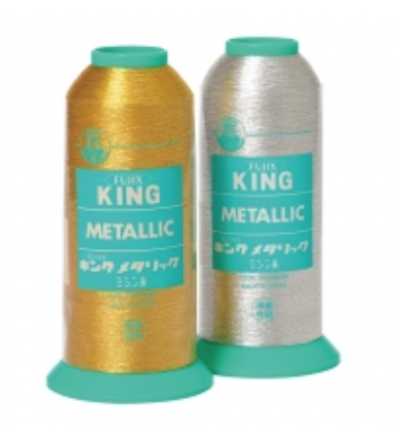
Even when using decorative thread with a metallic look, there are sewing threads that are compatible with zigzag stitching. However, depending on the type of thread, it may be susceptible to friction, needle heat, and thread tension, so before mass production, confirm sewability under the same conditions as the specified fabric.
Differences from Similar Terms
Overlock is a sewing method that wraps around the fabric edge with multiple threads, and machines that also trim the cut edge are generally used. Zigzag stitching can finish an edge on its own, but it usually does not have a function that trims the fabric edge.
Coverstitch is a stitch type using multiple threads, mainly used for hems and cuffs on knits. Lockstitch is a straight stitch, and its ability to follow horizontal stretch is more limited than zigzag stitching. It is chosen according to the application, fabric, and desired appearance.
Frequently Asked Questions
Is zigzag stitching only used to prevent fraying?
No. In addition to preventing fraying at cut edges, it is also used for sewing on elastic band or stretch fabric, reinforcing areas subject to stress, and decorative stitching. However, when durability or appearance of edge finishing is important, it is selected by comparing it with other finishing methods such as overlock.
What should be checked in quality inspection for zigzag stitching?
Check that the stitch width and spacing are consistent, that there are no skipped stitches or thread breakage, and that there is no seam shrinkage or waviness. For stretch applications, actually stretch it to see whether the thread breaks or the fabric becomes distorted. For products intended to be washed, check after washing as well.





