Zipper
A zipper is a general term for apparel fasteners that open and close by engaging the left and right teeth with a slider, and it is a material used for clothing, bags, shoes, and more.
Contents5 sections
Definition and Construction
A zipper is a general term for a linear fastener that opens and closes by interlocking teeth in sequence. It consists of the left and right zipper tapes, teeth, slider, pull tab, top stop, bottom stop, and more, and is used for clothing openings, pockets, bag openings, and similar applications.
Zipper, zip, and zip fastener are all common names for a zipper. Hook and loop, on the other hand, is a different type of fastener that bonds hook-shaped and loop-shaped components, and its structure differs from a zipper that uses teeth.
Main Types and Differences
Types are selected according to the tooth material and shape, how they look from the front, and the opening method. Coil zippers, Vislon zippers, and metal zippers are mainly classified by tooth construction, while concealed zippers and water repellent zippers are classified by appearance and function.
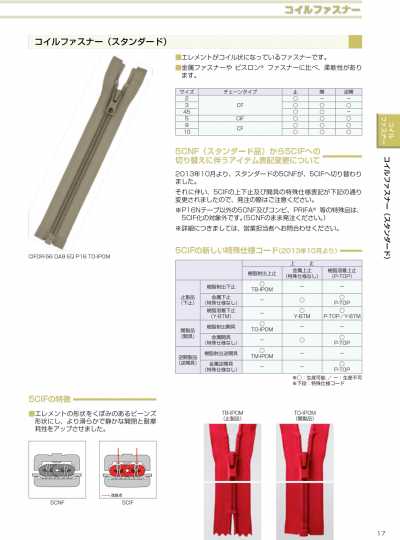
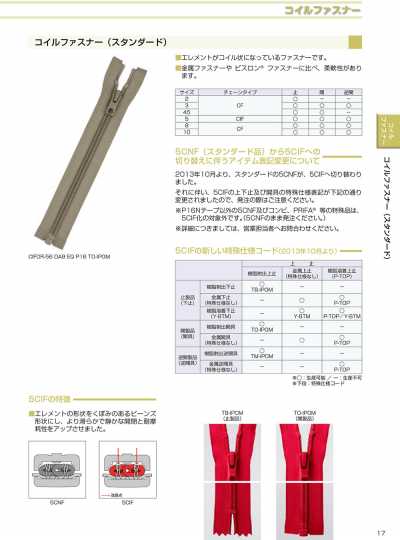
- Coil zipper: A type that uses resin coil-shaped teeth, with flexibility and widely used for clothing.
- Vislon zipper: A type with individually molded resin teeth, relatively lightweight and also used for casual clothing and bags.
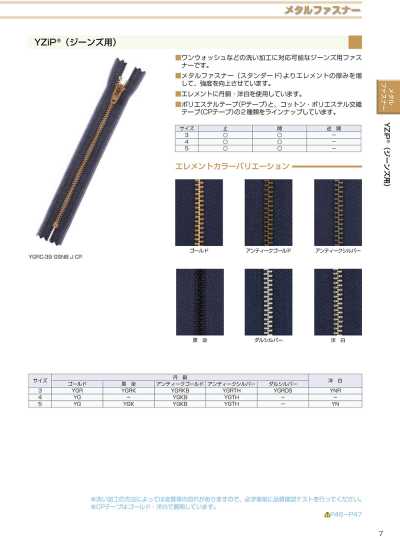
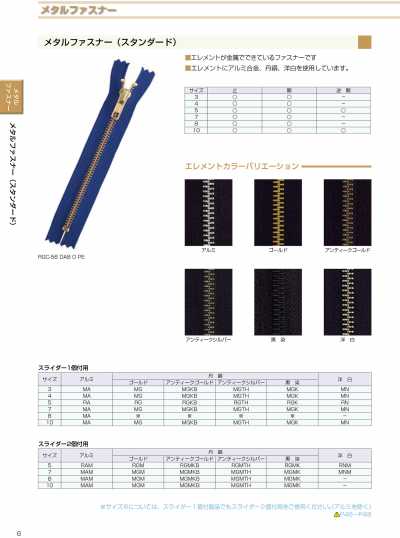
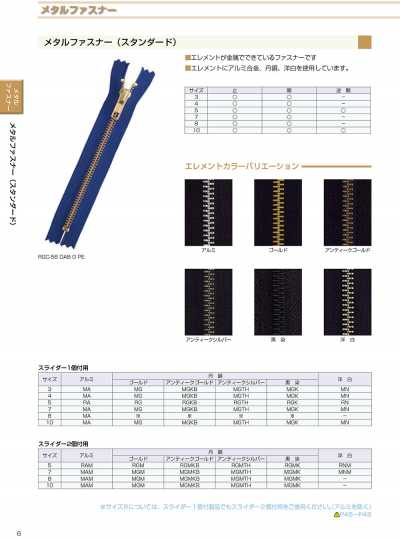
- Metal zipper: A type that uses metal teeth. The presence of the teeth can be used effectively in design, but care is needed to avoid damaging the fabric.
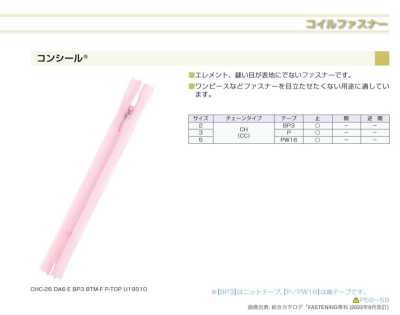
- Concealed zipper: A specification in which the teeth are not easily visible from the front when closed, used for side and back openings in skirts and dresses.
- Water repellent zipper: A type designed to help reduce water intrusion by arranging the tape and teeth area in a special way. Complete waterproof performance should be judged together with the seams and the overall product specification.
How to Choose and How to Find Them in Product Listings
Tooth size is selected based on the strength required for the opening, the appearance, and the width available in the seam allowance. For thin fabrics, inconspicuous and flexible types are often chosen, while outerwear and bags often require types with the appropriate strength and operability for the application.
The opening style is also important. An open-end zipper can be fully separated on both sides and is suitable for front-opening outerwear and similar items. A closed-end zipper has a closed bottom end and is used for pockets, skirts, and similar items. Two way separator zippers and double sliders are selected for applications that need to open and close from the top and bottom or from both sides.
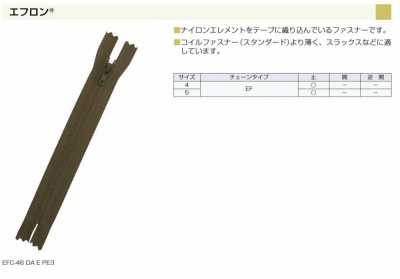
In product listings, first narrow the selection by type and then check the tooth size and zipper length. Next, comparing the tape and tooth materials, whether or not a separating pin is included, the slider specification, color, and application makes it easier to find candidates that match the pattern and product specification.
Sewing and Handling Precautions
Before sewing, confirm the left and right tape widths, the end position of the opening, seam allowance, and whether a fly extension is included, based on the pattern and specification sheet. Choosing a presser foot suited to the type, such as using the corresponding presser foot for a concealed zipper, makes it easier to sew stably close to the teeth.
When sewing in, take care not to stitch into the teeth or narrow the slider path. With stretchy fabrics or thin fabrics, the opening may ripple. It is important to verify this in a sample, including the use of interfacing or stay tape, feed amount, and the ironing process.
Depending on washing, garment dyeing, and finishing conditions, discoloration, coating damage, or opening and closing problems may occur. Test the fabric together with the zipper in advance, and check for jamming, teeth separation, and opening and closing durability.
Frequently Asked Questions
How do you determine zipper length?
It is determined based on the finished dimensions of the opening, the positions of the top stop and bottom stop, the seam allowance, and the fly extension specification. In particular, with concealed zippers, if the zipper is too short compared with the end of the opening, it becomes difficult to put on and take off; if it is too long, finishing becomes difficult, so this should be confirmed in the pattern and sewing specification.
Does using a water repellent zipper make the product waterproof?
A water repellent zipper is a component that helps reduce water intrusion through the zipper area, but it does not by itself determine the waterproof performance of the entire product. It is necessary to check the product structure as a whole, including the seams, sewing holes, overlap at openings, and seam tape.
What should be checked if a zipper ripples?
Check whether the fabric around the opening has stretched, whether there is any difference in feed amount between the zipper tape and the fabric, and whether the seam allowance and interfacing specifications are appropriate. This is especially likely to occur with thin fabrics and stretch fabrics, so adjust the sewing conditions, including the state after basting and ironing.
- Search products for "zipper"
- Products with material "Polyester"
- Products with material "Nylon"
- Products with material "Aluminum"
- Products with material "Brass"
- Products with material "Nickel Silver"
- Products with material "Metal"
- Products for style "For Outerwear/blousons/coats"
- Products for style "For Pants"
- Products for style "For Skirts And Dresses"
- Products for style "For Jackets/Suits"
- Products for style "For Sports"
- Products for style "Outdoor"
- Products for style "For Uniforms/Workwear"
- Products for style "For Bags"
- Products for style "For Denim"
- Browse Zipper products