Anti-sheer
Anti-sheer is a fabric property, or a specification for achieving it, in which the material, yarn, weave, density, color, and other factors are engineered so that underwear or the outline of the skin is less visible through the fabric.
Contents6 sections
Definition and Overview
Anti-sheer refers to a performance that makes fabric less transparent and reduces visibility. It is not a specific fiber name or weave structure name, but a function achieved through fabric design. It may also be described as sheer resistance, less sheer, or see-through prevention.
How sheer a fabric appears is not determined by the fabric alone; it is also affected by color, thickness, stretched state, lighting, and the contrast in brightness between the skin and innerwear. For this reason, anti-sheer does not mean a uniform guarantee that the fabric will never be transparent, and it must be checked according to the intended use.
Characteristics and How It Is Achieved
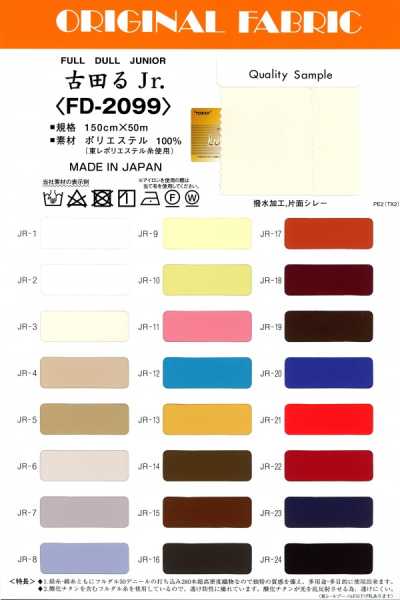
In general, anti-sheer performance is enhanced by methods such as weaving or knitting at high density, using yarn with a specially designed thickness or cross section, using a structure with multiple layers, and using pigments or fibers that diffuse light easily. In some cases, low-luster yarn such as fully dull yarn is used.
When anti-sheer performance is increased, the fabric is more likely to have an appropriate thickness, firmness, and sense of security, while lightness, breathability, and drape depend on the design. For white or light colors, sheerness tends to stand out more than with dark colors even when the fabric is the same, so color-by-color confirmation is important.
- High-density weaving or knitting
- Use of yarn or materials that do not easily transmit light
- Layered structures such as double layers
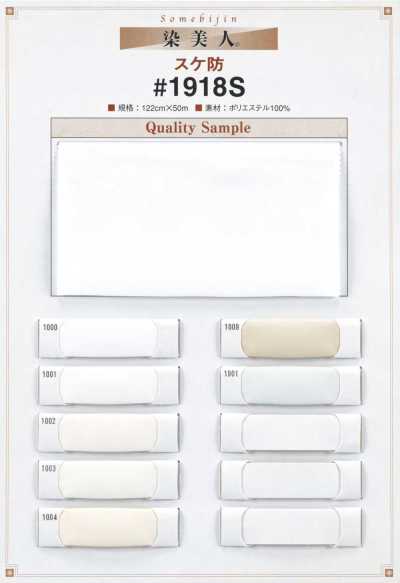
- Color-specific design for light colors
Main Applications
It is used for garments where sheerness is likely to be a concern in wear, such as white or light-colored shirts, blouses, skirts, dresses, pants, and uniforms. For midsummer use, designs that balance thinness and breathability with anti-sheer performance are required.
In sportswear and innerwear, there are also anti-sheer materials that combine stretch, moisture absorption and quick-drying, antistatic properties, and UV blocking performance. In addition, when it is difficult to suppress sheerness with the outer fabric alone, a method of combining an anti-sheer lining may be used.
How to Choose and Handling Precautions
Check fabric swatches not only in a flat state, but also by placing them over a backing close to skin tone or over innerwear of different shades, under lighting similar to actual wearing conditions. Since knits and stretch materials open up when stretched and become more likely to appear sheer, it is important to evaluate them at the actual stretch rate.
Shrinkage and reaction to heat differ by material. Before cutting, if necessary, wet out the fabric and let it relax in roll form, and confirm whether the level of sheerness changes before and after sewing. With thin fabrics, seam allowances and pocket bags can show through the surface, so consider the color and thickness of trims and seam finishing as well.
- Check sheerness by color
- Also check in stretched and wet states
- Check shrinkage and changes in texture after washing
- Check sheerness and fading in seam allowances, interfacing, and pocket bags
Differences from Similar Terms
Sheerness is a term that describes the appearance itself, meaning how much skin or underwear can be seen through the fabric. Anti-sheer refers to the function or property that reduces that sheerness. Even fabrics with little sheerness do not always carry an anti-sheer label.
Light blocking mainly refers to the ability to block light and is also important for curtains and hats. Anti-sheer, on the other hand, focuses on how difficult it is to see skin or innerwear through clothing. Also, anti-sheer does not mean a single post-processing treatment like water repellency; it may be achieved through the overall fabric design.
Frequently Asked Questions
Do anti-sheer fabrics mean you do not need innerwear even with white clothes?
Even with anti-sheer fabric, the appearance changes under strong light, when wet, or when the fabric is stretched tightly against the body. For white or light-colored garments, it is practical to combine them with innerwear close to skin tone such as beige, and to confirm them under conditions similar to fitting.
Does anti-sheer performance decrease after washing?
Anti-sheer performance based on a high-density structure or the optical properties of yarn may not depend only on post-processing. However, the appearance may change due to shrinkage, stretching, fuzzing, or texture changes caused by washing. Before adoption, check the sheerness of the fabric after washing.
Are anti-sheer and light blocking the same?
No, they are not the same. Light blocking mainly refers to the ability to block incoming light, whereas anti-sheer emphasizes making skin or innerwear less visible through clothing. Both are related to light transmission, but their evaluation purposes and usage situations differ.