Awase Tailoring
Awase tailoring is a method of making a kimono by attaching a lining to the outer fabric and giving the body and sleeves a double-layered structure.
Contents6 sections
Definition and Overview
Awase tailoring is a method of making a kimono by sewing together the outer fabric and lining. It is the term used in contrast to hitoe tailoring, which has no lining, and is generally used for kimono worn from autumn through spring. Because the outer fabric and lining become one, the appearance, comfort, and warmth are influenced by the characteristics of the lining.
Parts Used and Their Roles
In awase kimono, a typical construction uses a body lining for the upper body, an additional lining around the hem, and sleeve lining on the inside of the sleeves. Because the required appearance and durability differ by part, some garments are made with the same lining throughout, while others use different linings for different parts.
The lining suppresses sheerness from the outer fabric, helps control friction against the skin and a long under-kimono, and makes dressing and undressing easier. It also protects the outer fabric and can serve as a design element through the color visible at the hem or from the sleeve openings.
Lining Materials and Types
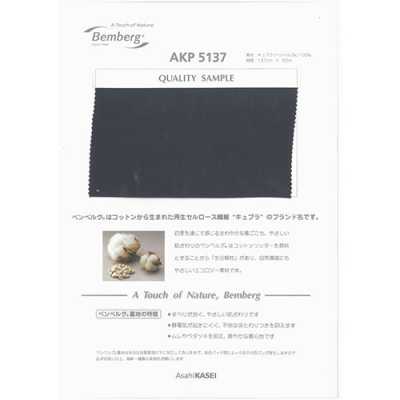
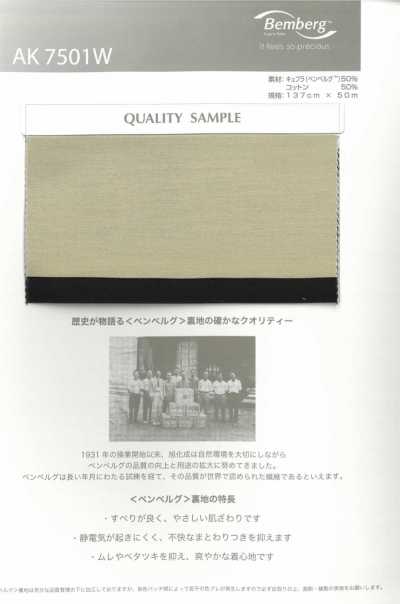
Linings are made from materials such as smooth cupro, polyester, and silk. Since each material differs in moisture absorption, resistance to static electricity, durability, sheen, and ease of care, they are selected to match the outer fabric and wearing conditions.
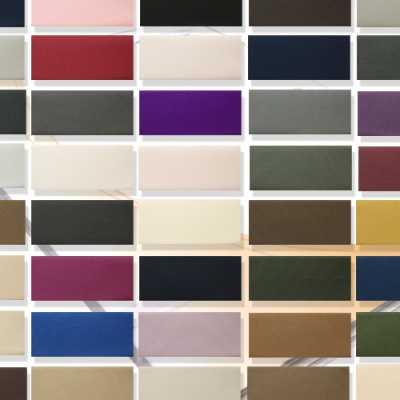
White or light-colored linings are often used for the body lining, and for the hem lining, colors and patterns are chosen with the coordination with the outer fabric and how they will appear from the hem in mind. If the outer fabric is thin, it is also necessary to check whether the lining color or pattern will show through to the outside.
- Cupro is used when smoothness and moisture absorption are important.
- Polyester is chosen when ease of handling and dimensional stability are priorities.
- Silk is considered when matching the texture and formality of the outer fabric is desired.
Selection and Points of Caution
For the outer fabric and lining, check not only the hue but also differences in thickness, drape, friction, and stretch. If the lining is heavier than the outer fabric, it can affect the movement of the hem and the finished silhouette; if smoothness is insufficient, the garment may feel difficult to move in around the long under-kimono or obi area.
With stretchy outer fabrics or fabrics with a coarse weave, pay attention to differences in stretch and seam slippage between the outer fabric and lining. Seam slippage is a phenomenon in which the yarns of the woven fabric pull out from the seam and gaps appear. For outer fabrics that are prone to sheerness, check how the color appears when layered in actual use.
If the outer fabric and lining differ in how much they shrink during washing or dry cleaning, or in their tendency to lose color, this can cause puckering and wrinkles. Before tailoring, check the handling methods for both materials, and if necessary, perform pre-washing or grain correction.
Sewing Notes and Differences from Similar Tailoring
In awase tailoring, it is important to align the grain of the outer fabric and lining and avoid stretching only one side when sewing them together. In particular, the sleeve opening, front overlap, hem, and back seam are places where misalignment between the outside and inside is easy to see, so the garment is tailored while checking the settling of the seam allowance and the ease allowance. Ease allowance is the treatment of giving the outer fabric side a slight extra allowance so the stitching does not show through to the outside.
Hitoe tailoring is a method of making a garment from a single layer without attaching a lining, and its structure differs from awase tailoring. Also, fully lined usually refers to a construction in Western clothing in which the body and sleeves are broadly lined, and it is handled separately from the body lining, hem lining, and sleeve lining structure used in awase kimono.
Frequently Asked Questions
What is the difference between awase tailoring and hitoe tailoring?
Awase tailoring is a double-layer construction with lining attached to the outer fabric, and it generally uses body lining, hem lining, and sleeve lining. Hitoe tailoring is, in principle, a single-layer construction without lining. Not only the wearing season, but also sheerness, smoothness, warmth, and the construction of the garment differ.
Does the lining for awase have to be made from the same material as the outer fabric?
It does not have to be the same material. The lining is selected by adjusting smoothness, moisture absorption, thickness, and color in relation to the outer fabric's texture, sheerness, stretch, and care requirements. However, it is important to avoid combinations with large differences in shrinkage or color transfer during washing or dry cleaning.