Hakake
Hakake is the lining used from the hem to the waist area in a lined kimono, and it serves to protect the hem, provide ease of movement when walking, and add color visible in the overall appearance.
Contents6 sections
Definition and Where It Is Used
Hakake is the lining attached to the lower half of a lined kimono. It is placed from the hem through the front panels, back panels, and sides, and when worn, part of it can be seen from the outer side from inside the hem and with leg movement.
Hakake is a part name, not a material name or a weave name. It is generally made together with the body lining, which is the lining for the upper part of the garment, but its area and required functions differ from those of the body lining.
- Body lining is the lining used on the upper-body side of the garment.
- Sleeve lining is the lining used inside the sleeves.
- Haori lining is the lining used inside a haori.
Role and Effect on Appearance
Hakake supports the hem area of the outer fabric from the inside and absorbs friction caused by walking and similar movements. It also creates smoothness between the outer fabric and the undergarment, helping the hem move properly.
The color of the hakake relative to the color and pattern of the outer fabric affects the impression when the kimono moves. In some cases it is matched to the same color family as the outer fabric for a calm look, while in others it is used to add variation at the hem through color contrast.
Materials and Types
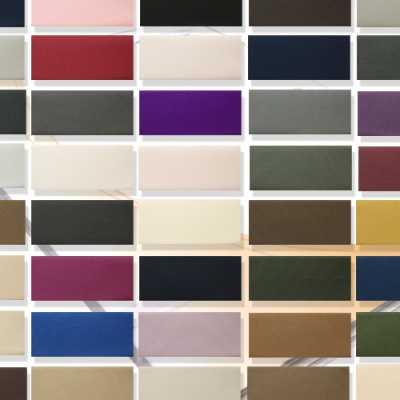
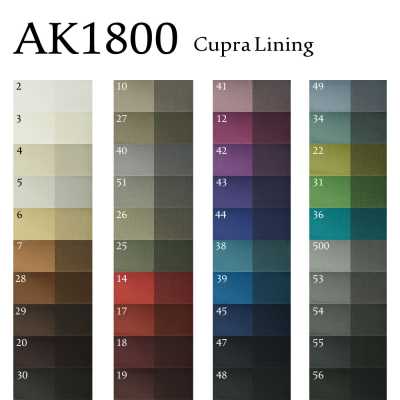
Hakake is made from silk and other lining materials such as polyester. In addition to solid colors, there are also ombré and patterned options, selected according to application, the formality of the outer fabric, care method, and desired appearance.
When choosing a material, check not only the appearance but also surface smoothness, thickness, drape, tendency to generate static electricity, and suitability for washing or dry cleaning. If the outer fabric and lining differ greatly in shrinkage or stretch, puckering may occur after tailoring.
How to Choose and Points to Note
If the outer fabric is light in color or somewhat sheer, the color, pattern, or sheen of the hakake may affect the appearance on the outside. Check how it looks through the outer fabric, and if necessary consider a subdued color tone or a combination that is less likely to show through.
If the outer fabric is supple, make sure the hakake is not too stiff or too heavy. Conversely, if the hakake is too light or too slippery, it can change how it blends with the outer fabric and how it feels to wear, so it is important to check the drape and slipperiness with the layers together.
- Check the difference in hue, brightness, and sheen from the outer fabric.
- Check whether the outer fabric and hakake shrink and stretch in compatible ways.
- For thin or light-colored outer fabrics, check for show-through when layered.
- Depending on the wearing situation, check slipperiness and ease of care.
Sewing Considerations
Because hakake is sewn along the hem line of the outer fabric, it is important to align the grain and pattern direction from the cutting stage. If the dimensions or seam allowance handling of the outer fabric and hakake do not match, waviness, puckering, and twisting at the hem become more noticeable.
The joining position with the body lining, the side seams, and the finishing at the hem corners affect the silhouette on the outside and movement while worn. Before sewing, let the materials relax; during sewing, avoid pulling too much, and be careful of press marks and changes in sheen caused by ironing.
Frequently Asked Questions
What is the difference between hakake and body lining?
Hakake is the lining for the waist-to-hem area in a lined kimono, and it is related to hem protection, leg movement, and the color seen from the hem. Body lining is the lining used on the upper-body side of the garment. The two are connected in tailoring, but the areas they cover and how they appear differ.
Does the hakake color need to match the outer fabric?
It does not need to be the same color. In addition to color schemes that blend with the outer fabric, there are also schemes that make use of the color visible from the hem as a design feature. However, with light-colored or sheer outer fabrics, the color or pattern of the hakake affects the outside appearance, so it is important to check with the layers together.
What should be checked when choosing hakake material?
Check thickness, drape, slipperiness, stretch and shrinkage behavior, and care method in relation to the outer fabric. If the properties of the outer fabric and hakake differ greatly, this can lead to hem puckering or discomfort when worn. Trial sewing and checking with layered samples are effective.