Bag Hardware And Components
Bag hardware and components is a general term for hardware, tape, cords, zippers, and related parts used for bag opening and closing, handles, length adjustment, connection, reinforcement, and decoration.
Contents6 sections
Definition and Overview
Bag materials are a general term for accessories other than the fabric of the bag body itself that make up functionality, usability, durability, and appearance. They are also called bag hardware or bag parts, but they may include not only metal components, but also plastic parts, tape, cords, and opening and closing components.
While many parts are shared with buckles and rings used for apparel, bags require selection based not only on the individual part but also on the combination of tape, fabric, and sewing specifications, taking into account the weight of the contents and repeated use.
Main Types and Roles
Bag materials include parts classified by role, such as fixing, connection, adjustment, opening and closing, and reinforcement. Even if the shapes are similar, the way load is applied and how they are attached differ, so choose the type that suits the application.
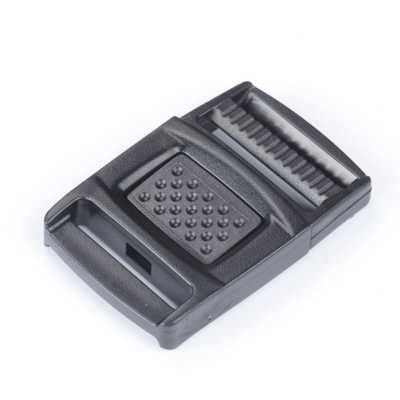
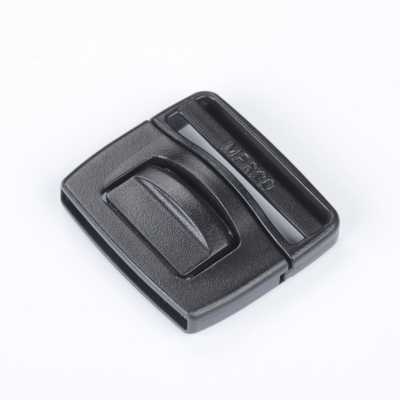
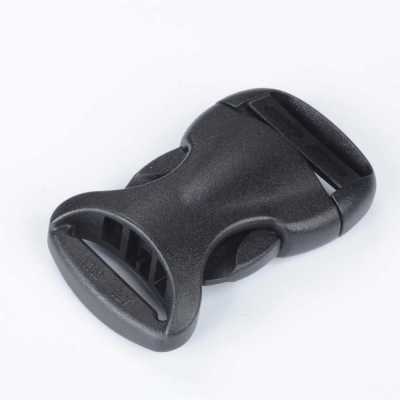
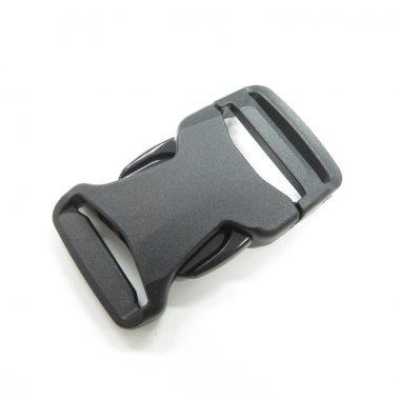
- Buckles: parts used to fasten straps or belts and adjust length. Examples include side-release buckles, ladder locks, and GI buckles, which differ in opening and closing method and holding power.
- D rings, circular rings, and rectangle rings: ring-shaped parts used to connect shoulder straps and handles to the body. D rings make it easy to set direction, circular rings move more freely, and rectangle rings help the tape sit neatly.
- Slide adjusters and slide rings: parts used to pass tape through and adjust strap length. Check the width and thickness of the tape being threaded, as well as how easily it slides during adjustment.
- Snap hooks and carabiners: hook-shaped parts that make straps and similar items detachable. To prevent accidental release, check the shape of the opening and the orientation during use.
- Zippers, magnetic buttons, and frame closures: used for bag openings and closures. Zippers make the opening easier to close, magnetic buttons are convenient, and frame closures help maintain the shape of the opening.
How to Choose and How to Search in Product Listings
First, confirm the width and thickness of the tape or cord to be threaded, the inner diameter of the part, and the attachment position from the design dimensions. For slide adjusters and slide rings, check not only the tape width but also whether the folded end of the tape can pass through. If the dimensions of the hardware and tape do not match, it can cause adjustment failure, pullout, or uneven wear.
Materials such as metal, die-cast, polyacetal, polypropylene, and leather should be considered according to application, appearance, weight, and usage environment. For outdoor use or applications involving heavy loads, check load capacity, corrosion resistance, abrasion resistance, and ease of handling in low temperatures.
In product listings, it is easier to search by narrowing down first by type, such as buckles, rings, snap hooks, and cord stoppers, and then comparing size, inner diameter, material, color, and finish. For use in the bag body, also narrow down by application conditions and check them together with the tape or cord to be used.
Handling and Sewing Precautions
For handles, shoulder attachment points, and snap hook attachment points where load is applied, use reinforcing fabric and secure enough seam allowance and stitching area. Finish tape ends to prevent fraying and pullout, and reinforce as needed with folding stitches, bar tacks, or box stitches.
Metal parts require care to avoid rubbing against the fabric, scratches, discoloration, and wear of the plating. During sewing, protect the parts so they do not contact each other, and after completion, check opening and closing, length adjustment, part orientation, and wobbling at the sewn areas.
Load capacity should not be judged by the value of the part alone; evaluate it including the tape, sewing, fabric of the bag body, and attachment structure. In the prototyping stage, perform use testing with the expected load applied, and consider strength testing according to the application.
Differences from Similar Terms
Buckles are a general term for parts mainly used to fasten belts or tape, or to adjust length. Rings refer to ring-shaped parts used to pass through or connect tape and cords. Bag materials are a broader classification that also includes zippers, tape, cords, opening and closing components, and more.
Accessories is a broad term for all materials other than fabric used in apparel and bags. Bag materials is a term focused on the components related to the structure, opening and closing, and carrying of bags.
Frequently Asked Questions
When choosing bag hardware, what dimensions should be checked first?
First check the width and thickness of the tape or cord to be used, as well as the inner diameter of the part. In particular, slide adjusters and slide rings for length adjustment may not allow the folded part to pass through even if the tape width matches. During prototyping, it is important to thread the actual tape and check sliding, holding, and pullout.
What kind of reinforcement is needed at the base of a shoulder strap?
Because repeated loads concentrate at the base, do not rely on the outer fabric alone; reinforce the back side with reinforcing fabric and secure enough stitching area. Methods include combining folded tape ends, bar tacks, and box stitches. Check the part, tape, fabric, and sewing as a single system.
How should metal and plastic bag parts be used differently?
Metal parts are often used where texture and rigidity are desired, while plastic parts are chosen for applications that emphasize light weight and ease of handling. However, suitability depends on shape, wall thickness, attachment structure, and usage environment. Do not decide based on appearance alone; confirm the required load capacity and durability.
- Browse Bag Materials products
- Products with material "Leather"
- Products with material "Brass"
- Products with material "Stainless Steel"
- Products with material "Metal"
- Products with material "Polypropylene"
- Products with material "Polyacetal"
- Products for style "For Bags"
- Browse Buckles And Rings products