


Broken Twill
Broken Twill is a woven structure that reverses the direction of the twill line partway through, breaking up the continuous diagonal lines to create a zigzag surface.
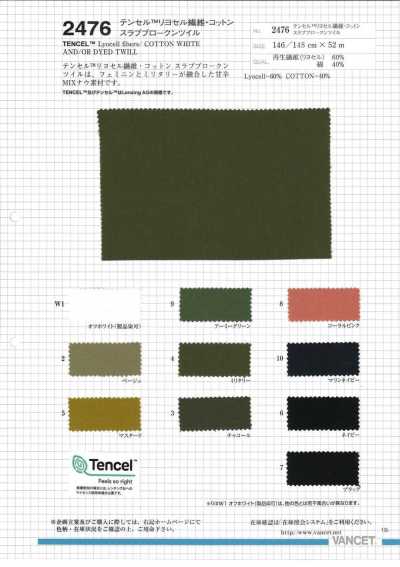
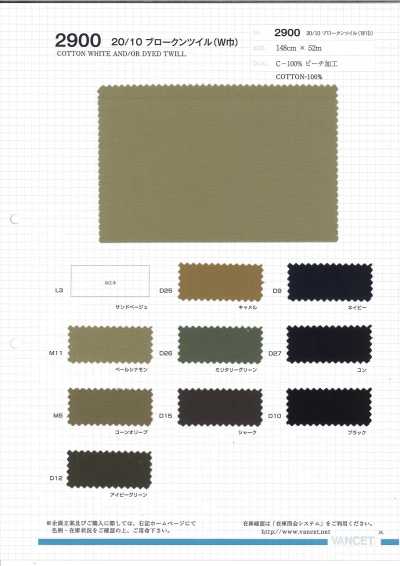
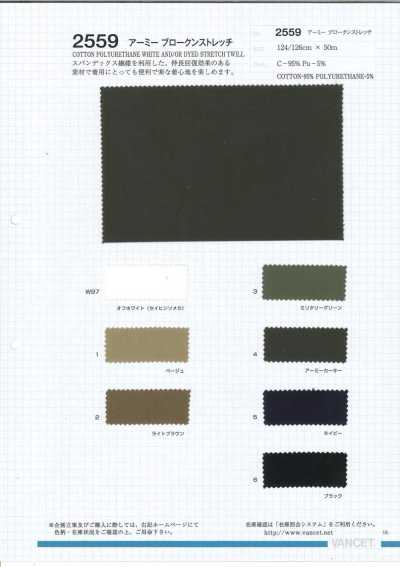
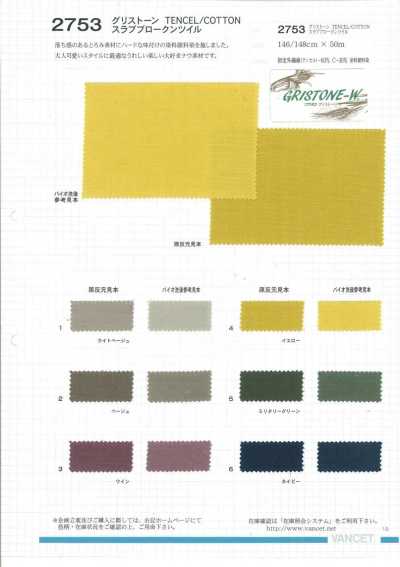
Contents6 sections
Definition and Overview
Broken twill is a variant twill weave in which the way warp or weft yarns float changes at regular intervals, reversing the continuously running diagonal twill line partway through. The surface shows discontinuous V-shaped or zigzag twill lines.
It is the name of a weave structure based on twill, not the name of a specific fiber or fabric. It is well known in cotton denim, but the thickness and texture vary greatly depending on the yarn used, density, fabric weight, dyeing, and finishing.
Features
Compared with ordinary twill, the direction of the twill line does not continue in one direction, so the appearance has a lively zigzag character. The way the structure looks changes depending on yarn thickness, color contrast, and whether it is brushed or washed.
In denim, it may be used to reduce twisting and skewing that can occur in fabrics where the twill line is aligned in one direction. However, the degree of shrinkage and twisting is not determined by the weave structure alone, so the raw material, twist, density, finishing, and sewing specifications must be checked together.
- A zigzag or broken twill line appears on the surface.
- It has the moderate thickness and diagonal drape characteristic of twill.
- In denim, it also affects the look after washing and the way twisting appears.
Main Applications
For relatively firm medium to heavy fabrics, it is used for jeans, work pants, chino pants, jackets, blousons, and similar items. It is suitable for casual wear and workwear-style products when you want to make use of the character of the weave.
When designed with lighter yarn use and fabric weight, it is also used for shirts, dresses, skirts, and more. The season depends on the material and thickness, and cotton heavy denim styles are suitable from autumn and winter through all seasons, while lighter fabrics can also be used for spring and summer.
Selection and Handling Notes
When selecting, do not judge by the weave name alone; check the blend ratio, fabric weight, density, thickness, stretch, dyeing method, and finishing process. Especially for denim applications, it is reassuring to confirm dimensional change after washing, color fading, and rubbing fastness through test results or swatches.
Unshrunk fabrics made mainly of cotton or fabrics intended for garment dyeing may shrink during washing. Before mass production, carry out water soaking or washing tests, and set the pattern and fabric consumption while taking shrinkage into account. Dark-colored items should generally be washed separately, and care should also be taken to avoid color transfer caused by friction while damp.
In sewing, make sure the face and back of the fabric, as well as the direction in which the twill line is visible, are consistent before cutting. For heavy fabrics, match the needle size, sewing thread count, and feed amount to the fabric, and check seam steps and puckering at overlapping areas. If washing is planned, also consider in advance any color changes in the sewing thread and accessories.
Differences from Similar Terms
Twill refers broadly to twill weaves with continuously diagonal twill lines. Broken twill, by contrast, is a specific weave design that changes the direction of the twill line partway through. Therefore, broken twill is considered a type of twill.
Denim generally refers to woven fabric using colored warp yarns and white weft yarns, and it may be woven in broken twill as well as in ordinary twill. Broken denim is a term for denim made with a broken twill structure. Herringbone is a pattern and structural expression in which twill lines continue in a chevron shape; it is similar in that the twill line folds back, but the appearance and weave design are not the same.
Frequently Asked Questions
Is broken twill used only for denim?
Is broken twill less likely to twist after washing?
Compared with twill that runs continuously in one direction, it may be used to reduce twisting and skewing. However, it is not a structure that guarantees resistance to twisting. It is important to confirm through product testing, taking into account the material, twist, density, finishing, cutting direction, sewing, and washing conditions.
What is the difference between broken twill and herringbone?
Both share the feature that the direction of the twill line changes in appearance, but broken twill refers to a weave design that breaks up a continuous twill line. Herringbone is characterized by a continuous chevron-like appearance. Since usage and interpretation of these terms can vary, check the surface with a swatch during planning.





