Cellulose
Cellulose is the main component that makes up plant cell walls, and it is a polymer substance that forms the basis of natural fibers such as cotton and linen, as well as regenerated fibers such as rayon.
Contents6 sections
Definition and Classification
Cellulose is a plant-derived polymer substance, and in apparel fibers it is the basic component common to cotton, linen, rayon, cupro, lyocell, and others. However, cellulose is not a material name itself, but a broad classification that spans raw materials and manufacturing methods.
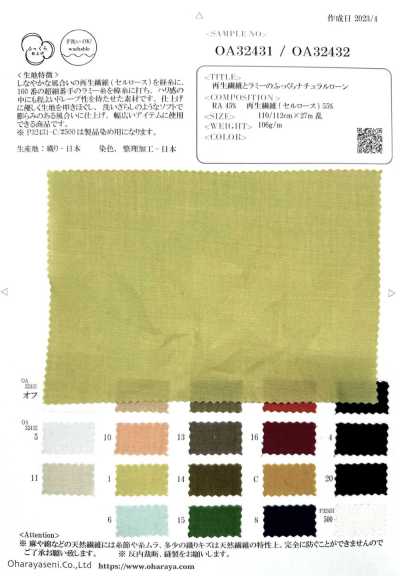
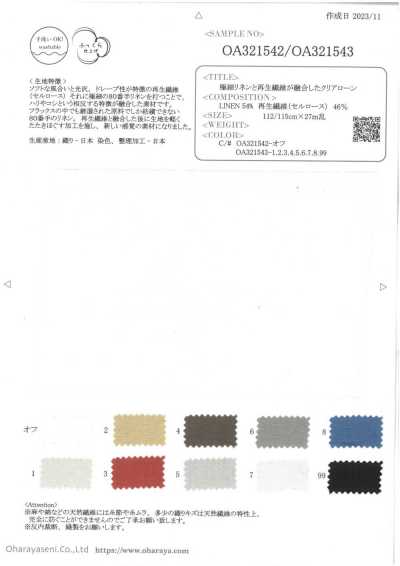
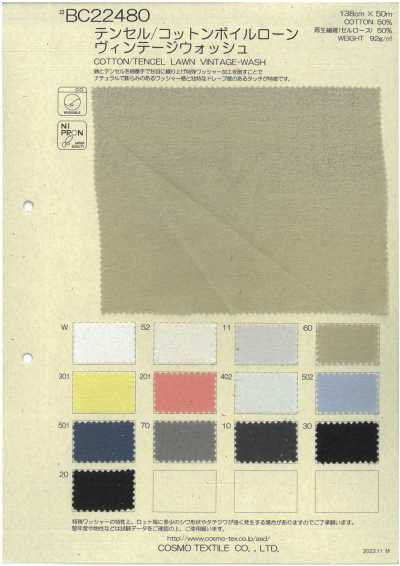
Cotton, linen, and ramie are natural cellulose fibers made from plant-derived fibers used mainly through physical processing. On the other hand, rayon, cupro, and lyocell are classified as regenerated cellulose fibers, in which cellulose is dissolved and then formed into fibers through processing steps.
- Natural cellulose fibers: cotton, linen, ramie, hemp, etc.
- Regenerated cellulose fibers: rayon, cupro, lyocell, modal, etc.
Texture and Function
Cellulose-based fibers generally have moisture absorption and tend to help reduce stuffiness when they touch the skin. Depending on the type of material, yarn thickness, weave or knit structure, and finishing, they range from a crisp feel to a soft, drapey feel.
In appearance, cotton and linen often have a natural matte look, while regenerated cellulose fibers may make use of smoothness, luster, and drape. However, these properties are not determined by material classification alone; they vary greatly depending on blend ratio and fabric design.
Main Applications and Seasons
The applications of cellulose-based fibers are wide-ranging, including shirts, blouses, cut-and-sewn items, dresses, skirts, pants, linings, and bedding. They are available from lightweight fabrics that make use of moisture absorption and a pleasant feel against the skin to sturdy heavy fabrics like cotton denim and canvas.
In spring and summer, they are often used for clothing that makes use of the dry feel of cotton and linen and the drape of rayon-type materials. In fall and winter as well, they are used in brushed cotton materials, French terry, and blended materials that add warmth, so they are not materials limited to a specific season.
Selection and Handling Notes
When selecting fabric, do not judge by the cellulose-based classification alone; check the material name, blend ratio, fabric weight, structure, and finishing process. Cotton and linen are well suited to creating a firm appearance, while rayon, cupro, and lyocell are considered for applications that require drape and smoothness.
Some materials are prone to shrinkage in washing, some lose strength when wet, and some are prone to whitening or fuzzing from friction. Before mass production, conduct washing tests and check the shrinkage rate, and if necessary, perform pre-washing or relaxation of the fabric before cutting.
In sewing, adjust the needle, thread, thread tension, and presser foot pressure according to the fabric's stretch, slipperiness, and tendency to wrinkle. In particular, thin regenerated cellulose fibers with good drape should be test-sewn to confirm conditions in order to prevent seam slippage and puckering.
Differences from Similar Terms
Cotton is a type of natural fiber whose main component is cellulose, and it does not refer to cellulose as a whole. Linen, ramie, and hemp are also cellulose-based, but because the plant species and the part of the fiber taken differ, there are differences in feel, strength, and wrinkling.
Rayon, cupro, and lyocell are all regenerated fibers made from cellulose. Do not confuse them with cellulose itself; in care tags and material selection, they must be identified by the individual fiber name and blend ratio.
Frequently Asked Questions
Are cellulose and cotton the same?
Do cellulose-based fabrics shrink in washing?
The amount of shrinkage varies depending on the type of fiber, fabric structure, finishing, and washing conditions. With cotton, linen, and regenerated cellulose fibers, size and texture may change after water washing, so during planning it is necessary to check the fabric specification's shrinkage rate and, if needed, conduct washing tests.
What are regenerated cellulose fibers?
These are materials made from cellulose contained in wood pulp, cotton linter, and similar sources, which are once dissolved or processed and then re-formed into fibers. Examples include rayon, cupro, lyocell, and modal, and their raw materials, manufacturing methods, and properties all differ.