


Cheese Dyeing
Cheese dyeing is a method of dyeing yarn wound on a cheese-shaped tube by circulating dye liquor from both inside and outside, producing colored yarn before weaving or knitting.
Contents6 sections
Definition and Overview
Cheese dyeing is a type of yarn dyeing in which yarn is wound into a cone-shaped or cylindrical cheese and dyed by passing dye liquor through the yarn layers in a dyeing machine. The dyed yarn is then used as warp yarn, weft yarn, or knitting yarn for fabrics.
Compared with piece dyeing, which dyes fabric after it has been made, cheese dyeing is a process that dyes yarn before weaving or knitting. It is used not only for solid colors, but also for heathered effects, stripes, and checks created by combining yarns of different colors.
Characteristics and Appearance
By passing dye liquor through both the inside and outside of the cheese, the process aims to dye the yarn evenly through to the core. The actual dyeing result depends on the fiber type, yarn thickness, winding density, dye, pretreatment, and aftertreatment, among other factors.
Cheese dyeing itself is not a finishing process that adds softness, water absorbency, or stretch. The hand and surface appearance are determined by a combination of the material, spinning method, twist, weave or knit structure, and finishing treatment.
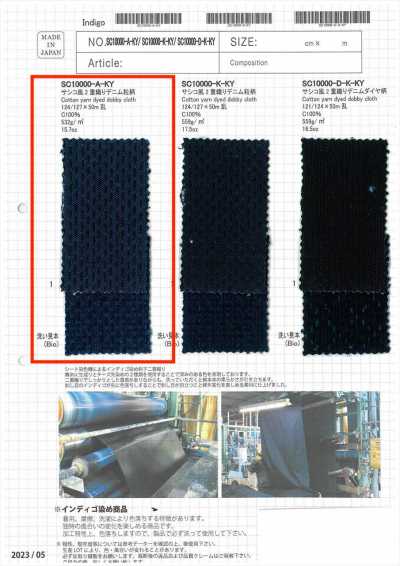
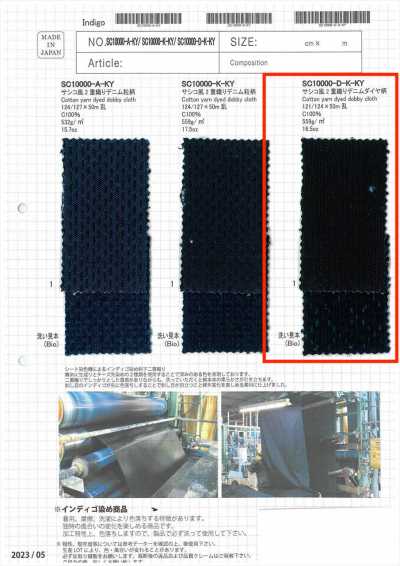
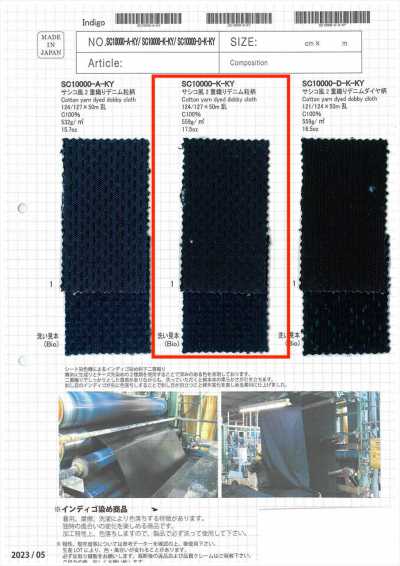
If yarn dyed with indigo or similar dyes is twisted together with other yarns, or woven or knitted together with white yarn, it can create depth in color, a heathered look, or a workwear-style contrast.
Main Applications
It is used for woven fabrics and knits that make use of the color of pre-dyed yarn. It is suitable for a wide range of items and seasons, including shirts, blouses, pants, jackets, cut-and-sew tops, and knits, and can handle everything from solid colors to heathered, striped, and checked designs.
It is especially an option for chambray, seersucker, and heathered materials where depth is created through combinations of yarn colors. However, the final appearance depends on the structure and color arrangement, so cheese dyeing alone does not create a specific look.
Selection and Handling Notes
When selecting, confirm not only the material name and structure, but also the type of dye, hue, whether the shade is dark or light, and the required colorfastness. When using light and dark combinations or color matching, it is important to check color differences and appearance with trial rolls and color swatches before mass production.
Shrinkage cannot be determined from cheese dyeing alone. It varies depending on whether the fiber is natural or synthetic, the weave or knit structure, finishing treatment, and whether the product is washed, so confirm the need for relaxation or water application before cutting, as well as the shrinkage test conditions, for each fabric.
During sewing, check the front and back of the fabric, grain line, and the direction of color variation or heathering in advance, and cut so that the appearance does not look unnatural between the left and right body panels or between parts. For dark-colored items, assume possible color transfer from friction or washing, and pay attention to combinations with sewing thread, trims, and other materials.
- Even with the same color number, color differences may occur by lot.
- Follow the material label and the test results for each fabric when choosing washing methods.
- For applications where friction in a wet state is expected, also confirm wet rub fastness.
Differences from Similar Terms
Skein dyeing is a method of dyeing yarn in skein form. It differs from cheese dyeing in that cheese dyeing dyes yarn wound on a tube. Both are done at the yarn stage, so they fall within the scope of yarn dyeing.
Beam dyeing is a method of dyeing warp yarn while it is wound on a beam. Cheese dyeing mainly targets yarn wound in cheese form and is used depending on the application and subsequent processes. Piece dyeing is a method of dyeing fabric after it has been woven or knitted.
Frequently Asked Questions
Are cheese dyeing and yarn dyeing the same?
Cheese dyeing is one of the representative methods within yarn dyeing. Yarn dyeing refers broadly to dyeing yarn before weaving or knitting, and includes cheese dyeing as well as skein dyeing and beam dyeing. Cheese dyeing is characterized by winding the yarn into a cheese shape and dyeing it.
Does cheese-dyed fabric shrink easily?
It is not possible to judge shrinkage tendency from cheese dyeing alone. Shrinkage rate varies depending on the fiber type, yarn and structure, finishing treatment after dyeing, and whether the product is washed. In mass production, check the shrinkage data for each fabric and, if necessary, carry out pretreatment before cutting.
Can a heathered look be created with cheese-dyed yarn?
Yes. By twisting together yarns of different colors, or by weaving or knitting them with another colored yarn, you can create a heathered or mélange appearance. However, the way the colors blend depends on yarn thickness, twist, color arrangement, and structure, so it should be confirmed with a prototype.





