Brown Cotton
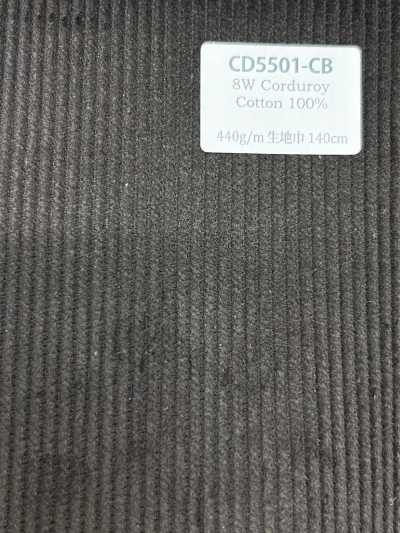
Brown cotton is cotton spun from cotton bolls that naturally have brownish pigments, or fabric made using that yarn. It is characterized by natural tonal variations that do not come from dyeing and by a simple, rustic texture.
Contents5 sections
Definition and Overview
Brown cotton is a type of colored cotton whose fibers themselves have colors ranging from brown to beige. It is not fabric made by dyeing ordinary white cotton brown, but instead makes use of the cotton’s natural color. Brown cotton yarn may be used on its own, or mixed with undyed cotton to adjust the color tone.
Brown cotton is a term that indicates a type of fiber and does not limit the woven structure, such as plain weave or denim, or knitted structures such as knit fabric. It is also a separate concept from organic cotton, which guarantees not only being undyed but also the cultivation method.
Characteristics
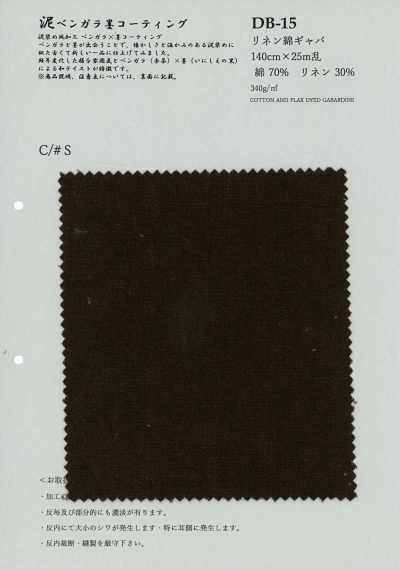
Its visual features are a natural brownish tone that does not come from dyeing, along with slight variations in depth and unevenness. The color tone may vary depending on the harvest year, origin, blend state, and lot, giving it an expression that differs from fabric intended to have a uniform color.
While it makes good use of cotton’s absorbency and feel against the skin, the texture, thickness, strength, and stretchability vary greatly depending on the yarn count, twist, structure, and finishing process. You cannot judge specific functionality from the fact that it is brown cotton alone.
The color of brown cotton may change due to light or washing. Especially for dark brown cotton or products that are washed repeatedly, it is important to check at the planning stage for changes over time as part of the material’s characteristics.
Main Applications
Its natural, calm tone is used for shirts, blouses, dresses, skirts, pants, cut-and-sew tops, underwear, loungewear, and more. In lightweight fabrics, it is used for materials intended to feel cool in spring and summer, while brushed or heavyweight fabrics are used for casual wear in autumn and winter.
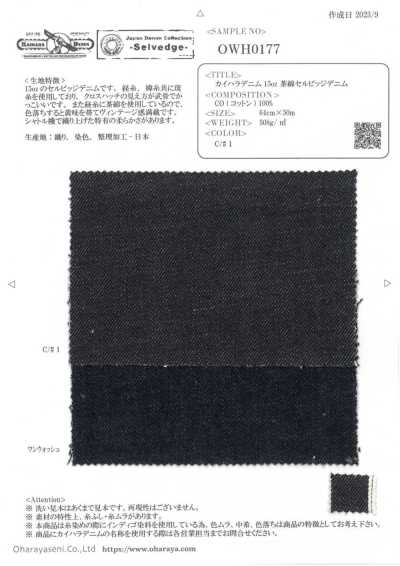
In firm structures such as canvas and denim, it is also suitable for bags, accessories, and workwear-style garments. In denim, using brown cotton for the warp or weft may create a yellowish appearance as the color fades through friction or washing.
Selection and Handling Notes
When selecting fabric, check not only the color name but also the blend ratio, structure, fabric weight, thickness, sheerness, shrinkage rate, and colorfastness. Because lot-to-lot differences and partial tonal variation are easy to see in brown cotton, confirm the color tone and how it appears within the required yardage using a production sample or product sample before mass production.
Because cotton materials may shrink when washed, decide whether prewashing or sponging is necessary before cutting according to the fabric specifications. For products, follow the care label instructions, and to avoid color transfer to other garments, the initial recommendation is to wash separately and avoid long periods of drying under strong sunlight.
In sewing, even thread close to the base color may still show noticeable tonal differences, so check color matching with sewing thread, interfacing, and notions. It is helpful to define in advance, in the inspection standards and specifications sheet, the acceptable range for tonal variation and nep so that decisions can be made smoothly.
- Undyed cotton generally refers to unbleached cotton close to white, and it differs from brown cotton in the natural color of the cotton itself.
- Cotton fabric piece dyed brown should be handled separately from brown cotton.
- Whether organic cotton labeling is allowed should be confirmed based on the raw material and certification and control conditions, not simply on whether it is brown cotton.
Frequently Asked Questions
Are brown cotton and organic cotton the same?
No, they are not the same. Brown cotton is a material name indicating the cotton’s natural brownish color, while organic cotton is a name related to standards and certification for cultivation and distribution management. Brown cotton may be made from organic raw material, but labeling should be determined by checking the basis for each.
Does brown cotton shrink when washed?
Because brown cotton is still cotton, it may shrink when washed depending on the structure and finishing conditions. In particular, unshrunk fabrics and fabrics with a textured surface require confirmation of any impact on finished dimensions. Before mass production, carry out washing tests and, if necessary, consider prewashing or pattern adjustments.
Is uneven coloring in brown cotton a defect?
Tonal variation, nep, and differences in color tone from lot to lot in brown cotton can appear as characteristics of natural fibers. However, the acceptable range varies depending on the application and the design intent. It is necessary to compare against the sample and decide in advance how to handle noticeable areas, layout during cutting, and inspection standards.