Cotton Noil
Cotton noil refers to short fibers separated during the cotton spinning process or combing process, and is a fiber raw material that can be reused and blended into yarn to create a natural uneven texture and nep effect.
Contents6 sections
Definition and Overview
Cotton noil is a general term for short fibers and fiber fragments generated during the spinning process that opens cotton and turns it into yarn. In particular, the short fibers removed in the combing process are called combing noil, or comber noil. This is not the name of a fabric construction, but a term for a yarn raw material.
Cotton noil is usually spun mixed with regular cotton, and it may also be used as a recycled raw material. Because the yarn quality varies greatly depending on the origin of the noil, the blending ratio, and the spinning method, the performance of the fabric is not determined by the use of cotton noil alone.
Characteristics and Appearance
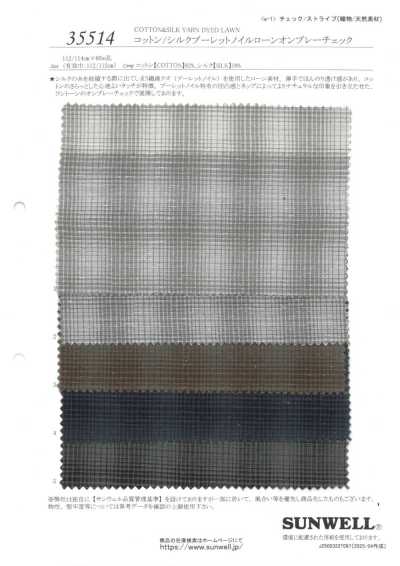
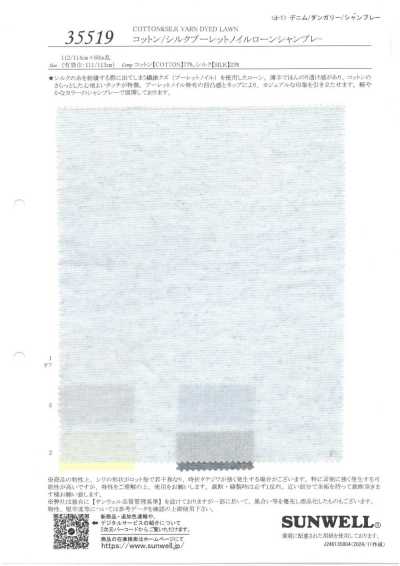
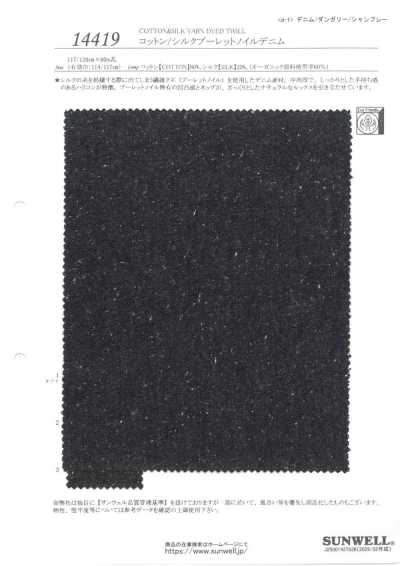
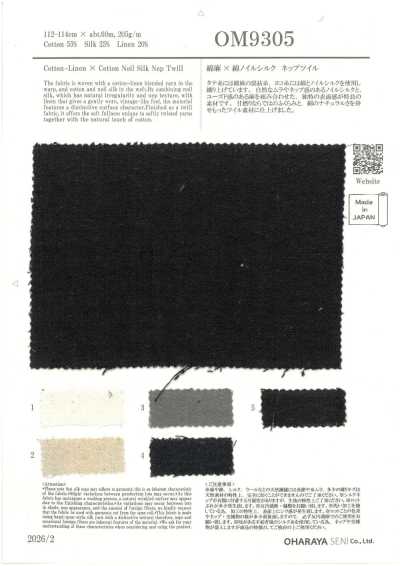
Yarns containing cotton noil may show an uneven heathered look or whitish neps on the surface because the fiber length and color tone are not easy to align. This irregularity can be used in design to create a rustic, vintage, or rough appearance.
In yarns with a high proportion of short fibers, fuzz and yarn unevenness are more likely to appear, resulting in a texture that differs from smooth, uniform combed yarn. However, the appearance of neps, strength, and degree of fuzz depend on fiber selection, blending ratio, twist, and knitting or weaving conditions.
Main Uses
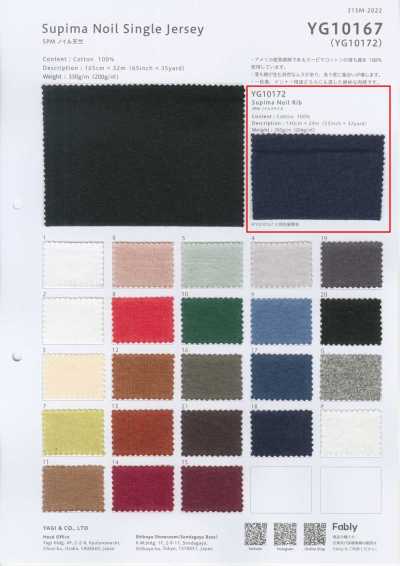
Yarns blended with cotton noil are used for cut-and-sew fabrics such as jersey, circular rib, and French terry, and are used for T-shirts, sweatshirts, cardigans, and casual innerwear. They are suited to projects that want to make use of a natural uneven look and a relaxed feel.
In relatively heavier knitted fabrics, the coarse appearance derived from cotton noil is easier to show, and it is also used for autumn and winter items. However, cotton noil is not a material name that directly determines warmth or seasonality. Fabric weight, knit structure, blend ratio, and whether brushing is applied should all be considered together.
How to Choose and Handling Notes
During planning, check the amount of neps, the way colors are mixed, surface fuzz, and the appearance after washing using swatches and product samples. For products that require a uniform white tone or a smooth surface, the color specks and neps specific to cotton noil may be regarded as a quality issue, so the acceptable range should be shared in advance.
In fabrics made mainly from cotton, shrinkage, skewing, and fuzzing may occur after washing. Before cutting, let the fabric relax after rolling it out, and before mass production, conduct wash tests to confirm the shrinkage allowance settings for the pattern. During sewing, fuzz tends to gather around the needle area, so the needle and feed conditions should also be checked.
- When neps and color specks are treated as part of the design, set acceptable samples in the inspection criteria.
- If garment washing is carried out, check the dimensional change and surface change after washing in advance.
- On light colors, whitish neps may stand out, while on dark colors, bright fiber fragments may be noticeable.
Differences from Similar Terms
Combed yarn is yarn spun mainly from long fibers after removing short fibers in the combing process. In contrast, combing noil refers to the short fibers removed in that process. Both are related to the same process, but their uses and the appearance of the resulting yarn differ.
Carded yarn generally refers to yarn spun without going through the combing process and tends to have more natural fuzz and loft than combed yarn. Cotton noil is not another name for carded yarn, but a fiber raw material generated during the spinning process. Nep, meanwhile, refers to the appearance of fiber clumps or knots that appear in yarn or fabric.
Frequently Asked Questions
Are the neps in fabric made with cotton noil a defect?
Nep and color specks derived from cotton noil may be intentionally used as a natural uneven effect, so they cannot be uniformly called defects. However, depending on the size and amount of the neps, and whether they shed, they may become an appearance defect. It is important to confirm the acceptable range using product-specific samples and inspection criteria.
Does fabric with cotton noil shrink when washed?
The degree of shrinkage cannot be determined by the presence or absence of cotton noil alone, and it depends on the cotton blend ratio, knitting or weaving density, finishing, and whether garment washing is applied. If the fabric contains a lot of cotton, dimensions may change after washing, so before mass production, confirm the shrinkage allowance and skewing under the actual washing conditions.
Are cotton noil and recycled cotton the same?
Cotton noil often refers to short fibers generated during the spinning process and similar steps, and reused noil can become a raw material for recycled cotton. However, recycled cotton may also use cutting waste or recovered fibers as raw materials. For labeling and procurement conditions, confirm the origin of the raw material and the recycling method individually.