Continuous Dyeing
Continuous dyeing is a processing method in which fabric is run through continuous equipment and dyed by sequentially applying dye, drying, developing color, washing, and so on.
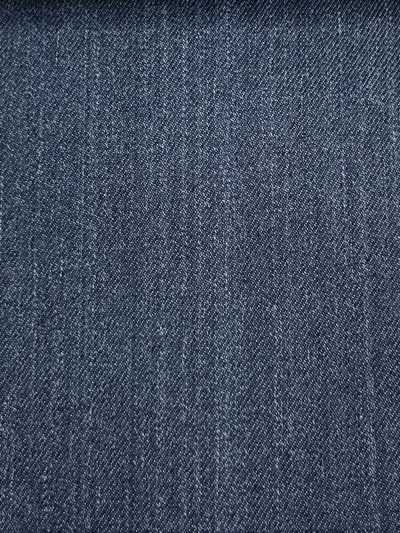
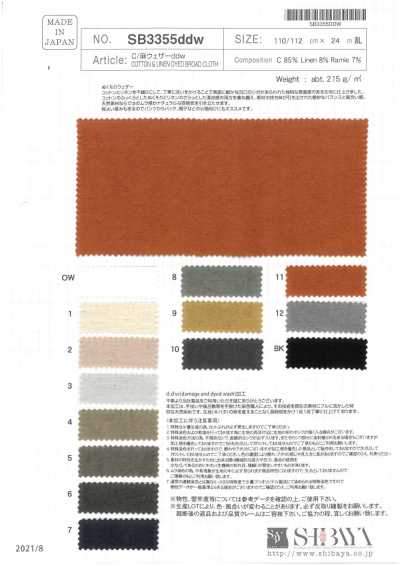
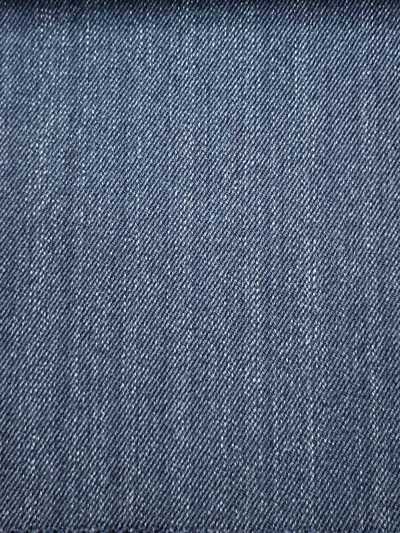
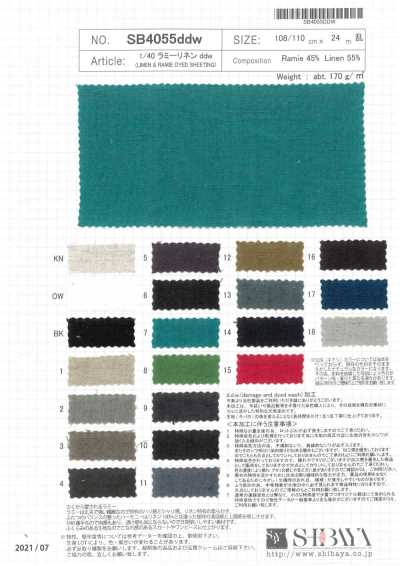
Contents6 sections
Definition and Overview
Continuous dyeing is a method of dyeing long fabric while running it continuously through the process. In general, dye liquor is impregnated into the fabric with a squeeze roller called a pad, and then coloring by heat or steam, washing, and drying are carried out continuously.
Pad dyeing is often used to refer to continuous dyeing that uses a pad process. Pad steam refers to a method in which coloring is developed with steam after padding, so it is distinguished as a specific process or method included in continuous dyeing.
Features
Because it is easy to carry out continuous processing under fixed conditions, it is suitable for producing the same color in large quantities. Dye concentration, squeeze ratio, temperature, running speed, and other factors are controlled so that the front and back of the fabric and the lengthwise direction of the roll have an even tone.
Texture, luster, firmness, and water absorbency are not determined by continuous dyeing alone. They vary depending on the fiber type, dye, pretreatment, coloring conditions, and the combination with post-treatments such as softening or resin finishing.
It is often used to create a uniform appearance with solid dyeing, but the difficulty of controlling uneven dyeing and color differences varies depending on dark shades, light shades, and the mixed state of materials. It is important to confirm in advance the dyeing method and quality standards suitable for the material.
Main Applications
Fabric dyed by continuous dyeing is used for a wide range of apparel that continuously uses solid rolls of fabric, such as shirts, blouses, pants, skirts, jackets, linings, and uniforms. It can also be applied to knits depending on the material and equipment conditions, not just woven fabrics.
The season is not limited by the processing method alone. From light fabrics to heavy fabrics, it is used for spring and summer as well as autumn and winter products according to the fabric design and finishing. In planning that aims to stably develop standard colors in particular, color reproducibility and lot control are key considerations.
How to Choose and Handling Precautions
When selecting fabric, check not only the processing name continuous dyeing, but also the material, blend ratio, color, fabric weight, finish, and the required fastness for the intended use. Because the planned color may look different between the sample and mass-production roll, color confirmation including lighting conditions is necessary.
Shrinkage is affected not only by the dyeing process but also by material characteristics, post-processing, and washing conditions. Before cutting, relax the roll and, if necessary, wet the fabric, then set the material allowance and pattern based on the shrinkage rate. The care instructions for the product are determined based on the handling information from the fabric supplier.
In sewing, pay attention to color transfer caused by friction on dark fabrics, color differences with the sewing thread, and fading or gloss caused by pressing. Before mass production, perform sewing tests and washing tests, and check washing fastness, rubbing fastness, and dimensional change against the intended product use.
- For dark colors, check dry and wet rubbing fastness and color bleeding.
- For combinations with light colors or white, check for color transfer.
- Check the risk of sublimation or staining of auxiliary materials for each material combination.
Differences from Similar Terms
Piece dyeing is a term that indicates the timing of dyeing fabric after it has been woven or knitted. Continuous dyeing refers to a method of dyeing with continuous equipment, so continuous dyeing may be used for piece-dyed fabric.
Yarn dyed refers to a method in which yarn or fiber is dyed before weaving or knitting. Continuous dyeing usually processes fabric continuously, so it differs from yarn dyed in the stage and purpose of dyeing. Yarn dyed is chosen when the appearance of patterns or colored yarns is important.
Immersion dyeing is a general term for methods in which fabric is dyed by immersing it in dye liquor. In continuous dyeing, the process of applying dye liquor with a pad is typical, and it differs from batch jet dyeing and jigger dyeing in the form of fabric processing and the equipment operation method.
Frequently Asked Questions
Are continuous dyeing and pad steam the same?
Pad steam is a method in which fabric to which dye liquor has been applied with a pad is developed with steam, and it is one of the representative methods of continuous dyeing. Continuous dyeing also includes methods that develop color with dry heat depending on the material and dye, so they are not completely synonymous.
Does fabric dyed by continuous dyeing shrink when washed?
Whether or not shrinkage occurs, and to what extent, cannot be determined by continuous dyeing alone. It is affected by the characteristics of materials such as cotton, rayon, and wool, as well as the weave or knit structure, finishing, and washing method. Before mass production, check the fabric shrinkage data and washing test results, and reflect them in cutting and specifications.
What quality items should be checked for dark fabric dyed by continuous dyeing?
For dark colors, check color transfer caused by friction, staining during washing, and color change or fading due to sweat or moisture. Depending on the intended use, check dry and wet rubbing fastness, washing fastness, and perspiration fastness, and if combining with light-colored linings or auxiliary materials, test with the actual materials.