


Cross Dyeing
Cross dyeing is a dyeing method that uses multiple fibers or yarns with different properties toward dyes in a single textile, dyeing each to different shades to create a deep visual effect.
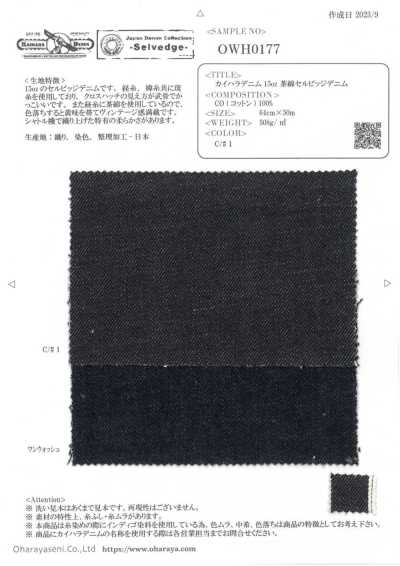
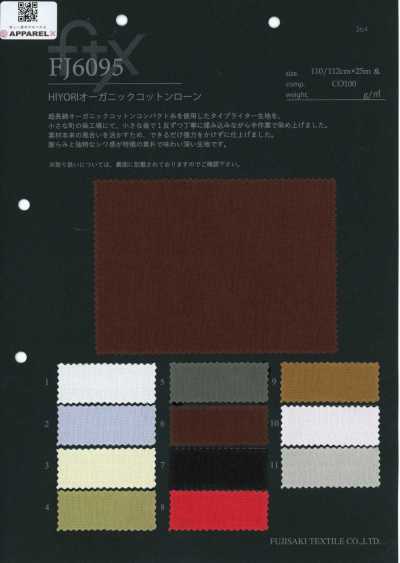
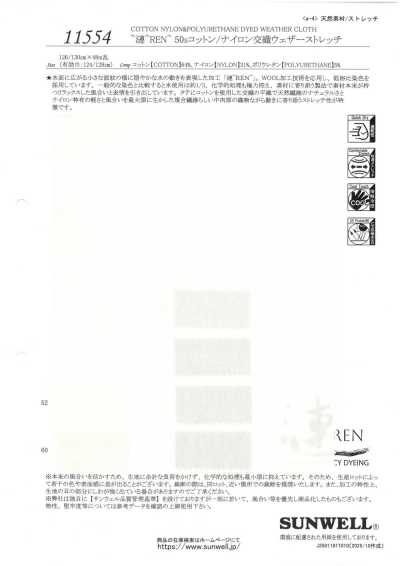
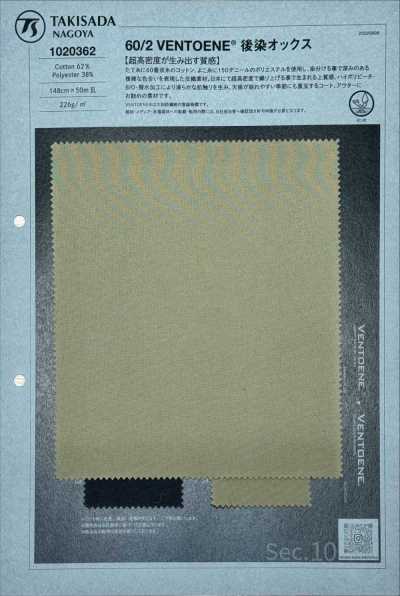
Contents6 sections
Definition and Overview
Cross dyeing is a method of color separation that uses the difference in dye affinity between dissimilar fibers combined in union fabrics or knitted fabrics, or between fibers of the same type with different dyeability. It can produce different shades in a single dye bath, or by dyeing in separate steps.
In woven fabrics that combine different materials in the warp and weft, the crossing of yarns makes the colors appear blended. It is characterized by the ability to create a color with depth, even while it appears solid, or a complex heather-like expression.
Features and Appearance
Because the color appears according to the construction of the yarns, this differs from expressions that place a pattern on the surface like printing. Depending on the viewing angle, how the light hits it, and the texture’s uneven surface, it may appear as a deep tone with two or more colors blended together.
The hand feel is not determined by cross dyeing itself, but is affected by the combination of fibers, yarn thickness, woven or knitted structure, and finishing. With a combination of cotton and polyester, material design is carried out to combine the look of a natural fiber with the characteristics of a synthetic fiber.
- Color differences are created by using the different dyeing properties of different fibers.
- It is also used in combinations of cationic-dyeable polyester and standard polyester.
- Even in solid fabrics, it may create a visual effect close to heathered or iridescent coloring.
Main Applications
The deep color tones created by cross dyeing are used in shirts, blouses, dresses, pants, jackets, and light outerwear. It is also suitable for materials that make use of the texture of the structure, such as high-density fabrics, seersucker, and jersey.
Lightweight to medium-weight materials with a cool feel are often used for spring and summer clothing, while materials designed to have a wool-like appearance are also used for autumn and winter clothing. Applications are judged not by season alone, but by combining factors such as fabric thickness, breathability, and warmth retention.
How to Choose and Handling Precautions
When planning, check not only the blend ratio but also which yarns or fibers are designed to dye to which colors using a fabric swatch. Since the appearance can change depending on the lot, dyeing conditions, and lighting environment even with the same color name, confirm the color tone with a lab dip or production sample before mass production.
In fabrics that combine different fibers, the water absorption and heat response differ by fiber. Shrinkage, wrinkling, and dimensional changes from washing or steaming should be checked in accordance with the fabric specifications and care label instructions, and if necessary, laying the fabric flat to relax or checking shrinkage rate should be performed before cutting.
In sewing, match the iron temperature and steam volume to the fabric to prevent sewing shrinkage and puckering. It is also important to confirm in advance through testing that sewing thread, interlining, tape, and other trims do not cause color transfer or differences in shrinkage after washing.
Differences from Similar Terms
Yarn dyed refers to a method of dyeing the yarn before weaving or knitting. In contrast, cross dyeing is a concept of creating color differences within a single fabric by using differences in dye affinity, and cannot be distinguished simply by whether it is yarn dyed or piece dyed.
Piece dyed refers to the process of dyeing fabric after weaving or knitting. Even a piece dyed fabric can be cross dyed if it uses differences in dyeability between dissimilar fibers. Printing is a method of expressing a pattern on the surface with dyes or pigments, and its principle of expression differs from cross dyeing.
Frequently Asked Questions
Are cross dyed fabrics prone to fading?
Whether a fabric is prone to fading cannot be determined by cross dyeing alone. Wash fastness and rub fastness vary depending on the fibers used, dyes, dyeing conditions, and finishing. For washing with light-colored items, rubbing, and color transfer when wet, check the fabric test results and care label instructions.
What is the difference between cross dyeing and heathered coloring?
Heathered coloring often refers to an appearance that looks as if multiple colors of fibers or yarns are blended together, and the method of expression is not limited. Cross dyeing is a dyeing method that uses differences in dye affinity between fibers. Some fabrics dyed by cross dyeing may appear heathered, but the two terms are not synonymous.
Should shrinkage be checked before sewing cross dyed fabrics?
Yes, confirmation is necessary. In particular, union fabrics and knitted fabrics made from different fibers may show different shrinkage or elongation for each fiber during washing, drying, and ironing. In mass production, align the fabric grain, and confirm changes in dimensions before and after cutting, the appearance after sewing, and puckering after washing through sample production.





