Dupion
Dupion is a silk yarn with uneven thickness and slubs, mainly obtained from cocoons made by two silkworms, and it gives woven fabrics a natural neppy appearance and a rich texture.


Contents6 sections
Definition and Overview
Dupion refers to silk yarn reeled from double cocoons and similar cocoons formed by multiple silkworms in one cocoon. Because the fibers are tangled together, it is difficult to reel uniformly, and the yarn is characterized by variations in thickness and slubs. In English, it is called dupion.
It may also be used as a fabric name, but originally it is the name of a yarn. When woven into plain weave or similar structures, the slubs that appear in the weft or warp become part of the surface design, creating a rustic and layered appearance.
Features and Appearance
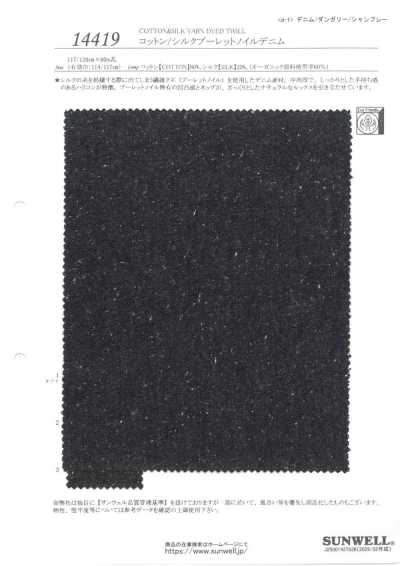
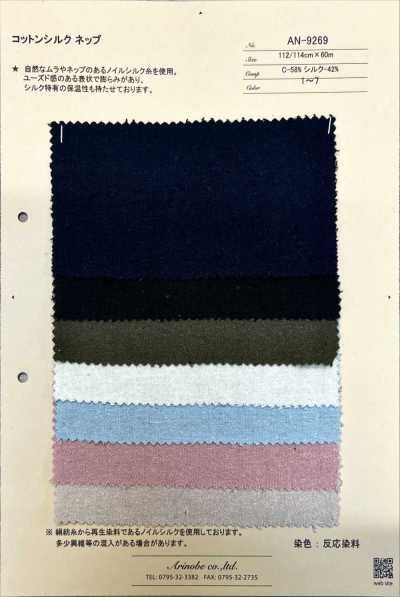
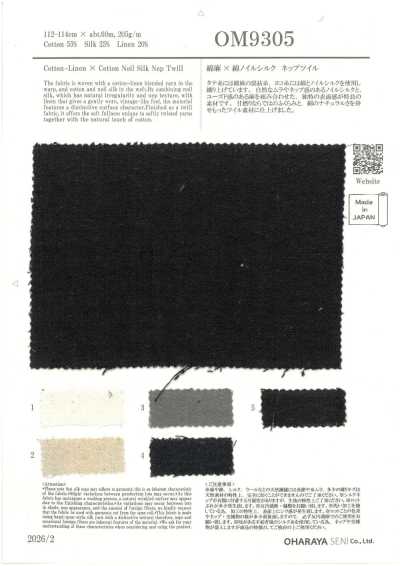
Fabrics made with dupion make the irregular thick and thin sections and slub texture easy to see, giving them a look that differs from silk fabrics woven with smooth, uniform raw silk. Although they have sheen, the slubs create subtle shifts in reflected light, combining a lively appearance with a natural, rough feel.
As with ordinary silk, moisture absorbency can be expected, but hand, drape, and sheerness vary greatly depending on thickness, density, weave structure, and finishing. In dupion, neps and uneven thickness are treated as design features.
Main Uses
Fabrics that make use of the look of dupion are used for jackets, dresses, skirts, blouses, and gowns. When designed with moderate firmness, they are also suitable for items that show a structured silhouette, tucks, and gathers.
Because the material texture stands out, it is sometimes used for spring and summer garments that need visual depth even in solid colors, as well as for formal and festive wear. Depending on whether the fabric is heavy or used on the reverse side, it may be planned without seasonal restrictions.
Selection and Handling Notes
When selecting, check the size, distribution, and visibility of the characteristic slubs of dupion on both swatches and full rolls. The more slubs there are, the stronger the appearance becomes, but because the look changes depending on the area near seams and cutting positions, it is important to confirm with sewing samples before mass production.
Dupion fabrics with silk as the main component may shrink and change in texture and sheen when washed. Follow the care label according to the blend ratio and finishing, and wash or test the fabric as needed before sewing. When ironing, use a pressing cloth and avoid excessive heat or strong pressure.
Because the slub areas are thicker, check the choice of needles and thread, presser foot pressure, and overlapping seam allowances in advance. Since needle holes similar to pin marks may remain, it is necessary to design the process to reduce resewing and to confirm the appearance of the seams.
- Shrinkage differs by fabric, so test before cutting.
- Share limit samples with all related parties so neps are not mistaken for defects.
- On light colors, check for stains; on dark colors, check for color transfer and fading caused by friction.
Differences from Similar Terms
Nep refers to the slub-like bumps that appear on the surface of yarn or fabric. Dupion refers to uneven silk yarn derived from double cocoons and similar sources, while nep is one of the visual characteristics that appears as a result.
Shantung is known as a woven fabric that creates texture by using weft yarns with variations in thickness, such as dupion. Dupion, on the other hand, is the name of a yarn and is not limited to any specific weave structure. In addition, there are yarns and fabrics made from polyester and similar materials that express the thick and thin appearance and slubs of dupion, but their fiber composition differs from natural silk dupion.
Frequently Asked Questions
Is the nep in dupion a fabric defect?
Nep and uneven thickness caused by dupion are basically material characteristics and are used as part of the appearance. However, excessively large slubs, breaks, stains, or weaving irregularities need to be checked separately. In inspection, compare against the sample and set acceptable limits in advance.
Can dupion fabric be washed at home?
Dupion fabrics with silk as the main component cannot be judged uniformly, because washing with water may cause shrinkage and changes in texture. It also varies depending on the blend ratio, dyeing, and finishing. Always check the care label for each fabric, and perform a washing test before making the product.
Is polyester dupion the same as silk dupion?
Polyester dupion may refer to polyester yarn made to look like dupion by adding changes in thickness and slubs. Even if the appearance is similar, the fiber type, moisture absorbency, response to heat, and washing properties differ from silk dupion.