Tightly Knit
Tightly knit refers to a knitted fabric made with a tighter stitch gauge, reducing the spacing between stitches and giving the fabric a firmer feel and more body.
Contents6 sections
Definition and Overview
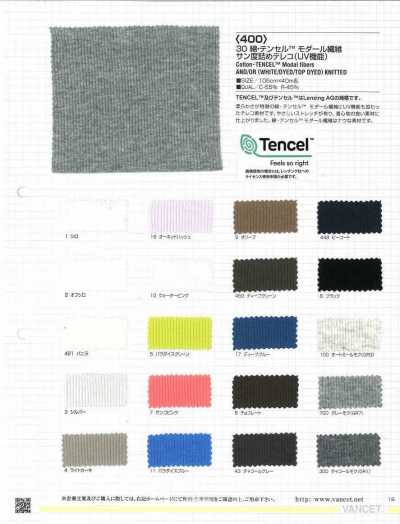
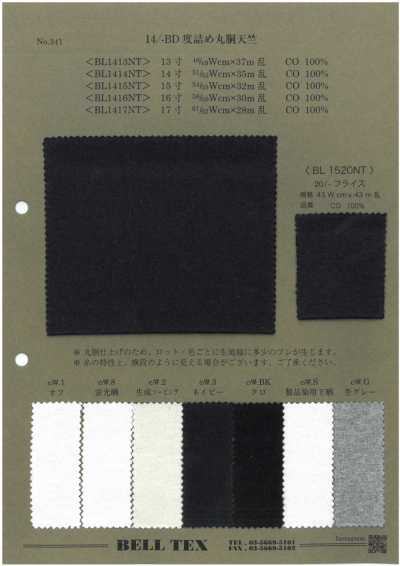
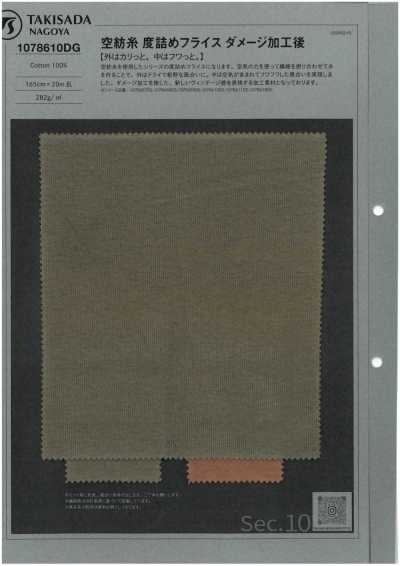
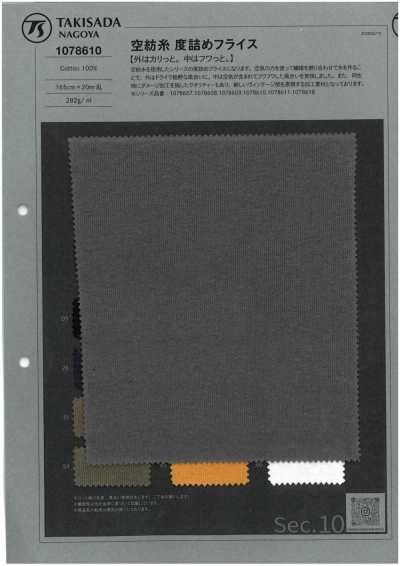
Tightly knit refers to knitting with a tighter stitch gauge, meaning the stitches are worked with less space between them, or to the resulting knitted fabric. It is not a specific structure name or material name, but a knitting condition used for jersey, circular rib, French terry, waffle knit, and similar fabrics.
Even with the same structure, the degree of tightness and the properties of the fabric change depending on the yarn thickness, knitting machine settings, and finishing process. For that reason, it is important not to judge thickness or stretchability based on the “tightly knit” label alone, but to check the specifications together with the actual material.
Texture and Function
In general, tightly knit fabric tends to have a neater surface because the stitches are packed together, giving it a firm, taut feel, resilience, and a look that seems less likely to lose shape. Even in casual materials, it can create a relatively polished and substantial appearance.
On the other hand, because the stitch spacing is smaller, it may feel less stretchy than loosely knitted fabric. Thickness, breathability, stiffness, and skin feel depend on the material, yarn usage, and structure, so being tightly knit should not be treated as a guarantee of function.
Main Applications
Tightly knit jersey is used for products such as T-shirts, long-sleeve cut-and-sew tops, and polo shirts, where moderate thickness and a good shape when worn alone are desired. It is also considered when opacity is important, but the actual sheerness should be checked by color and fabric weight.
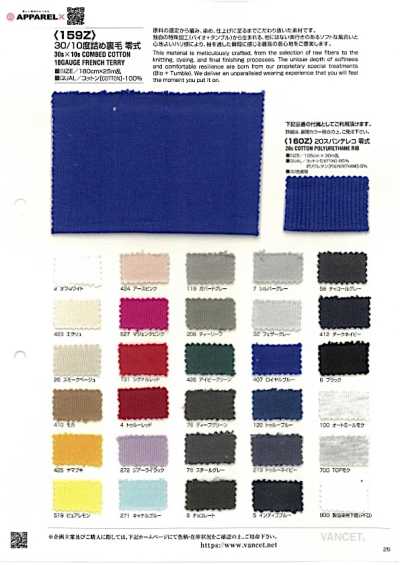
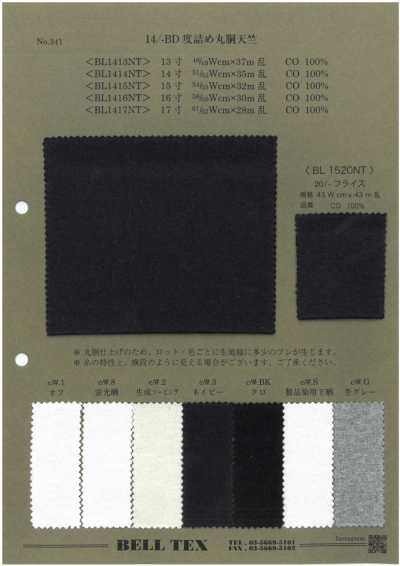
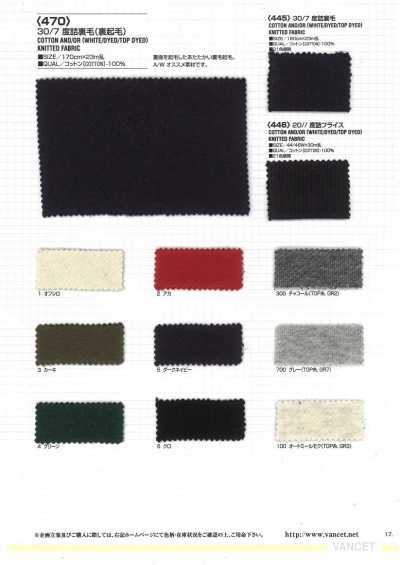
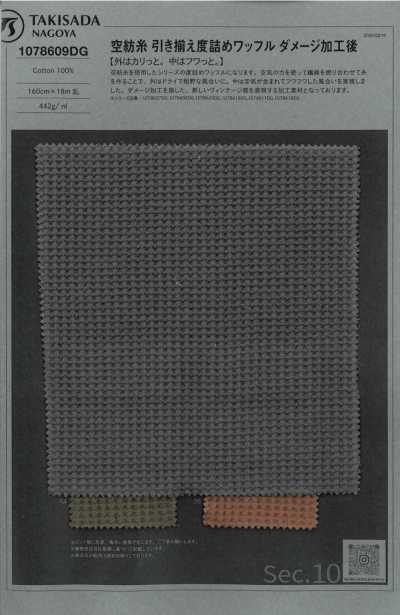
Tightly knit French terry, circular rib, and waffle knit are also used for sweatshirts, rib sections, cut-and-sew items, and sets. By adjusting the structure, material, and fabric weight, fabric design can be tailored to the season and application, not only for spring and autumn.
Selection and Handling Notes
When selecting, in addition to the tightly knit specification, check the structure, blend ratio, fabric weight, fabric width, stretch direction and stretch recovery, and sheerness. When combining the body with trims such as the collar and cuffs, confirm not only color differences but also differences in shrinkage and stretch after washing in advance.
Knit fabrics containing natural fibers such as cotton may shrink through washing and drying. Before cutting, let the fabric rest after rolling to stabilize it, and if necessary, wet it first. Before mass production, confirm dimensional changes using sewn samples that include washing tests.
For sewing, choose stitches and thread that follow the fabric’s stretch, and adjust differential feed and thread tension to prevent seam stretching and puckering. For tightly knit fabrics with thickness or stiffness, determine the needle type and size through trial sewing to avoid needle damage to the stitches.
Differences from Similar Terms
Tightly knit is a term that describes the dense state of a knitted fabric, and it is distinct from structure names such as jersey, circular rib, and French terry. For example, tightly knit jersey refers to jersey knit fabric made with a tighter stitch gauge; tightly knit itself is not another name for jersey.
“Stitch gauge” is a knitting concept that indicates stitch size and compactness. Fabric weight is a specification showing the weight of fabric per unit area; it is related, but not identical. Even tightly knit fabric can be light if fine yarn is used, so both pieces of information should be checked.
FAQ
How is tightly knit jersey different from regular jersey?
Does tightly knit fabric shrink when washed?
Being tightly knit alone does not tell you whether shrinkage will occur or how much. In particular, knit fabrics containing cotton require attention to dimensional change caused by washing and drying. It is important to check shrinkage data for the fabric and perform washing tests on the finished product before mass production.
What should you be careful about when sewing tightly knit fabric?
Choose needles, thread, and stitches suited to the fabric’s stretch and thickness, and check seam stretching, stitch damage, and puckering through trial sewing. If slippage occurs during sewing, adjust the presser foot pressure and differential feed. Before cutting, let the fabric rest and confirm dimensional stability.