Down Proof
Down proof is a woven fabric characterized by a firm, resilient, and durable hand, made by densely weaving mainly cotton yarn.
Contents6 sections
Definition and Overview
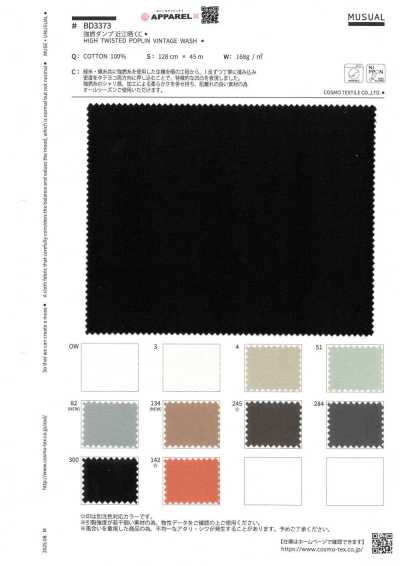
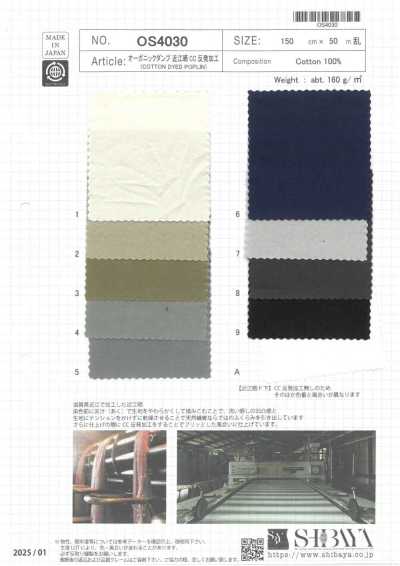
Down proof is a woven fabric generally made by densely weaving yarn mainly made of cotton. It often refers to plain weave, but twill versions are also sold as twill down proof, and the term is used not only for the weave structure but also to describe a firm, dense hand.
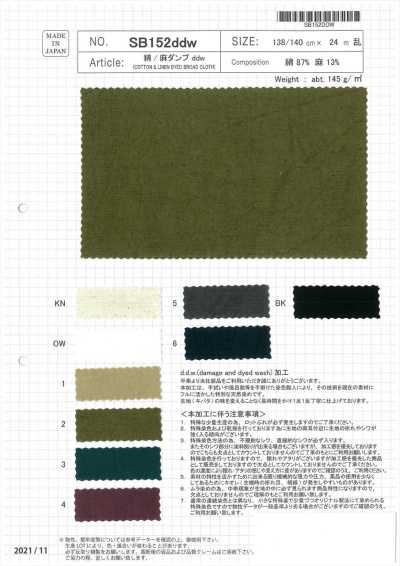
Cotton is the main material, but there are also fabrics made by union weaving linen as the weft. Because thickness and firmness vary depending on yarn thickness, weaving density, and finishing, it is important not to judge the blend ratio or performance from the name down proof alone, but to check the specifications.
Texture and Function
Densely woven construction gives it a relatively smooth surface and a firm resilience that helps it hold its shape. Even in lightweight versions, it does not feel flimsy, making it a textile that is easy to create structured silhouettes with, from casual to neat styles.
Down proof made mainly from cotton has absorbency and may have a dry, skin-friendly feel. On the other hand, softness, stretch, and lightness vary greatly depending on finishing and blended fibers. High density does not necessarily mean waterproofness.
Main Applications
It is used for shirts, blouses, dresses, skirts, and pants. It is also suitable for details that make use of firmness, such as collars, sleeves, tucks, and gathers. Types with high density and fabric weight are also used for light outerwear and workwear-style items.
The season is chosen according to the fabric thickness and blend ratio. Lightweight cotton down proof is suitable for spring and summer shirting, while thicker versions and twill down proof are suitable for spring and autumn bottoms and outer layers. Union fabrics with linen may be chosen for spring and summer uses that take advantage of their material character.
Selection and Handling Notes
At the planning stage, check the blend ratio, weave structure, fabric weight, fabric width, sheerness, and stretchability. Even within down proof, the surface texture and drape differ between plain weave and twill. If firmness is important, consider high-density items; if comfort and ease of movement are important, consider soft-finished items or items with stretch.
Fabrics containing cotton may shrink or wrinkle after washing or prewashing. Before mass production, carry out trial sewing and washing tests to confirm shrinkage and color fading. Before cutting, align the grain, and during sewing, adjust the needle, thread, and feeding conditions according to the fabric firmness to reduce seam shrinkage and puckering.
Differences from Similar Terms
Broadcloth often refers to a smoother, more refined plain weave made with fine yarn, while down proof is used to describe a more resilient, casual texture. However, the boundary between the two overlaps depending on yarn usage and finishing.
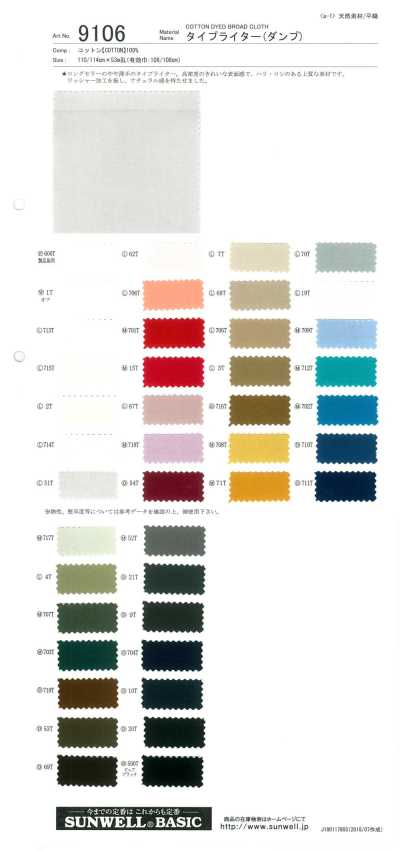
Typewriter cloth is a fabric that often features a high-density, paper-like firmness. It has similar applications to down proof, but the term typewriter cloth specifically refers to the use of very fine yarn at high density. Also, twill down proof shows a twill weave surface, so its appearance differs from plain weave down proof.
Frequently Asked Questions
Is down proof a plain weave?
Plain weave down proof is common, but there are also twill down proof fabrics made in twill weave. Therefore, down proof does not necessarily mean only plain weave. When ordering, check the weave structure such as plain weave or twill weave, the materials of the warp and weft yarns, density, and finishing process using the specification sheet or swatch.
Does down proof shrink when washed?
Down proof made mainly from cotton may shrink when washed with water. The amount of shrinkage varies depending on the yarn, density, dyeing and finishing process, and whether shrink-resistant finishing was applied. Even when product washing is planned, it is necessary to determine whether prewashing before cutting is required and to confirm the shrinkage rate through washing tests before mass production.