Heat Cutting
Heat cutting is an edge-finishing method that cuts ribbon, tape, cord, and similar items while melting synthetic fibers with heat to reduce fraying at the cut edge.
Contents5 sections
Definition and Overview
Heat cutting is a process that cuts narrow materials with a heated blade or similar tool, while melting and fusing the fiber ends at the same time as the cut. For tapes and belts containing synthetic fibers, it can reduce fraying at the cut edge, so the edge-finishing process may be omitted in some cases.
The terms heat cut and hot cut are also used. Ultrasonic cutting is a cutting method that uses heat and pressure generated by ultrasonic vibration; it shares the feature of fusing by heat, but the equipment and mechanism differ from heat cutting with a heated blade.
Suitable Materials and Structures
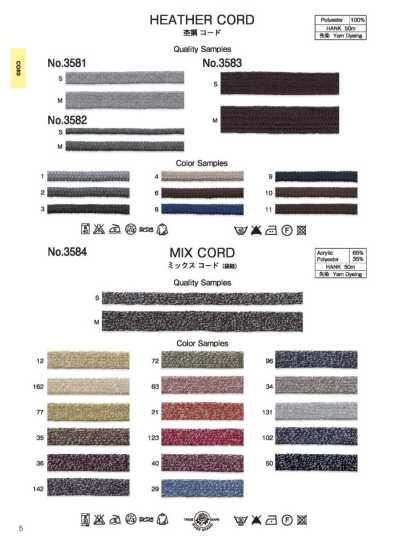
It is suitable for materials made of polyester, nylon, polypropylene, and similar materials that melt and solidify when heated. It is used regardless of structure, including plain weave, twill weave, knitting, and braiding, but the cut edge condition varies depending on yarn thickness, density, blend ratio, and surface finish.
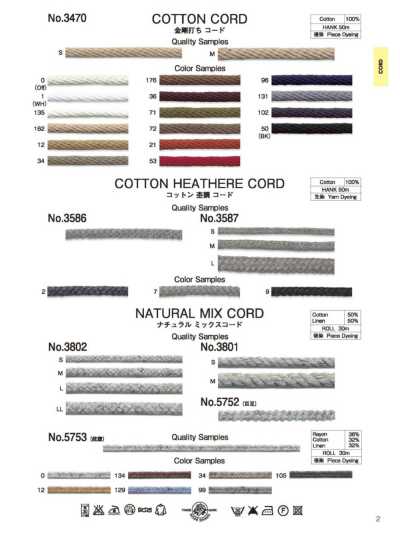
Natural fibers mainly made of cotton, linen, wool, and silk cannot have their edges fused by heat. For products containing non-melting materials, fuzzing, scorching, or fraying may remain, so the suitability of heat cutting should be checked in advance.
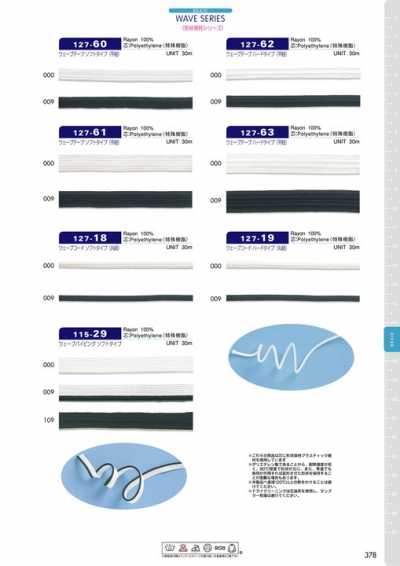
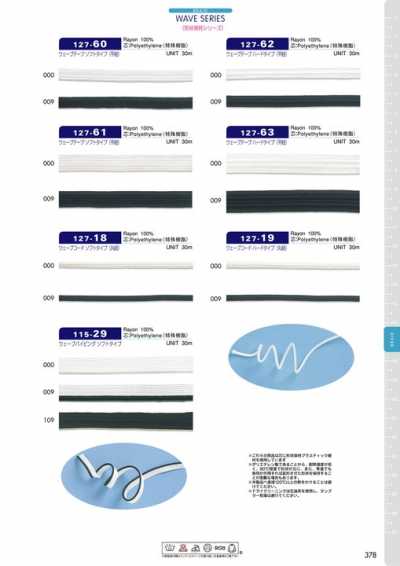
- Tapes mainly made of polyester or nylon are often suitable for heat cutting.
- Thick, core-filled, or fuzzy materials may have a hardened cut surface or incomplete melting.
- Materials containing metallic yarn, resin processing, or adhesive require caution regarding discoloration, odor, and adhesion to the blade.
Dimensions and Main Applications
Tapes and ribbons are generally selected by width, while round cords and cords are selected by thickness or diameter. After heat cutting, the ends may become slightly hard or melted resin may bulge out, so check not only the finished dimensions but also whether the part will touch the skin.
Main applications include edge finishing for belts, handles, loops, cord ends, decorative ribbons, and name items. In specifications where the cut edge is visible, the gloss, color change, and hardness of the fused area affect appearance, so confirmation with an actual sample is recommended before mass production.
Selection and Handling Notes
Do not judge based only on the material label; perform trial cutting under conditions close to the actual width, thickness, color, and whether or not layers overlap. If the heat is insufficient, threads may remain uncut; if excessive, it may cause discoloration, holes, hardening, or molten buildup. Cutting conditions should be set for each material.
Even after heat cutting, repeated friction, bending, or washing may cause the cut edge to split or surrounding threads to pull out. For elastic tapes or knitted materials, do not pull them during cutting, and if necessary protect the end by stitching or folding it in.
A method of melting the edge with a flame is also used, but it tends to apply heat locally and carries the risk of burns, discoloration, and smoke. Ensure ventilation and safety measures during work, and handle products with particular care when applying flame directly.
Frequently Asked Questions
What materials can be heat cut?
It is generally used for ribbons, tapes, and cords mainly made of materials that melt when heated, such as polyester, nylon, and polypropylene. Items mainly made of natural fibers do not fuse easily and are less effective at preventing fraying, so consider another edge-finishing method such as sewing.
Are heat cutting and ultrasonic cutting the same?
Both are used to reduce fraying at the cut edge, but they are not the same method. Heat cutting mainly cuts with a heated blade, while ultrasonic cutting uses heat and pressure generated by vibration. Suitability differs depending on the material, thickness, and desired cut edge.
Can heat-cut tape be washed?
Whether washing is possible depends on the overall tape material, dyeing, processing, and sewing method. The heat-cut end alone does not guarantee wash durability. Conduct a washing test in conditions close to the actual product specification and check for edge splitting, fraying, and discoloration.