High-shrinkage Yarn
A high-shrinkage yarn is a yarn that shrinks more than ordinary yarn when exposed to heat or moist heat, and is used to give fabric bulk, stretch, and three-dimensional texture.
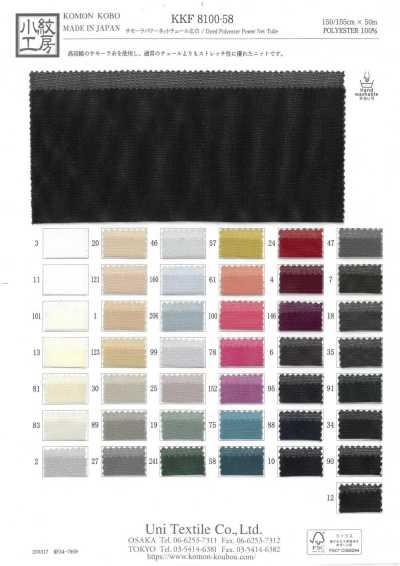
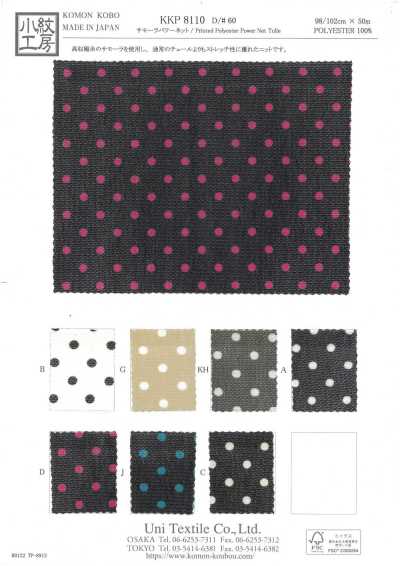
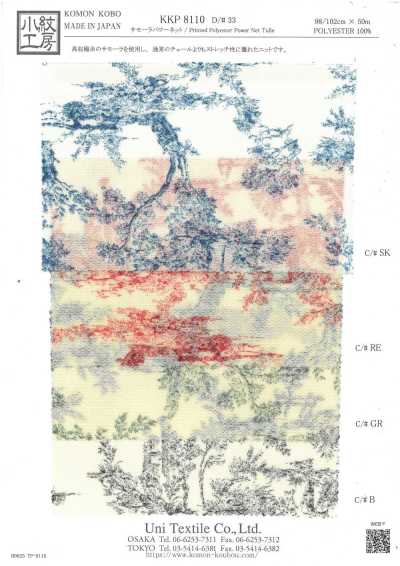
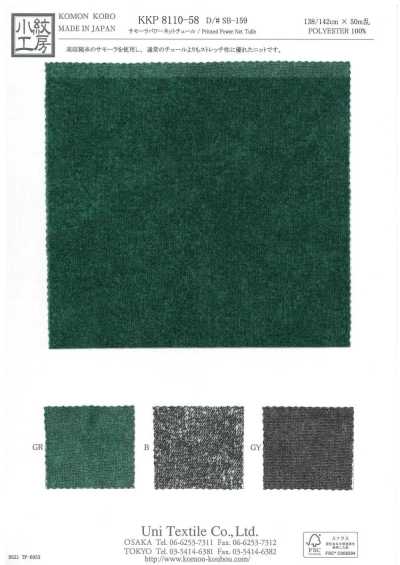
Contents6 sections
Definition and Overview
High-shrinkage yarn is a yarn designed to shrink easily during processes such as dyeing and finishing or heat setting. When combined with yarns that have different shrinkage rates, differences in yarn length are created, giving the fabric bulk, texture, and stretch.
It is often used in polyester filament yarns.
It can be used on its own, or interknit or interwoven with low-shrinkage yarns or normal-shrinkage yarns. As the shrinking yarn tightens the fabric structure and the less-shrinkable yarn appears on the surface, it creates fullness and texture.
Feel and Function
Fabrics made with high-shrinkage yarn tend to feel thicker and fuller despite being lightweight, and they are easy to give a soft resilience. Depending on the structure, the yarns mixed in, and the heat treatment conditions, the surface can be smooth or have a textured, three-dimensional appearance.
In knit fabrics that use shrinkage differences, some designs provide a certain amount of stretch without using polyurethane. However, the amount of stretch and recovery is not determined by the yarn alone; it is also affected by the knitting structure, density, and finishing conditions.
- It can maintain a lightweight feel while appearing bulky.
- Differences in yarn shrinkage can create fullness and texture.
- In knit fabrics, it is also used for applications that require more stretch than ordinary tulle.
Main Applications
It is used in knit fabrics and woven fabrics that require stretch, a lightweight feel, and a three-dimensional look. In addition to tulle, mesh, linings, blouse fabrics, and dress materials, it is also used in materials for innerwear and lingerie.
Its applications vary depending on the design, from spring and summer materials that need moderate fullness even in thin fabrics, to autumn and winter materials that make use of airy bulk. Seasonality is judged not by the high-shrinkage yarn itself, but by the fabric thickness, structure, and finish.
Selection and Handling Notes
When selecting, check not only the material name and blend ratio, but also the finished fabric width, fabric weight, shrinkage rate, and recovery rate after finishing. Because fabrics made with high-shrinkage yarn can change in dimensions and feel through heat treatment, it is important to confirm the final result with a finished sample during the planning stage.
Before cutting, relax the tension in the fabric by releasing the bolt, and if necessary, consider sponging or washing. In sewing, do not suppress the stretch or shrinkage of the fabric; adjust feed amount and thread tension. To avoid seam shrinkage and puckering, carry out sewing tests and washing tests before full production.
Depending on washing and ironing conditions, additional shrinkage or changes in shape may occur. Set care instructions suitable for the product, and confirm dimensional changes through tests including home laundering, tumble drying, and steam ironing.
Differences from Similar Terms
High-shrinkage yarn is the name for yarn with a property that makes it shrink easily when exposed to heat or similar conditions. False-twist yarn is a processed yarn that has crimp added by false twisting. It shares the goal of providing stretch and bulk, but the yarn processing method and shrinkage mechanism are different.
Stretch is a broad term indicating that a fabric or product has the ability to stretch. High-shrinkage yarn is one way to achieve stretch, but it does not necessarily provide large elongation or elastic recovery like polyurethane. Shrinkage rate is a measurement of how much a fabric or product shrinks after processing, and it does not refer to high-shrinkage yarn itself.
Frequently Asked Questions
Can high-shrinkage yarn make a stretch fabric without polyurethane?
It may provide a certain amount of stretch, but it does not always achieve the same elongation or recovery as polyurethane-blend fabric. Because performance changes depending on the shrinkage difference, knitting structure, density, and finishing conditions, check the stretch recovery rate according to the intended application.
Does fabric made with high-shrinkage yarn shrink significantly when washed?
If shrinkage is sufficiently developed and stabilized during finishing, dimensional changes during use may be reduced. However, depending on the material composition and heat history, additional shrinkage may occur during washing, drying, or ironing. Confirmation through washing tests suited to the product conditions is necessary.