Brush Dyeing
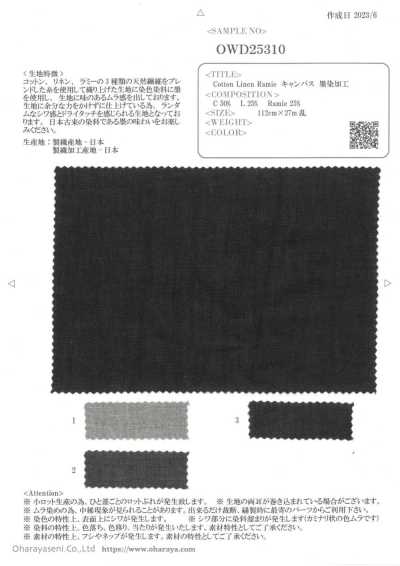
Brush dyeing is a dyeing technique in which dye liquor is brushed onto stretched fabric to create solid colors, gradations, and shades.
Contents6 sections
Definition and Overview
Brush dyeing is a dyeing technique in which a brush soaked with dye liquor is moved in one direction over fabric stretched flat to apply color. Unlike immersion dyeing, in which the fabric is dipped into dye liquor to color the whole piece, the artisan adjusts the brush movement and how much dye is loaded onto the brush while applying the color.
The name comes from the act of pulling the dye across the fabric with a brush. It has mainly been used for kimono fabric and other garment-length textiles made of silk, but the appearance and suitability vary depending on the material, dye, and finishing conditions.
Features
Subtle color variations, brush marks, and blurring are easy to create through the movement of the brush, giving it a handmade look that differs from flat machine dyeing. On the other hand, it can also be dyed to a uniform solid appearance, and the look varies greatly depending on the technique and the artisan's adjustments.
The hand feel is affected by the fibers of the base cloth, pretreatment, the dye used, and setting and aftertreatment conditions. The brush dyeing technique itself does not uniformly impart functions such as softness, luster, or absorbency.
Main Applications
Because it can bring out blurring and delicate shading, it is used for kimono, obiage, scarves, and other traditional and apparel textiles. Since changes in color can be shown as a design feature, it is also applied to blouses, dresses, skirts, and materials for costumes.
On lightweight materials with sheerness, overlapping colors and shading are easier to see, making it suitable for spring and summer light clothing as well. On heavier fabrics and brushed fabrics, the appearance of the brush marks differs, so the actual material should be checked for each intended use.
Selection and Handling Precautions
When planning, in addition to the desired color tone, confirm whether the brush marks should be visible, whether overall consistency should be prioritized, and the position and direction of the blurring. Because left-right differences or differences in shading between parts may stand out after cutting, it is important to review the appearance of the fabric roll and consider the required length and placement.
The degree of shrinkage, color fading during washing, and color transfer due to friction varies depending on the base cloth, dye, and the conditions of setting and finishing. Before sewing, check whether water washing is necessary, and test for friction on a wet state, press marks during sewing, and discoloration or color transfer caused by ironing.
- For dark-colored fabrics or fabrics with shading, check for color transfer to white or light-colored accessories and linings.
- Check the direction of the brush marks and blurring relative to the grain before cutting.
- Follow the care label and test results for each fabric when deciding the washing method.
Differences from Similar Terms
Immersion dyeing is a method of dyeing by dipping the entire fabric into dye liquor. Brush dyeing differs in that dye is applied to the surface of the fabric with a brush, making it easier to design color gradation and brush-created expression.
Printing is a finishing process that uses screens, digital data, or other methods to create patterns on fabric. Brush dyeing refers to dyeing with a brush and is not necessarily a technique for creating clearly outlined patterns. Resist dyeing differs in that resistant areas are created by tying, sewing, pressing, or other methods.
Frequently Asked Questions
Can brush-dyed fabric be washed at home?
Whether washing is possible is determined not by whether it is brush dyed, but by the type of fiber, dye, setting treatment, and aftertreatment. If home washing is anticipated, check the washing fastness, rubbing fastness, and shrinkage rate in advance, and attach care instructions to the product based on the test results.
How should brush dyeing and printing be used differently?
Brush dyeing is suitable when you want to make use of the flow of color, blurring, and natural shading created by the brush. If you want to place highly repeatable patterns, fine outlines, or multi-color designs in a stable way, printing is generally the easier method for controlling the design.