Kimono Fabric
Kimono fabric is a term for a bolt of cloth, or the fabric itself, woven mainly in a narrow width and to the length needed for making one kimono.
Contents6 sections
Definition and Overview
Kimono fabric refers to a bolt of cloth prepared for traditional Japanese kimono, or the fabric itself. It is not a term indicating the weave or fiber type of the fabric, but rather a name based on the intended use and size system for making kimono. It is also called kimono-length fabric.
It is often handled as a narrow-width bolt, narrower than ordinary dress fabric, and is suitable for traditional tailoring that cuts the body and sleeves in straight lines. Width, length, and selvedge specifications vary by item, so the labeling should be checked.
Features
The texture, function, and appearance of kimono fabric vary greatly depending on the material, such as silk, cotton, linen, wool, or synthetic fiber, as well as the weave structure, dyeing, and pattern. For that reason, the name alone does not indicate sheen, sheerness, warmth, or wrinkle resistance.
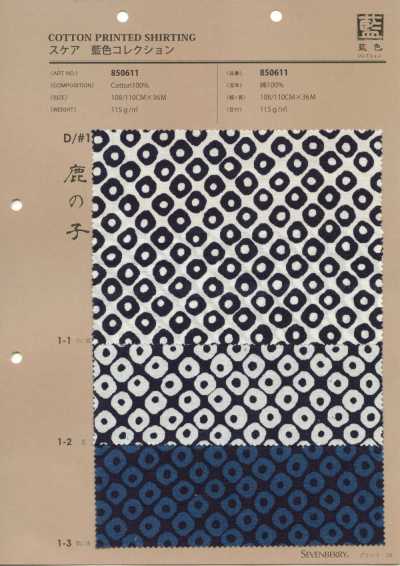
In patterned goods, some have designs that continue along the length of the bolt, while others are arranged with the finished garment parts in mind. If the direction or placement of the pattern is incorrect when cutting, the design will be disrupted, so it is important to spread out the whole piece and check it carefully.
- It is often narrow-width, making it easy to cut and tailor for traditional kimono sewing.
- In constructions that keep the selvedge, the condition of the selvedge and whether a selvedge label is attached also affect the appearance.
- Depending on the material and finishing, drape, stiffness, and seasonal suitability differ.
Main Uses
It is mainly used as the outer fabric of kimono, and its applications range from everyday wear to garments intended for formal occasions, depending on the material, pattern, and finish. For summer use, fabric with breathability and sheerness may be chosen, while for colder seasons, fabric with warmth and thickness may be selected.
In addition to kimono, it is also used for haori jackets, Japanese-style accessories, stage costumes, and Japanese-style miscellaneous goods. However, when it is repurposed for clothing or bags, the narrow width means the required yardage and seam placement must be planned in advance.
Selection and Handling Notes
When selecting, confirm whether the bolt width and length match the maker’s measurements, the pattern type, and the tailoring method. If the fabric has directional patterns or large motifs, allow for pattern matching and the required yardage. Also check the fiber content, blend ratio, care instructions, and shrinkage rate in advance.
For natural fibers and materials that change easily when washed, shrinkage or changes in texture may occur. Whether to wet-finish or steam-shrink the fabric before tailoring depends on the material and sewing method, so it is necessary to confirm with tests and with the sewing contractor.
In sewing, follow the grain correctly and inspect the bolt for flaws, uneven dyeing, and pattern misalignment before cutting. For thin fabrics, slippery fabrics, or fabrics that fray easily, match the needle, thread, and seam finishing to the fabric to prevent seam puckering and puckering.
Differences from Similar Terms
Roll refers to the commercial unit for fabric wound into a roll, or the roll itself. Kimono fabric indicates the intended use for kimono, and when it is distributed in bolt form, it may be expressed as one roll of kimono fabric.
Garment length refers to the amount of fabric needed to make one garment. Kimono fabric may also be assumed to be for one garment, but kimono fabric is a term for Japanese-style garment fabric, while garment length is a yardage concept used for both Japanese-style and Western-style clothing.
Frequently Asked Questions
Is kimono fabric always silk fabric?
No. Kimono fabric is not a material name; it is a term for fabric or a bolt prepared for kimono. In addition to silk, cotton, linen, wool, and synthetic fibers are also used. When purchasing or deciding specifications, do not judge by the label alone; check the material, weave, finish, and care instructions.
Can Western clothing be made from kimono fabric?
Yes, but in many cases the width is narrower than Western dress fabric, so the required length and seam placement need to be considered. For large patterns or directional patterns, pattern matching can increase the yardage needed. Check the overall pattern layout and usable width of the bolt before cutting.
Does kimono fabric need pre-washing before tailoring?
The need depends on the material, the finish, and how the finished garment will be cared for. For fabrics that may shrink when washed, wet-finishing or steam-shrinking should be considered. On the other hand, some materials are sensitive to water, so always check the fabric care information and conduct tests if necessary.