Insertion Lace
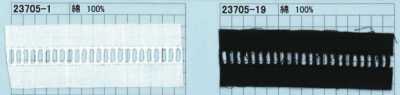
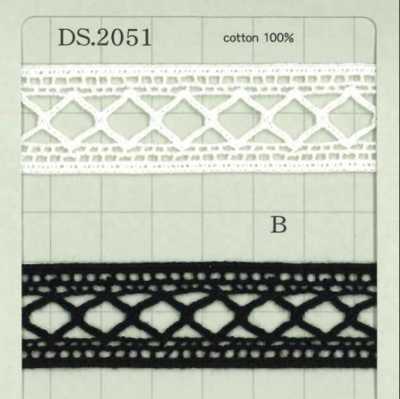
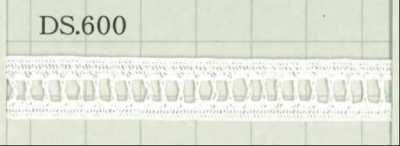
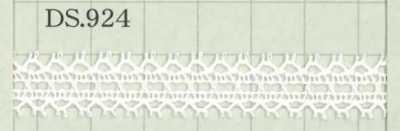
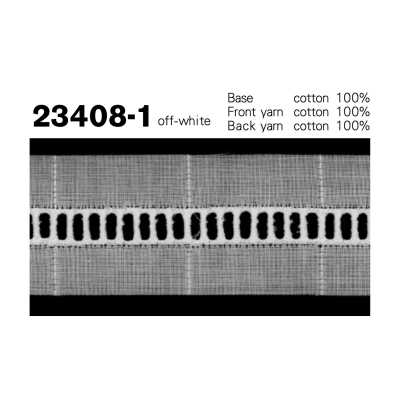
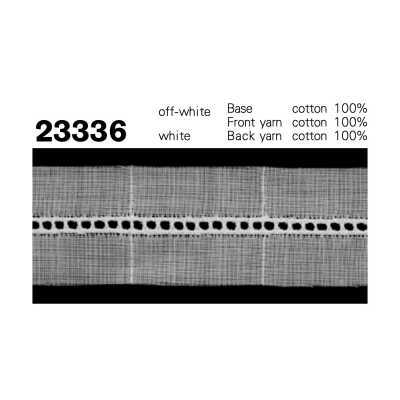
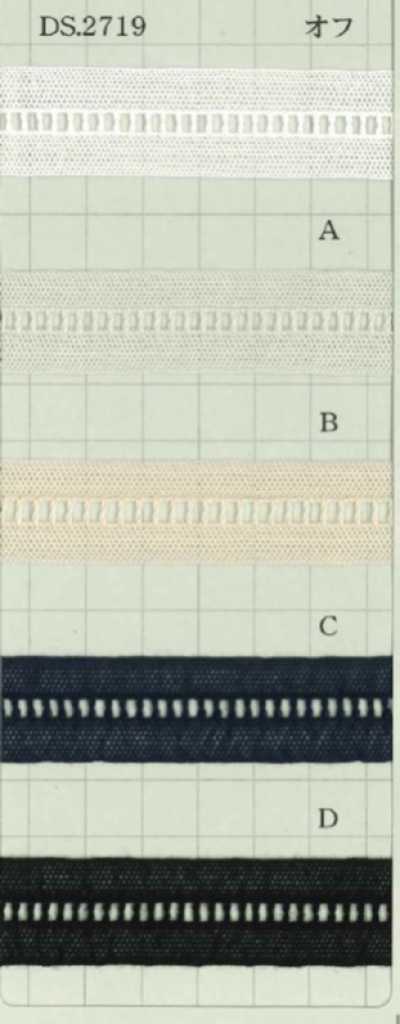
Insertion lace is a decorative lace used by inserting a narrow lace with straight finished edges on both sides between fabric seam lines or panel joins.

Contents6 sections
Definition and Overview
Insertion lace is a lace used by inserting it between the fabric and fabric of garments and accessories. In general, it has straight selvages on both sides with no large decorative overhang, making it easy to apply continuously along seam lines.
The term insertion means “to insert” and does not refer only to a specific knitting or weaving method. It is a name for the shape and use of lace, and there are many variations in pattern, material, and manufacturing method.
Construction and Materials
Insertion lace includes types made by braiding yarn into cord-like forms, types made on knitting machines, and types that are embroidered on a ground fabric to create openwork patterns. There are openwork patterns, geometric patterns, floral patterns, and more, and the stitched portions on both sides are made relatively flat.
Materials include cotton, polyester, nylon, rayon, and silk. Depending on the material and manufacturing method, softness, sheen, thickness, stretch, and ease of handling when washing differ, so selection is based not only on appearance but also on sewing conditions.
Appearance and Main Applications
Because a fine openwork line is added between pieces of fabric, it can make seam changes look lighter or emphasize vertical and horizontal lines. Unlike lace used to decorate an edge, its defining feature is that decoration can be added inside the outer fabric.
It is used for blouses, dresses, skirts, lingerie, nightwear, and baby and kids' clothing, as well as aprons and pouches. When used on lightweight fabrics, the sheerness of the lace is either used to advantage or paired with a second fabric layer, depending on the design stage.
- Seam lines on the bodice or sleeves
- Decoration on yokes or plackets
- Horizontal seam changes on skirts
- Accents on underwear and nightwear
- Decorative seam changes on accessories and interior goods
Selection and Handling Precautions
When selecting, check the width, pattern direction, stitch-down width on both sides, and the stretch of the lace itself and the base fabric. In combinations with a large difference in stretch, waviness or puckering is likely to occur after sewing, so it is important to confirm feed amount and thread tension with a test stitch.
For types whose cut edges or thread ends are prone to fraying, allow enough seam allowance and consider edge finishing. Wash according to the care label, and place delicate lace in a laundry net to reduce friction with other items. If it contains synthetic fibers that are weak to heat, pay attention to the iron temperature as well.
Differences from Similar Terms
Frill lace is mainly used by sewing down one side and showing pleats or a decorative edge on the other side. A scallop refers to a decorative wave-shaped or mountain-shaped edge. In contrast, insertion lace is distinguished by being sewn in on both sides and inserted between pieces of fabric.
Ladder lace is a type of lace with a ladder-like openwork section. A ladder-like pattern may be used for insertion purposes, but ladder lace is a term for the pattern and structure, whereas insertion lace is a term for the shape and use.
Frequently Asked Questions
Does insertion lace stretch?
Whether it stretches depends on the manufacturing method and material. Stretch types containing polyurethane and knitted lace may stretch, but lace made mainly of cotton often has little stretch. Check the difference in stretch from the base fabric and do a test stitch.
Do the edges of insertion lace fray?
It depends on the edge construction. Lace with stable selvages is relatively resistant to fraying, while cut sections and areas where embroidery thread is loose may fray. Carry out treatment according to the specifications, such as enclosing it in the seam allowance or securing the edges with stitching.
Can insertion lace be washed?
Whether it can be washed depends on the material, dyeing, and whether there is decoration, so follow the care label for each product. If washing at home, use a laundry net and avoid snagging or friction with other clothing. A tumble dryer or high-heat ironing may cause deformation.
- Search products for "insertion lace"
- Products with material "Cotton"
- Products with material "Polyester"
- Products with material "Nylon"
- Products with material "Rayon"
- Products with material "Silk"
- Products for style "For Shirts/blouses"
- Products for style "For Skirts And Dresses"
- Products for style "For Lingerie"
- Products for style "For Nightwear"
- Products for style "For Costumes/dresses"
- Products for style "For Kids"
- Browse Lace products