Jet Dyeing
Jet dyeing is a piece-dyed method that uses the flow of dye liquor to circulate textile within the dyeing machine, bringing out softness, loft, and a natural look through dyeing and kneading action.
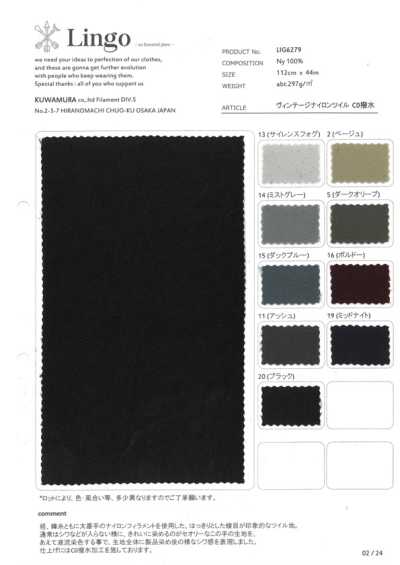
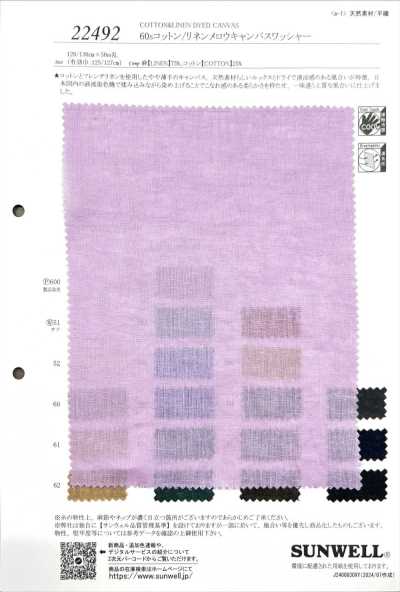
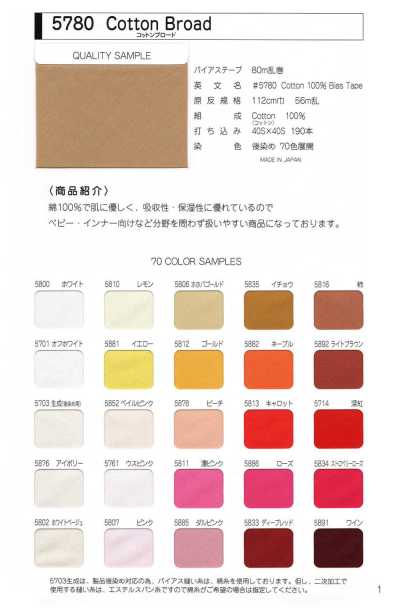
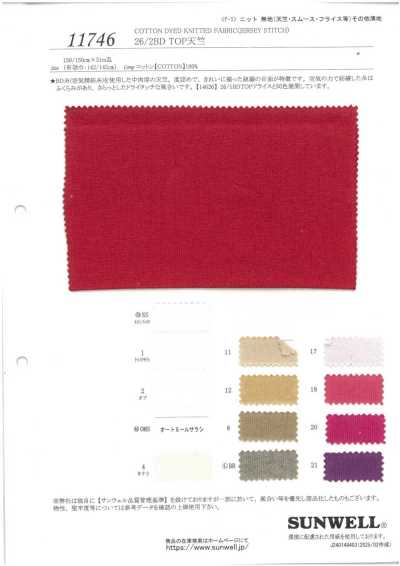
Contents6 sections
Definition and Overview
Jet dyeing is a dyeing method in which textile is formed into a rope shape, passed through the dyeing machine, and circulated by the force of the dye liquor sprayed from nozzles. It combines the process of allowing the dye to penetrate the fibers with the physical action created by the textile moving in the liquor.
“Jet” does not refer to a fabric construction or material name, but to a dyeing method mainly used for piece dyed goods. Even with the same jet dyeing, the resulting color and hand vary depending on the type of fiber, density, pretreatment, finishing, and dyeing conditions.
Hand and Appearance Characteristics
Because the textile moves in the dye liquor and is treated as if kneaded, this method generally makes it easier to produce softness, loft, and a relaxed look. For high-density woven fabrics, it can also be used to soften firmness while aiming for a matte, natural surface texture.
On the other hand, even if a textile has been jet dyed, it does not necessarily have functions such as water repellency, quick-drying absorbency, or stretch. These depend on the fiber properties and separate functional finishes, so they should be checked in the specifications or test data.
Main Applications
It is used for various fabrics including woven fabrics made from synthetic fibers such as nylon and polyester, as well as cotton and rayon. It is chosen when you want to reduce the original firmness of the material or add a natural, washed look.
It is used for shirts, blouses, dresses, skirts, pants, blousons, and outerwear for light apparel. It covers everything from lightweight fabrics to medium-weight high-density fabrics, but suitability depends on the fabric design and the equipment conditions of the dyeing factory.
Selection and Handling Notes
When selecting jet-dyed goods, check not only the color but also the fabric weight, thickness, firmness, loft, and surface wrinkle effect with an actual sample. Before mass production, it is important to confirm conditions through lab dips or prototypes, considering that differences in hand and hue may occur between the sample roll and the production roll.
Because the process involves moving the textile in a wet state, dimensional change, skewing, wrinkles, and surface unevenness may occur depending on the material and structure. Before cutting, let the fabric relax off the roll and straighten the grain, and in sewing, check grainline, puckering, and seam shrinkage before deciding on mass-production conditions.
Do not judge washing methods from the name jet dyeing alone; follow the blend ratio, post-processing, and care label. For dark-colored goods, also assume the possibility of color transfer due to rubbing or washing, and check rubbing and wash fastness if necessary.
- If natural wrinkle effects or surface changes are part of the design, share an approved reference sample.
- Compare dimensions before and after sewing, and reflect shrinkage rates in the pattern.
- Test fusible interlining adhesion conditions on the actual fabric and confirm appearance changes.
Differences from Similar Terms
Piece dyed is a general term for dyeing fabric after it has been woven or knitted, and jet dyeing is one specific dyeing method for that purpose. Yarn dyed means dyeing the yarn before weaving or knitting, so the process and the way patterns can be expressed are different.
Washer finish often refers to a finish that gives a wrinkled or washed look, and in some cases its purpose and process may overlap with jet dyeing. However, jet refers to the dyeing machine and the processing method used during dyeing, so the two are not synonymous.
Frequently Asked Questions
Does jet dyeing always make the fabric softer?
It tends to make softness and loft easier to achieve, but the hand will not always be the same. It changes depending on the type of fiber, yarn usage, structure, density, pretreatment, and finishing conditions. When adopting it, check not only swatches but also samples made under conditions close to mass production.
Is jet dyeing a method used only for nylon?
Do jet-dyed goods shrink easily?
It is not possible to judge shrinkage tendency uniformly from jet dyeing alone. Dimensional change may occur due to wet heat and fabric movement during dyeing, so shrinkage rates should be checked during planning. If product washing is planned, testing and pattern adjustments that include that process are necessary.