Jofu
Jofu is a general term for a thin, lightweight, crisp woven fabric made with fine yarn, mainly using linen fibers such as ramie.
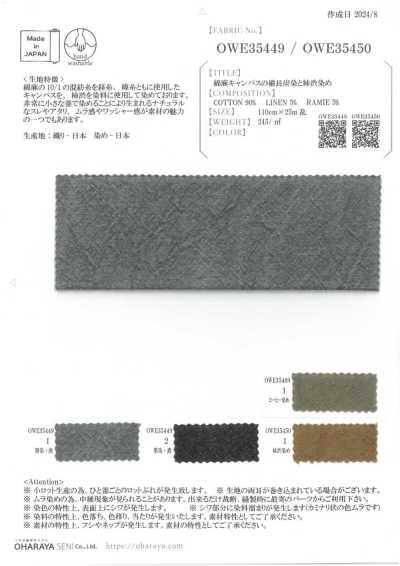
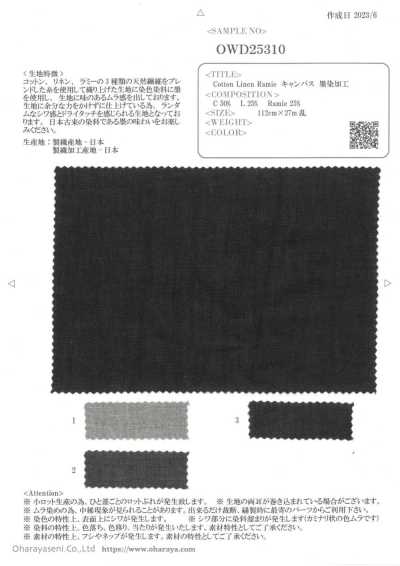

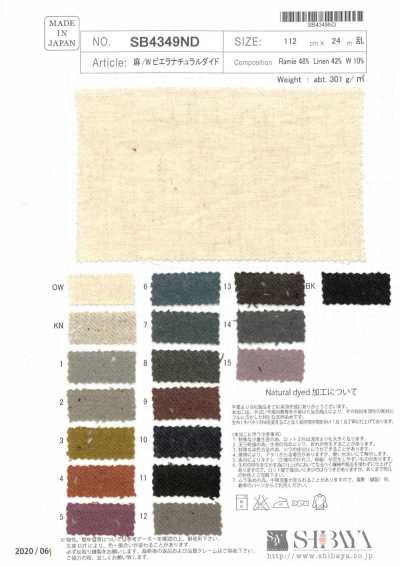
Contents6 sections
Definition and Overview
Jofu refers to a thin woven fabric made with fine linen yarn. In particular, those made with ramie are typical, and it is also known by names that include the place name, such as Echigo Jofu, Miyako Jofu, and Omi Jofu.
However, Jofu is not a term that refers only to the weave structure. It is often used to include the raw material, yarn fineness, weaving and finishing, and the background of the production area, so material specifications and standards need to be checked for each fabric.
Hand Feel and Function
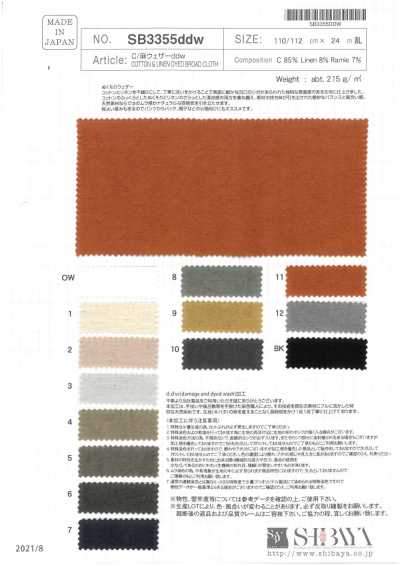
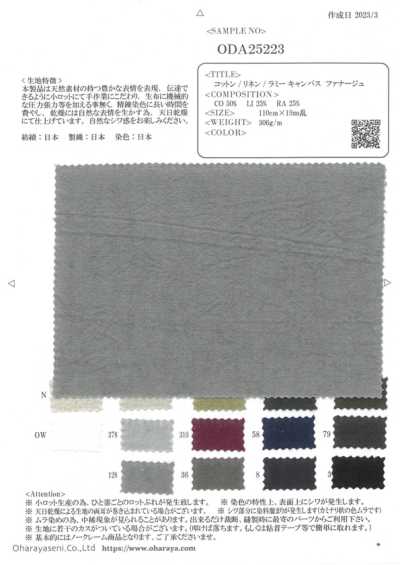
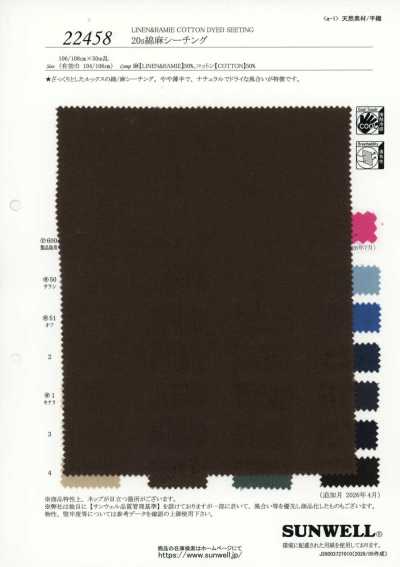
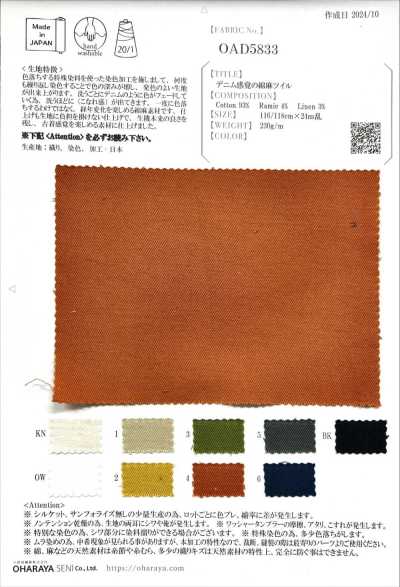
Jofu is characterized by a dry, crisp touch, the firmness and resilience typical of linen, and a restrained sheen. Depending on the yarn and weave density, it can create a delicate sheerness and visually express coolness.
It makes good use of moisture absorption and breathability and does not cling closely to the skin, making it suitable for hot seasons. On the other hand, due to the nature of linen fibers, it is prone to wrinkles, and uneven yarn slubs or fiber thickness may appear as part of its texture.
Main Applications
In Japanese clothing, it is used as a material for summer kimono and obi-related items. In Western clothing, it is suitable for spring and summer items that take advantage of lightness and a cool feel, such as shirts, blouses, dresses, and skirts.
For thin fabrics that are prone to sheerness, lining or a petticoat may be combined, and the front placket, collar, and pocket openings are reinforced with interfacing or a separate fabric to adjust shape and durability.
- Summer kimono
- Shirts and blouses
- Dresses and skirts
- Light outerwear
How to Choose and Handling Precautions
When selecting, check not only the blend ratio but also the sheerness, fabric weight, density, firmness, and finishing method with the actual product. Even with the same Jofu name, the thinness, stiffness, tendency to shrink, and surface texture of the fabric differ, so trial production suited to the intended use is important.
Fabrics made mainly from linen may shrink or change in texture when washed in water. Before cutting, perform pre-washing or a test wash, and in mass production, check the shrinkage rate according to the care label. In sewing, choose a fine needle and suitable thread, and pay attention to visible needle holes, sewing shrinkage, and puckering along the seams.
Differences from Similar Terms
Ramie is the name of a fiber material, while Jofu is the term for a thin woven fabric made mainly with such linen fibers. Not everything made from ramie is called Jofu.
Lawn and voile are also thin fabrics for summer, but they are generally made from cotton or other materials as well. Jofu is characterized by the crisp feel and fiber texture typical of linen, and it is distinguished from terms that simply mean a thin plain weave fabric.
Frequently Asked Questions
Is Jofu the same as linen fabric?
No, they do not mean the same thing. Jofu is the term for a thin woven fabric made with fine linen yarn, and those made with ramie are typical. Linen is the name of a fiber material made from flax. Check the actual raw material by the blend ratio indication.
Can Jofu be washed at home?
Whether it can be washed depends on the blend ratio, dyeing, finishing, and sewing specifications of the fabric. If linen is the main material, water washing may cause shrinkage, wrinkles, and changes in texture. Always check the care label, and perform a test wash before productization.
What should be noted when sewing Jofu?
In thin fabrics, needle holes, sewing shrinkage, and puckering are more noticeable, so the needle and thread thickness, thread tension, and stitch length should be matched to the fabric. Check for shrinkage by pre-washing or straightening the grain before cutting, and consider seam finishing in sheer areas as well.