Kakishibu Dyeing
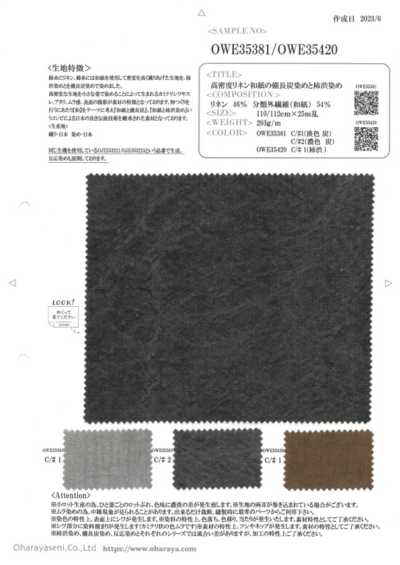
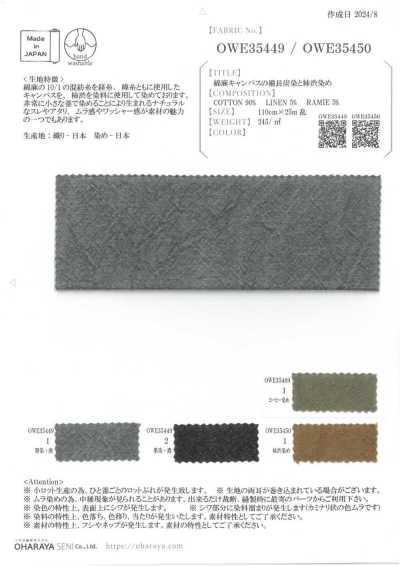
Kakishibu dyeing is a dyeing and finishing process that uses kakishibu, made by fermenting and aging the juice of unripe astringent persimmons, to give fabric a brownish tone, distinctive firmness, and changes over time.
Contents6 sections
Definition and Overview
Kakishibu dyeing is a dyeing and finishing process that uses kakishibu, a dyeing material whose main component is tannin contained in astringent persimmons. The color deepens through processes such as exposure to sunlight and air, resulting in a calm appearance in yellow-brown to reddish-brown tones.
Kakishibu is used not only as the name of a dye but also to refer to fabric dyed with kakishibu, or to the texture created by that finishing process. It is not a term for the fabric structure or raw material, but a type of dyeing and finishing that creates a material expression.
Textural and Visual Characteristics
In general, it is characterized by a dry-looking natural unevenness in color, deep brown tones, and a vintage appearance. The depth and finish of the color vary depending on the textile material, dyeing method, drying conditions, and lot.
The processing may give the textile a sense of firmness or stiffness, but the degree varies depending on the concentration of the kakishibu and any post-processing. Changes in color and texture through wear and washing are also treated as design characteristics.
Functional properties derived from tannin are sometimes introduced, but the performance required for apparel textiles varies depending on the processing conditions. If water resistance, antibacterial properties, UV blocking properties, or similar characteristics are needed, they should be confirmed individually through test results and specifications.
Main Uses and Suitable Items
It is used for shirts, dresses, pants, outer layers, and other items that make use of the expression of natural materials and a Japanese aesthetic. Textiles with firmness are also suitable for bags, hats, aprons, miscellaneous goods, and interior accessories.
The season is determined by the thickness and structure of the material. Lightweight textiles such as linen and cotton are used for spring and summer items, while high-density woven fabrics and heavyweight textiles are developed for autumn and winter outerwear, bags, household goods, and more.
Selection and Handling Notes
During planning, check the color depth, changes caused by sunlight, and fastness against friction and washing using swatches and test data. In mass production, lot-to-lot differences can easily affect appearance, so it is important to share the approval criteria and acceptable range for samples in advance.
Shrinkage is influenced not only by kakishibu dyeing itself, but also by the material characteristics of cotton and linen, weave density, and whether washing processing has been applied. Before cutting and sewing, if necessary, relax the fabric and scouring it with hot water, then align the grain and confirm the required yardage.
Follow the washing instructions on each product's care label. For dark colors, be careful of color transfer due to friction or when wet, and avoid washing with light colors or soaking for long periods. During sewing, confirm needle holes, seam distortion, and puckering caused by the firm texture through prototyping.
Differences from Similar Terms
Plant dyeing refers to dyeing in general using dyes derived from plants, while kakishibu dyeing is the method that uses kakishibu among them. Even if something is labeled as plant dyeing, it does not necessarily mean kakishibu was used.
Pigment dyeing is a method in which pigments are fixed to the surface of the textile with resin or similar agents, and its coloring mechanism and resulting texture differ from kakishibu dyeing. Also, piece dyed refers to the process category of dyeing after the fabric has been woven, and it is classified differently from the name of a dye or finishing process such as kakishibu dyeing.
Frequently Asked Questions
Does fabric dyed with kakishibu shrink when washed?
The degree of shrinkage cannot be determined by kakishibu dyeing alone. It varies depending on the fiber type such as cotton or linen, the weave, any pre-shrinking treatment, and whether the product has been washed. Before mass production, conduct washing tests, confirm dimensional changes, and reflect them in the pattern and specifications.
Does kakishibu dyeing fade or transfer color?
Depending on the dyeing conditions and the material of the textile, the degree of color change or color transfer against friction, perspiration, washing, and light will vary. Dark-colored items in particular require attention to friction and wet conditions during initial wear. Confirm friction fastness and washing fastness according to the intended use.
Are kakishibu dyeing and plant dyeing the same?
Because kakishibu dyeing uses plant-derived kakishibu, it is treated in a broad sense as a type of plant dyeing. However, plant dyeing includes a wide variety of plant dyes and dyeing methods. If you want to check the color tone, processing feel, or changes over time, confirm it specifically as kakishibu dyeing.