Khadi
Khadi is a cotton fabric, mainly made in India by hand-weaving hand-spun yarn, and is characterized by its rustic yarn irregularity and soft texture.
Contents6 sections
Definition and Overview
Khadi is a fabric made mainly in India by hand-weaving hand-spun yarn. Cotton is widely known as the base material, but the materials, weave structures, and finishing methods vary. For that reason, khadi is understood not as the name of a specific weave structure, but as a term for a production method based on handwork and for the fabric itself.
Compared with ordinary machine-spun, machine-woven cotton fabrics, variations in yarn thickness and weave density are more likely to appear, and each piece has a different character. Rather than uniformity, it is a material that makes use of natural irregularity and a handmade feel.
Texture and Function
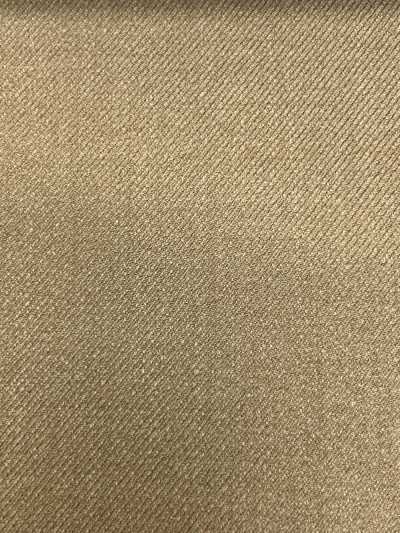
Yarn irregularity, slubs, and weave irregularity derived from hand-spun yarn create a rustic, warm appearance on the fabric surface. In lightweight fabrics, it can feel airy and soft, while heavier yarn counts may give a dry texture and moderate firmness.
Khadi, which is mainly made from cotton, generally has absorbency and is relatively gentle against the skin. However, sheerness, breathability, and drape vary greatly depending on thickness, density, and finishing, so it is important not to judge performance by the name alone.
Main Applications
Its lightness and natural appearance make it suitable for shirts, blouses, dresses, skirts, and tunics. Lightweight fabrics are used for spring and summer clothing and scarves, while heavier, denser fabrics are also used for jackets, pants, and bags.
It is easy to handle off-white, uneven dyeing, and woven texture as part of the design, making it suitable for planning that seeks a natural impression or a handcrafted feel. When using lightweight, sheer fabric for clothing, lining and layering specifications should also be considered.
Selection and Handling Notes
When selecting, check the blend ratio, weave structure, fabric weight, density, and fabric width, as well as the acceptance criteria for yarn slubs and weave irregularity, using a sample. Unevenness derived from handwork is a characteristic of khadi, but whether it will cause problems in sewing or inspection must be agreed on for each project.
Cotton khadi may shrink when washed. Before mass production, conduct a water soak or washing test and reflect the shrinkage rate in the pattern. Follow the washing instructions for each fabric, and for dark colors, wash separately and avoid long soaking to prevent color transfer.
Before cutting, straighten the grain and lay out the fabric while checking the pattern and weave irregularity. For lightweight fabrics or loosely woven fabrics, use a fine needle and test sewing to adjust the thread and presser foot pressure to suit the fabric, in order to prevent needle holes, seam shrinkage, and seam slippage.
Differences from Similar Terms
Khadi is not a weave structure itself. Plain weave and twill are structure names that indicate how the warp and weft intersect, and khadi may also include multiple structures such as plain weave.
Cotton is the name of a fiber, whereas khadi is a term that focuses mainly on the production method of hand-spinning and hand-weaving. Also, machine-woven fabrics made with slub yarn may show yarn irregularity, but a fabric is not called khadi simply because it has yarn irregularity.
Frequently Asked Questions
Is khadi always 100 percent cotton?
Cotton khadi is common, but the blend ratio cannot be determined from the name khadi alone. In product planning and care tags, be sure to check the fiber composition on the fabric specification sheet or the actual product. Even in handwoven fabrics, materials other than cotton or blended yarns may be used.
Are slubs and weave irregularities in khadi defects?
Yarn slubs, uneven thickness, and slight weave irregularities are sometimes treated as characteristics derived from hand-spinning and hand-weaving. However, holes, significant density differences, and areas that lead to reduced strength require separate confirmation. Before adoption, check the sample and share the acceptable range with the production side.
Does khadi need to be prewashed before cutting?
If shrinkage due to washing is expected, it is important to confirm dimensional changes through prewashing or washing tests. When selling the product, determine the pattern and sewing specifications not only from whether pre-treatment was performed, but also from the results of material testing and the washing instructions.