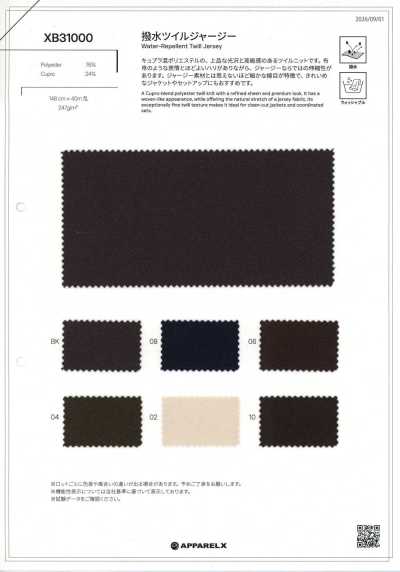
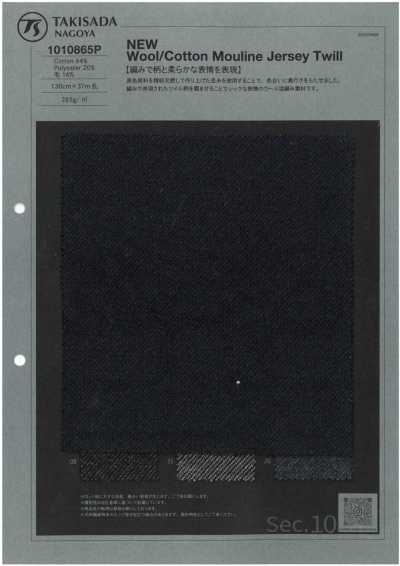
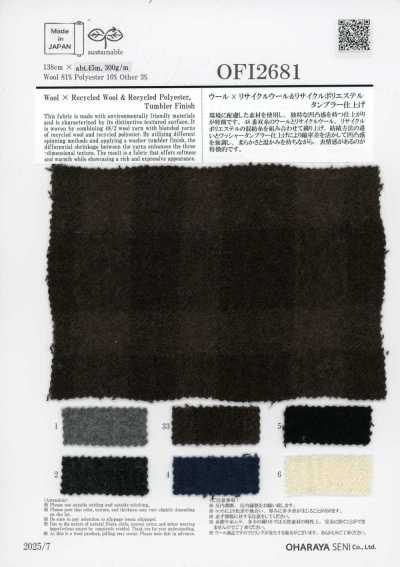
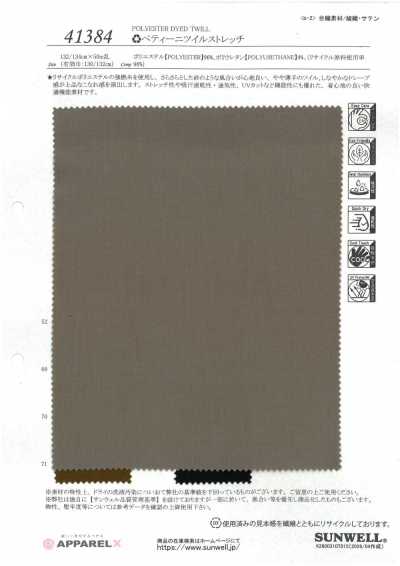
Knit Twill
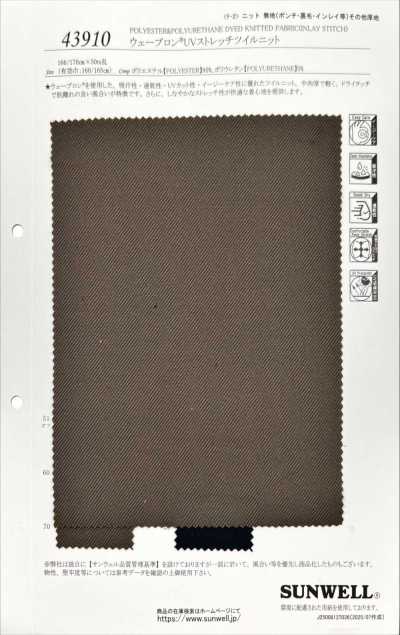
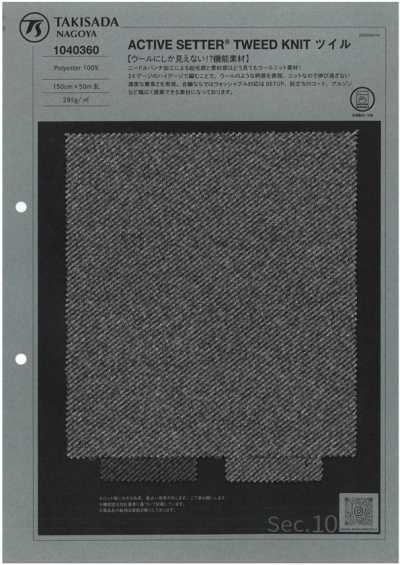
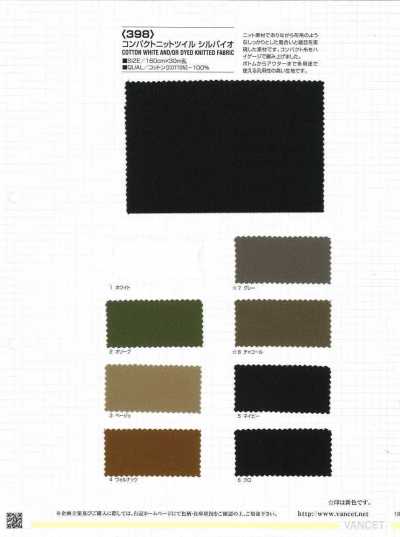
Knit twill is a general term for knit fabric that combines the stretch of knitted material with diagonal ribs and surface texture similar to woven twill.
Contents6 sections
Definition and Overview
Knit twill refers to a fabric that is a knitted material yet shows diagonal lines and ridges similar to woven twill. It is not a name for a specific knit structure; it is used for fabrics that have a twill-like appearance through the knitting method, yarn usage, knitting machine, and finishing process.
Features
Because of the diagonal look on the surface, it tends to create more dimension than smooth knit fabrics such as jersey, and can produce a wide range of impressions from casual to polished. Depending on the type of yarn, stitch density, and whether it is brushed, the texture varies from crisp and light to thick and warm.
Since it is a knitted fabric, it generally has more stretch than woven twill and moves more easily with the body. However, the direction of stretch and elastic recovery vary greatly depending on the structure and whether polyurethane is blended in, so visual appearance alone is not enough; actual sample checking is necessary.
Main Applications
Its moderate texture from the diagonal ridges and the easy wearability unique to knits make it suitable for cut-and-sew tops, shirt jackets, cardigans, dresses, skirts, and easy pants. Depending on the thickness and firmness of the fabric, applications range from light garments to items for fall and winter.
It is suitable when you want both a neat appearance and stretch. On the other hand, thin, highly stretchable types may not hold the silhouette well, so when using it for jackets or pants, consider the specification including interfacing and lining as needed.
Selection and Handling Notes
When selecting, check the blend ratio, fabric weight, thickness, vertical and horizontal stretch, elastic recovery, and sheerness. Since the diagonal twill-like lines affect how the product looks, decide the grain direction and pattern direction before cutting, and confirm that the line direction does not look unnatural on the left and right body panels or pockets.
Knitted fabrics may change dimensions during washing or wear. In particular, fabrics containing natural fibers may show shrinkage, twisting, or distortion, so washing tests and sewing tests should be performed before mass production. Washing methods differ depending on the material and finish, so always follow the care instructions for each fabric.
In sewing, feed the fabric without pulling it and choose stitches and thread that can accommodate stretch. Even in straight sections, waviness or seam puckering may occur, so adjust the needle, thread tension, presser foot pressure, and differential feed through test sewing.
Differences from Similar Terms
Twill refers to a woven twill made by crossing warp and weft yarns, or to the fabric itself. Knit twill, by contrast, is a knitted fabric, and the main difference is that it has a diagonal appearance similar to twill. Woven twill generally tends to be more dimensionally stable, while knit twill tends to offer more stretch.
Knit denim is also a material that expresses a denim-like look with knitted fabric, but it is a term that emphasizes indigo-like color and denim-style appearance. Knit twill is not limited to any specific color or material; it is a name that focuses mainly on the diagonal, twill-like surface texture.
Frequently Asked Questions
Is knit twill the same as woven twill?
No. Twill basically refers to woven twill, whereas knit twill is a knitted fabric with a twill-like diagonal appearance. Because the structures are different, stretch, edge curling, dimensional stability, and handling during sewing are also different.
Does knit twill shrink when washed?
What should be considered when sewing knit twill?
Pay attention to seam waviness, seam puckering, and the appearance of the diagonal lines caused by the fabric's stretch. Choose needles for knits and thread and stitches that can handle stretch, and adjust differential feed and other settings. It is important to perform test sewing, including the cutting direction, before full production.