Kumejima Tsumugi
Kumejima Tsumugi is a silk textile passed down on Kumejima in Okinawa Prefecture, made mainly with hand-spun silk yarn from raw silk floss and given expression through plant dyes, mud dyeing, and kasuri.


Contents6 sections
Definition and Place of Origin
Kumejima Tsumugi is a tsumugi textile produced on Kumejima in Okinawa Prefecture. Tsumugi generally refers to a woven fabric made using slubby silk yarn spun by hand from raw silk floss. In Kumejima Tsumugi, the handcrafting of yarn, dyeing, and weaving processes are deeply connected to the character of the fabric.
Because place names may also be used simply as an image of pattern or texture, when purchasing it is important to confirm that the textile was made on Kumejima, along with the material, production method, and whether a certificate is included. When listing the place of origin on specifications or hangtags, it is necessary to follow the labeling conditions indicated by the supplier.
Technique and Texture
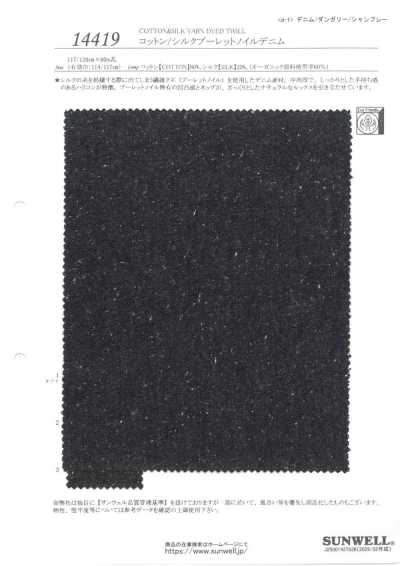
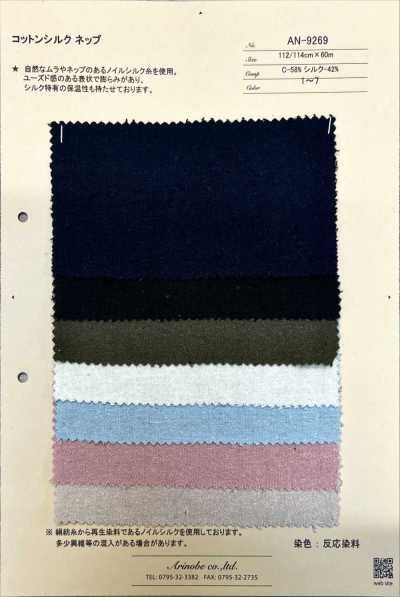
Because yarn derived from raw silk floss is not uniform, the finished fabric shows natural slubs and a soft fullness. In addition, the deep tones created by plant dyeing and mud dyeing, together with the fine pattern expression of kasuri, are characteristic features of Kumejima Tsumugi.
Kasuri is a technique in which part of the warp or weft is tied and dyed before weaving, then the pattern is aligned during weaving. The outlines of the motif may show slight irregularity unique to handwork, and this is treated as an expression different from a uniform printed pattern.
- Slubby texture and soft feel from raw silk yarn
- Calm tones created by plant dyeing and mud dyeing
- Woven patterns centered on kasuri
- Differences in expression from piece to piece due to the handweaving process
Typical Fabric and Uses
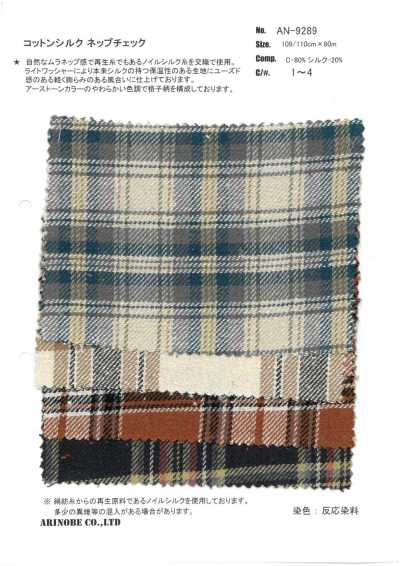
Kumejima Tsumugi is mainly handled as kimono length fabric, that is, as a bolt for kimono. Based on plain weave, there are designs expressed in solid-like effects, stripes, checks, and kasuri. Since the width and length of the fabric may differ from apparel fabric, it is important to confirm the material usage plan first when adapting it for clothing production.
When used for apparel or accessories, designs that make use of the woven pattern and material feel can be considered, such as jackets, vests, skirts, or partial use in bags. However, the appearance changes depending on the pattern placement on each bolt, the state of the selvage, and the cutting direction, so pattern layout and sewing specifications should be tested with prototypes.
Checks at the Time of Purchase
Kumejima Tsumugi may take time to produce depending on the process and design. Do not assume the same continuous supply as standard fabrics for mass production; confirm required quantity, whether it can be sold by bolt, whether additional ordering is possible, and delivery time at an early stage. Since the impression of colors and kasuri patterns may vary between lots, physical sample checking is also important.
Ask the supplier to confirm the basis for the origin labeling, the blend ratio, the effective width and length of the bolt, the type and direction of the pattern, whether use including the selvage is possible, and the recommended washing and maintenance method. Before cutting, also confirm whether wetting is allowed and the shrinkage tendency, and check sewability and dimensional change with test pieces.
- Basis for displaying the place of origin and whether a certificate is included
- Material blend ratio, bolt width, effective width, and length
- Pattern placement, direction, and differences between bolts
- Minimum order quantity, whether additional production is possible, and delivery time
- Wetting, shrinkage rate, and recommended care method
Differences from Similar Terms
Tsumugi is often used as a general term for woven fabrics made with raw silk yarn and similar materials, while Kumejima Tsumugi is a place-of-origin textile with the technique and production background of Kumejima. Therefore, the fabric classification of tsumugi and the name Kumejima Tsumugi with a place name are not the same in meaning.
Oshima Tsumugi and Yuki Tsumugi are also representative place-of-origin names for tsumugi, but the yarn used, dyeing, kasuri making, and weaving processes differ for each. A similar name does not necessarily mean it can be substituted, so in planning, select it by comparing not only the place of origin but also the fabric sample and specifications.
Frequently Asked Questions
Can Kumejima Tsumugi be made from materials other than silk?
Kumejima Tsumugi is handled as a silk textile, and the key point is that it mainly uses silk yarn spun from raw silk floss. However, the type of yarn, blend ratio, and processing content may differ for each bolt. When purchasing, do not judge by the name alone; check the blend ratio label and product specifications.
What should be noted when using Kumejima Tsumugi for clothing?
Because kimono fabric bolts may be narrower than apparel fabric, pattern placement and required bolt count should be considered in advance. Kasuri patterns can look different depending on the cutting position, and there may also be differences in color and pattern from bolt to bolt. Check the grain, pattern direction, and pattern continuity within the seam allowance on the actual material before cutting.
Can the place name Kumejima Tsumugi be displayed freely?
When using the place name in a product name, care tag, or sales page, it is necessary to confirm the origin information and labeling conditions indicated by the supplier. A Kumejima-style pattern or color is different from Kumejima Tsumugi actually made on Kumejima. Please use the wording only after confirming supporting documents and whether a certificate is included.