Leather Patch
A leather patch is a leather accessory label that is sewn on, mainly to the back waist of jeans, and displays the brand name, size, and similar information.
Contents6 sections
Definition and Overview
A leather patch is an accessory made by cutting leather into a prescribed shape and expressing logos, sizes, product numbers, and similar information by engraving or printing. The standard use is to attach it to the back waist of jeans, but it is also used for branding and information display on jackets, bags, and similar items.
The color, firmness, and aging characteristics vary depending on the type of leather, tanning, thickness, and surface finish. Rather than being part of the main product material, it is a secondary accessory that serves both brand expression and information display, so the specifications are decided from the planning stage.
Position in the Product Process
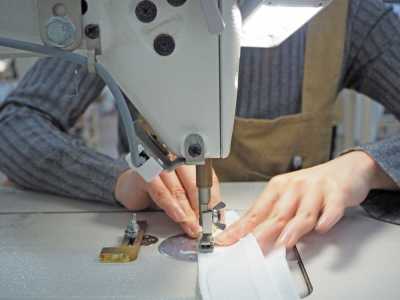
In general, the shape, display content, processing method, and sewing position are decided during planning, and the patch is produced based on artwork or submission data. After that, it is sewn onto the body fabric at the sewing factory, or attached after processing such as product washing.
For denim products, the color and firmness of the leather may change depending on washing and dyeing processes. For that reason, it is important to coordinate in advance with the production partner, taking into account the processing details of the main product and the desired appearance, when deciding when to attach the patch.
- Check compatibility with the main fabric, washing process, and sewing specifications during planning.
- Check both the patch by itself and the state after it has been sewn onto the product during prototyping.
- Approve the attachment position, stitching, and post-processing appearance before mass production.
Points to Confirm When Ordering
When ordering, make the finished dimensions, corner shape, thickness, color, surface texture, and logo expression method clear. Engraving is a process that creates raised and recessed effects in the leather, and the appearance changes depending on the fineness of the letters and the texture of the leather, so confirmation with a physical sample is necessary.
As sewing specifications, also specify the edge to be sewn, stitch color, stitch count, and whether or not corner reinforcement is included. Hard or thick leather can make needle holes stand out easily, and resewing may be difficult, so conduct advance testing including the sewing conditions.
- Type of leather and tanning method
- Finished dimensions, thickness, color, and surface finish
- Display method such as engraving, foil stamping, or printing
- Sewing position, seam allowance, and stitch specifications
- Acceptable range for color and texture in the mass-production lot
Quality and Handling Precautions
Because natural leather has differences by part and by individual piece, wrinkles, veins, uneven color, and small scratches may be seen. It is important in practice to decide at the time of sample approval whether to treat these as part of the material's character or exclude them under inspection standards.
Washing, friction, drying, and heat may cause the leather to shrink, harden, discolor, or transfer color. In particular, when combining it with dark denim, check for color transfer after product washing and for fading of the patch itself, and make sure it is consistent with the care label.
Differences from Similar Terms
A paper patch is a patch made of paper, and its material differs from a leather patch, which is intended to create the look and feel of aged leather over time. A rubber patch is an accessory that expresses a raised logo using synthetic rubber or similar material, and it is generally used to suit flexibility and water resistance.
Woven labels and printed labels are display accessories that mainly express text and patterns on textile materials. A leather patch can make the texture of the leather itself a design element, but it must be specified with consideration for thickness and suitability for washing processes.
Frequently Asked Questions
Should a leather patch be attached before or after product washing?
It depends on the product's processing details and the desired finish. Attaching it before washing makes it easier to achieve a look that changes together with the main product, while attaching it after washing reduces the impact of processing on the patch. The decision is made after confirming color transfer, shrinkage, and hardening in prototypes.
Can fine text be expressed in a leather patch engraving?
The level of detail that can be expressed depends on the type of leather, surface irregularities, thickness, and engraving method. Fine lines and small text may become hard to see, so do not judge only from the submission data; check legibility with a physical sample made under the same conditions as mass production.
Are scratches and uneven color in natural leather defects?
Natural leather may have wrinkles, veins, and uneven color depending on the part and the individual piece. Whether to accept these as material characteristics or treat them as defects depends on the product intent and standards. Clarify the acceptable range with the approved sample and reflect it in the inspection criteria.