


Matelassé
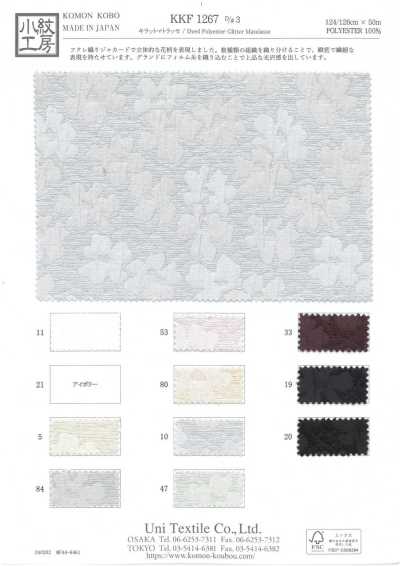
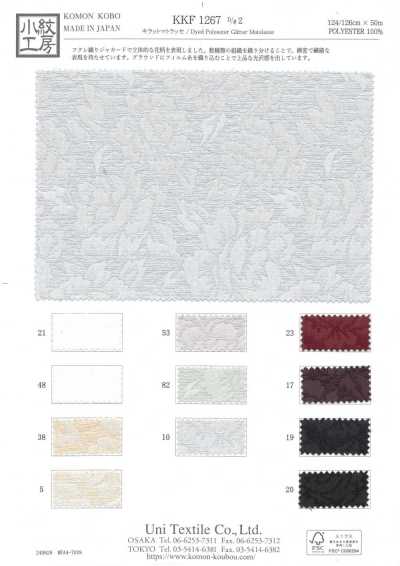
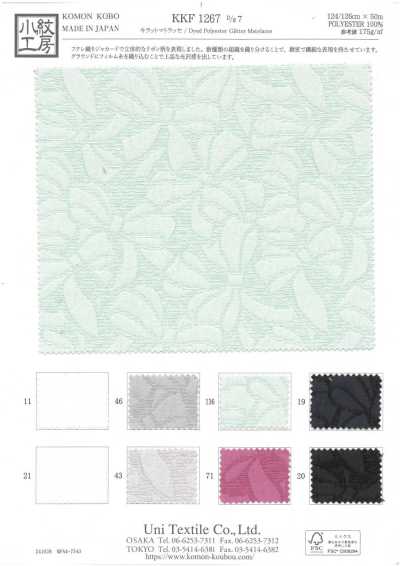
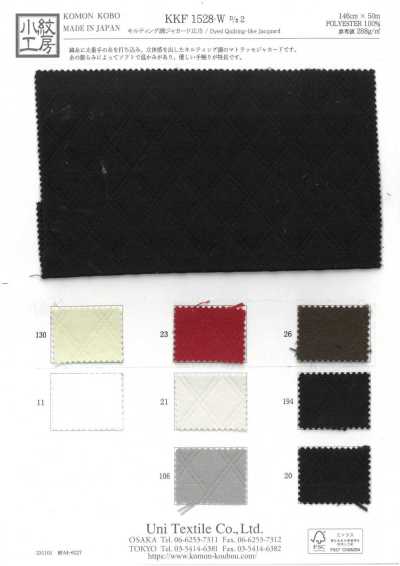
Matelassé is a woven fabric with a quilted-like texture that expresses a raised three-dimensional pattern on the surface through weave structure and differences in yarn shrinkage.
Contents6 sections
Definition and Overview
Matelassé is a French word meaning “stuffed” or “quilted.” Using multiple structures or yarns with different properties, it creates a pattern with puffiness and irregularity on the surface, like it has batting inside, through differences in partial shrinkage and similar effects.
It is not the name of a material, but a term for a weaving method or fabric appearance that creates a three-dimensional look. Depending on the fibers, structure, and finishing method used, such as cotton, polyester, and rayon, thickness, firmness, luster, and stretch vary.
Texture and Function
The surface irregularity catches light and creates shade, giving it a highly decorative look even when solid. Because it has volume, it tends to hold air better than flat fabric, and depending on the material and thickness, it can provide moderate warmth.
Patterns include floral, geometric, and check patterns, and some have different appearances on the face and reverse sides. On the other hand, the degree of irregularity, thickness, and drape varies greatly by type, so it is important to check the face and reverse, sheerness, firmness, and ease of handling during cutting with a sample.
Main Uses and Seasons
Its three-dimensional look and moderate volume make it suitable for jackets, coats, skirts, dresses, and vests. It is also suitable for interior uses that show texture, such as cushion covers and bedding items.
In general, it is often used for fall and winter wear or transitional clothing, but thin and lightweight types are also used for spring and summer blouses and dresses. Applications are judged not only by thickness, but also by blend ratio, fabric weight, hand feel, and washability.
Selection and Handling Notes
When selecting it, compare the pattern size with the product pattern. With large patterns, the appearance changes depending on the cutting position, so consider pattern matching for the left and right body panels and pockets, and allow extra fabric length.
For types that create a three-dimensional look by using yarns with different shrinkage, dimensions and the irregular texture may change with washing, heat, or moisture. Before mass production, perform wetting and washing tests to check shrinkage and appearance changes, and set appropriate care instructions.
In sewing, the irregular surface can make the fabric difficult to stabilize, and shifting during sewing or presser marks may appear. If necessary, adjust feed, and confirm the needle, thread, and stitch conditions with a test seam. Use a pressing cloth for ironing and avoid pressing too hard.
Differences from Similar Terms
Quilting is a process or fabric made by layering face fabric, batting, and lining and sewing them together to create a stitched pattern. Matelassé mainly expresses volume through weaving, so it does not necessarily use batting or quilting stitches.
Fukure weave is also a woven fabric that creates partial puffiness through the structure or differences in yarn shrinkage. The two terms are sometimes used in similar ways, but Matelassé is especially used as a name for fabric with a soft, quilt-like three-dimensional feel.
FAQ
Are Matelassé and quilting the same?
No, they are not the same. Quilting creates a stitched pattern by sewing multiple layers together with batting, while Matelassé mainly expresses puffiness through the woven structure or differences in yarn shrinkage. However, because they look similar, they are sometimes confused in product descriptions.
Can Matelassé be washed at home?
Whether it can be washed depends on the material, structure, dyeing, and finishing, so follow the care label on the fabric or product. Even for washable types, it is important to perform a pre-production wash test during planning and production to confirm shrinkage and changes in the irregular texture.





