Matsusaka Cotton
Matsusaka Cotton is a cotton textile produced in the area around Matsusaka City, Mie Prefecture, and is a fabric used for kimono, apparel, and fashion accessories, typically featuring stripes made with yarn-dyed yarn.
Contents6 sections
Definition and Production Area
Matsusaka Cotton is a cotton textile that has been passed down around Matsusaka City, Mie Prefecture. In the Edo period, cotton woven in the Ise region was widely distributed and came to be known by the name Matsusaka. Today as well, it is treated as a textile that makes use of local techniques and design.
It is a textile name tied to its production area rather than a material name. Therefore, even fabric called Matsusaka Cotton can vary in texture and applications depending on yarn thickness, weave density, pattern, and finish.
Typical Fabrics and Techniques
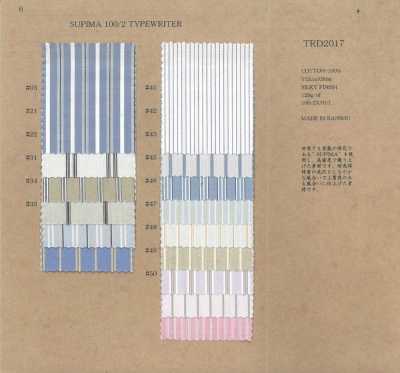
The most typical is a yarn dyed textile with fine stripes based on indigo tones. Yarn dyed refers to a method in which the yarn is dyed before weaving, then the pattern is formed, creating stripe expression through the colors and arrangement of the warp and weft yarns.
Many fabrics are based on plain weave, and they are characterized by a relatively light and rustic feel. On the other hand, since the yarn usage, structure, and finish differ by product, thickness and firmness cannot be judged from the name Matsusaka Cotton alone.
- Stripe direction and pattern pitch
- How the colors appear through yarn dyed yarn
- Fabric width, fabric weight, density
- Shrinkage and changes in texture after washing
Main Applications
Traditionally, it has been used for kimono and haori, and other Japanese-style garments. Today, its stripe patterns and yarn dyed expression are also used for shirts, blouses, dresses, outerwear, bags, and interior accessories.
When used for clothing, the stripe direction and pattern matching should be checked at the planning stage. Even with fine stripes, the appearance changes at seam locations such as the front placket, pockets, and yokes, so this affects cutting layout and fabric requirements.
Points to Check When Purchasing
When purchasing, confirm whether the name Matsusaka Cotton indicates fabric woven in the production area, or a design derived from the production area, based on the supplier's specification sheet and labeling basis. The blended fiber ratio, weaving location, and dyeing and finishing process location should also be confirmed individually according to the required labeling.
For traditional yarn dyed fabrics, the feasibility of continuous production and the reproducibility of color and pattern may differ by product number. Before mass production, it is important to confirm the minimum lot, roll length, lead time for additional orders, color and pattern differences between lots, and whether a sample roll is available.
- Basis for the production area label and the content of the care tag
- Fabric width, fabric weight, roll length, and selvedge specification
- Minimum lot and conditions for additional orders
- Lead time, whether it is in-stock fabric or made to order
- Shrinkage rate and colorfastness after washing tests
Differences from Similar Terms
Matsusaka Cotton is the name of a textile that includes a production area name, and it is categorized differently from weave structure names such as plain weave, fiber names such as cotton, or pattern names such as stripe. Matsusaka Cotton often features plain weave and stripes, but it is not synonymous with them.
Banshu weave, Chita cotton, and Mikawa cotton are also production area names related to cotton textiles. However, the materials, weave structures, dyeing methods, and fabrics favored in each production area are not uniform. Do not replace specifications based only on the production area name; compare them using individual fabric specifications.
Frequently Asked Questions
Is all Matsusaka Cotton indigo dyed?
Matsusaka Cotton has the typical image of stripes in indigo tones, but the name alone does not limit the dye or color. For each fabric, check whether it is yarn dyed or piece dyed, the type of dye, color combination, and colorfastness against washing and friction.
What quality items should be checked in advance when using Matsusaka Cotton for clothing?
Check the blended fiber ratio, fabric width, fabric weight, shrinkage rate, washing colorfastness, and friction colorfastness as a cotton textile. In addition, for striped patterns, confirm the pattern direction, pattern pitch, and fabric requirements needed for pattern matching, and before mass production confirm dimensional changes after sewing under actual washing conditions.
What is the difference between Matsusaka Cotton and striped fabric?
Matsusaka Cotton is the name of a production-area textile tied to the Matsusaka City area of Mie Prefecture. Stripe is a general term indicating a pattern such as vertical or horizontal stripes, and does not define the material, production area, or weaving method. Matsusaka Cotton often features stripes, but the two terms are not the same category.